JIN AIR’s Twice-Yearly Sale: Seoul from 15,000 Yen One Way, Free Checked Baggage
AuthorMIRUTOBE editors
Table of Contents2 items
- Airline
- JIN AIR — “JIN MARKET”, the sale it runs twice a year
- Routes
- Thirteen routes from Japan to Seoul (Incheon) and Busan
- Sale period
- 2026-07-13 – 2026-07-16
- Travel period
- 2026-07-13 – 2027-03-27 (some dates excluded on certain routes)
- Included
- Checked baggage up to 15 kg, at the sale fare as well
- Deadline
- 2026-07-16, 23:59 Japan time
- Checked on
- 2026-09-14
JIN AIR held JIN MARKET, its twice-yearly sale, from 14:00 on 13 July 2026 to 23:59 on 16 July. Thirteen routes from Japan to Seoul (Incheon) and Busan were covered, with Kitakyushu to Incheon at JPY 15,850 one way, taxes and surcharge included.
Kitakyushu to Incheon at JPY 15,850, with 15 kg of baggage inside the fare
Lowest one-way fares including the fuel surcharge and airport taxes. They move with seat availability and the exchange rate. Because the quotes are all-in, Japan’s international tourist tax — JPY 3,000 on tickets issued from 1 July 2026 — sits inside these figures rather than appearing at the end.
These numbers read differently from the rest of the Korean market. Most LCC sales on this route quote the fare with taxes and the surcharge stripped out, and you only learn the total on the last screen of the booking flow. JIN AIR published all-in figures here, which means the column above can be compared straight across without doing arithmetic first.
The baggage allowance moves the total more than the fare column does. On the cheapest Korean-route fares a checked bag is a paid extra costing a few thousand yen each way; this sale put 15 kg inside the ticket, which quietly removes somewhere between a few thousand and ten thousand yen from a return trip. Anyone flying home with shopping, or carrying winter clothes out, gains more from that line than from the difference between two airports in the table.
Booking was possible only on the airline’s own website and app. Seat counts were limited, and weekends, public holidays and the days on either side of a long weekend went first, leaving Tuesday to Thursday departures as the ones still open later in the sale. Promotional fares like these either carry a heavy change fee or forbid changes outright, so buying before the dates are settled is the expensive way to use them.
When does the next airfare sale come? Six weeks of records and what is bookable now →
Same destination, JPY 6,600 between the cheapest and dearest departure airport
For Incheon the floor ran from JPY 15,850 at Kitakyushu to JPY 22,450 at New Chitose, a spread of JPY 6,600. Kyushu and Shikoku sat at the bottom — Kitakyushu JPY 15,850, Takamatsu JPY 16,590, Fukuoka JPY 17,830 — with Okinawa at JPY 18,030 and Chubu at JPY 19,500 behind them, and Narita at JPY 21,460 and New Chitose at JPY 22,450 on top. It is not a clean ranking by distance: Okinawa is considerably further from Seoul than Fukuoka and cost only JPY 200 more.
Busan reorders the list. Chubu was cheapest at JPY 19,000, then New Chitose at JPY 19,450, Kansai at JPY 19,430 and Narita at JPY 20,960. Since Incheon out of New Chitose was JPY 22,450 against Busan’s JPY 19,450, anyone entering Korea from Sapporo saved JPY 3,000 by landing in the south instead. Travelling to Kitakyushu or Takamatsu from Tokyo to catch the cheap fare makes no sense once the domestic leg is counted, but for anyone already living in Kyushu or Shikoku this was the lowest the route went all year.
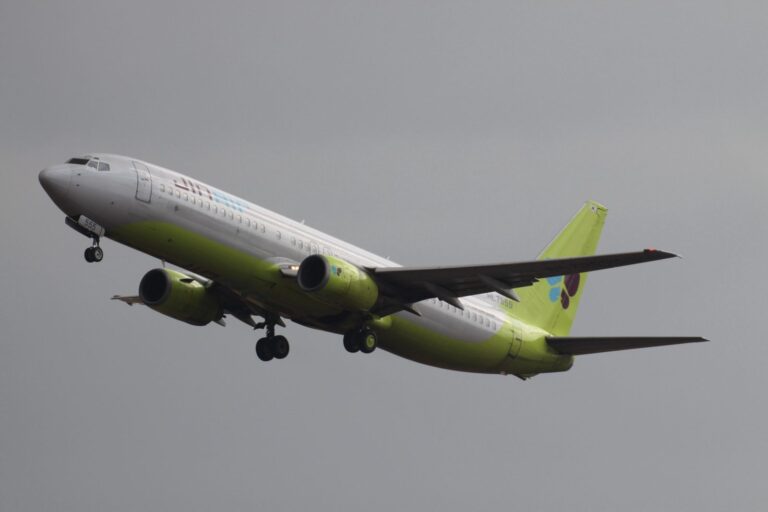
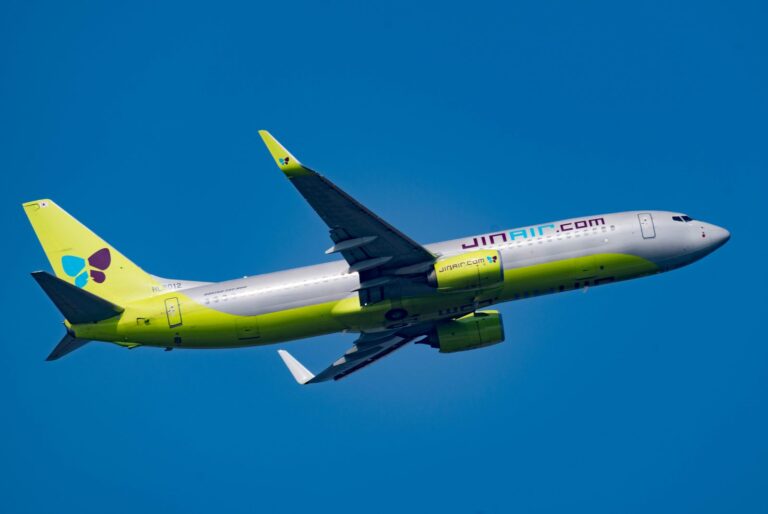
Source: JIN AIR official website (announcement as at 15 July 2026) / Photo: Aeroprints.com, CC BY-SA 3.0 (Wikimedia Commons) / Checked on 2026-09-14
Other sales ending soon
 4 days leftuntil Oct 24Air Busan Takamatsu-Busan Coupon: Up to 9,000 Yen Off Until October 24
 5 days leftuntil Oct 25JAL Hong Kong Campaign: Tokyo–Hong Kong Round Trip from 75,800 Yen (until 25 Oct)
 11 days leftuntil Oct 31Jin Air Kobe–Seoul: 5,000 yen off a round trip with code KTOUKB1, until 31 October
 11 days leftuntil Oct 31Jin Air to Busan: 4,000 yen off a round trip with code KTOPUS, first 300 only