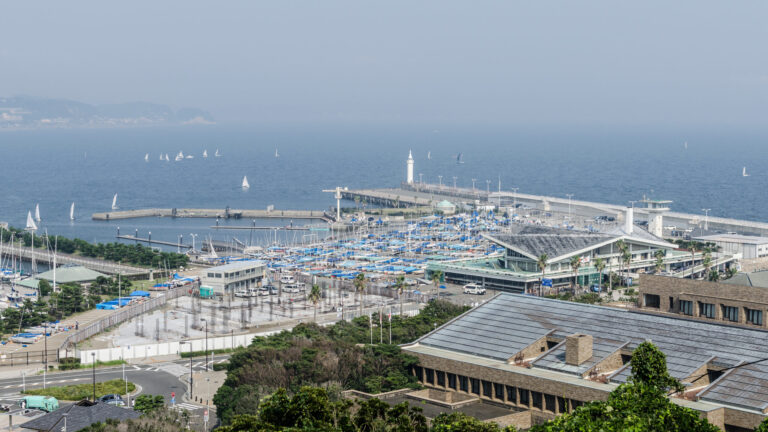
A 72-Hour Digital Detox on the Shonan Coast
AuthorMIRUTOBE editors
Table of Contents6 items
Whether three days without a phone works on the Shonan coast, an hour south-west of Tokyo, comes down to one thing: whether the tickets have gone digital-only. They have not.
The Enoden one-day pass, Noriorikun, is JPY 800 for an adult and sits in the machine at every station on the line. Odakyu’s Enoshima-Kamakura Freepass is JPY 1,640 from Shinjuku, sold at machines and ticket windows. The Shonan Monorail still issues a magnetic one-day ticket at JPY 750. There is exactly one hole paper cannot plug, and it is the aquarium on a reservation-only day.
Check first: will three days run on paper and cash
- Every ticket you need can be bought as paper at a station machine or window
- You are carrying cash for those machines (the Shonan Monorail’s do not take credit cards)
- None of the places you want to enter falls on a day with compulsory online booking
- Nothing you plan to pay for depends on QR-code payment
- The hotel’s phone number and your return train time are written on paper
With those five in place the phone can stay off without the travel falling apart. The second is the one that usually fails. The Shonan Monorail’s machines take cash only, and the magnetic ticket is issued for the day of purchase alone. The only version you can buy ahead with a card is the QR one, so the moment you decide to sort it out the night before, you are back on a screen.
Decide what fills the time, too. The Ministry of Internal Affairs and Communications’ media use survey for fiscal 2025 put average internet use across all ages at 183.9 minutes on a weekday and 192.9 minutes at the weekend. That is roughly three hours of the day about to come free at once, and leaving without a plan for it is how a hand finds its way back into a pocket.
Five steps to clear before you leave
An unregistered Suica card can be bought at JR East’s multifunction machines, Midori no Madoguchi counters and assisted reserved-seat machines, in six denominations from JPY 1,000 to JPY 10,000, of which JPY 500 is the deposit. Ordinary reserved-seat machines do not sell them. Give up the phone at the gate and carry one card instead, and both the Enoden and the monorail let you straight through.
The full picture: what can still be bought as paper
Fares and admissions from the operators’ and venues’ own pages, checked 14 September 2026.
Whether the Noriorikun is worth buying depends on how often you get off. The whole Enoden line, Fujisawa to Kamakura, is JPY 310 for an adult, and the minimum fare is JPY 200. Ride Fujisawa to Kamakura and back and you have spent JPY 620, which makes the one-day pass JPY 180 more than doing nothing. It starts paying from the third ride, once Hase or Enoshima go in between. On a plan like the eight standard Kamakura stops by Enoden, where you get off at almost every station, the pass is not a close call.
The three attractions on Enoshima work the same way. The Escar is JPY 500 and the Sea Candle JPY 800, while the Cocking Garden is free between 9am and 5pm, so a daytime visit bought piece by piece is JPY 1,300 — JPY 200 more than the JPY 1,100 set. Add an evening entry and the night ticket is JPY 1,550.
Where people trip up
The monorail day ticket cannot be bought the night before
JPY 750 for an adult and JPY 380 for a child, after the fare revision of 14 March 2026 took them up from JPY 610 and JPY 310, so JPY 140 more than before. The paper magnetic ticket is sold at every station machine and at the season-ticket window at Ofuna, but only for the same day, and the machines take nothing but cash. What can be secured in advance is the QR version.
The full line from Ofuna to Shonan-Enoshima is JPY 340 for an adult against a JPY 220 minimum fare, so for one journey in one direction the day ticket is pointless. It only earns its place from the third ride — out to Enoshima, back to Ofuna, with a stop around Shonan-Fukasawa in between.
A compulsory booking window wrecks the day it lands on
On its busiest dates the Enoshima Aquarium restricts 10am to 3pm to visitors who have booked online. Advance tickets and complimentary passes are covered by the same rule, so queueing at the window will not get you in. In September 2026 that applied to the three days from the 20th to the 22nd, when the hours also shifted to an 8am opening and a 7pm close, with last entry at 6pm.
If the aquarium has to be in a screen-free three days, I would go early and steer clear of that window. Up to 19 September the hours were 9am to 5pm with last entry at 4pm and no booking requirement at all. Where the dates cannot move, dropping the aquarium that day for the Iwaya Caves and the Sea Candle keeps the phone in the bag, which was the point.
The Cocking Garden changes price at 5pm
The Enoshima Samuel Cocking Garden is free from 9am to 5pm and charges JPY 500 for an adult and JPY 250 for a child after that. It is open from 9am to 8pm with last entry at 7.30pm. The Escar runs from 8.50am to 7.05pm, so being on top of the island past 7pm means walking down the steps.
Climb in the late afternoon, watch the sun go down, walk back. If you are moving without looking at a clock, the Escar’s last running time is the one thing worth writing on the paper.
What if you open the screen anyway
Building it so that one slip means starting over is how these things end early. Draw the line around places and objects rather than around hours. With the ticket in your hand as paper and the hotel’s number written down, looking at the phone once does not stop the next leg working. With the ticket living only inside an app, you open it at every gate, and the notifications arrive with it.
The same line decides the hotel. Check-in at a desk, a metal key, breakfast hours printed on a card, and the count of screen openings falls by itself. A smart lock whose code arrives by email costs you one before you have even put the bags down.
Designing the time off in the first place is covered in what five days of paid leave can be made to do, and what you get back from deliberately choosing the slower method is in the two-hour Thai roadside coffee. Consolidating payments onto a single card is dealt with in the travel credit card comparison.
Common questions: paper tickets, Suica, staying reachable
Is the Noriorikun better on paper or in the app?
The price is the same either way: JPY 800 for an adult, JPY 400 for a child. What differs is where you buy it and what you do at the gate. Paper comes from the machine at any Enoden station and gets shown to staff. The digital version runs through EMot’s online ticketing and app and works on a phone only, not on a PC or tablet. If the phone is staying shut, paper is the only version that exists for you.
Can you still buy an unregistered Suica?
Yes. JR East sells them at multifunction machines, Midori no Madoguchi counters and assisted reserved-seat machines, in six denominations from JPY 1,000 to JPY 10,000, JPY 500 of which is the deposit. Ordinary reserved-seat machines do not carry them, and nor do stations with only partial Suica support. They cannot be bought with a credit card other than a View card, so bring cash.
What if someone genuinely needs to reach you?
Decide who gets through rather than switching the handset off. On iPhone, Focus lets calls from named contacts ring; on Android, Bedtime mode takes exceptions. Stop the apps separately with Screen Time downtime or app timers, which is far easier to reverse than aeroplane mode. Write the hotel’s main number on paper and give it to the family, and nobody has to open anything.
- Enoshima Electric Railway — Noriorikun one-day pass (price, sales points, digital version) ↗Checked on 2026-09-14
- Odakyu — Enoshima-Kamakura Freepass (price from Shinjuku, sales points, free area) ↗Checked on 2026-09-14
- Shonan Monorail — tickets and fares (after the revision of 14 March 2026) ↗Checked on 2026-09-14
- Enoshima Sea Candle — prices (Escar, Cocking Garden, set ticket, payment methods) ↗Checked on 2026-09-14
- Enoshima Aquarium — basic information (admission, hours, online booking, payment) ↗Checked on 2026-09-14
- Ministry of Internal Affairs and Communications — survey on media use and information behaviour, FY2025 ↗Checked on 2026-09-14
Source: the reference block above / Checked on 2026-09-14 / Photos: DXR, CC BY-SA 3.0; Ted Barrera, CC BY-SA 2.0 (both Wikimedia Commons)
Other sales ending soon
 4 days leftuntil Oct 24Air Busan Takamatsu-Busan Coupon: Up to 9,000 Yen Off Until October 24
 5 days leftuntil Oct 25JAL Hong Kong Campaign: Tokyo–Hong Kong Round Trip from 75,800 Yen (until 25 Oct)
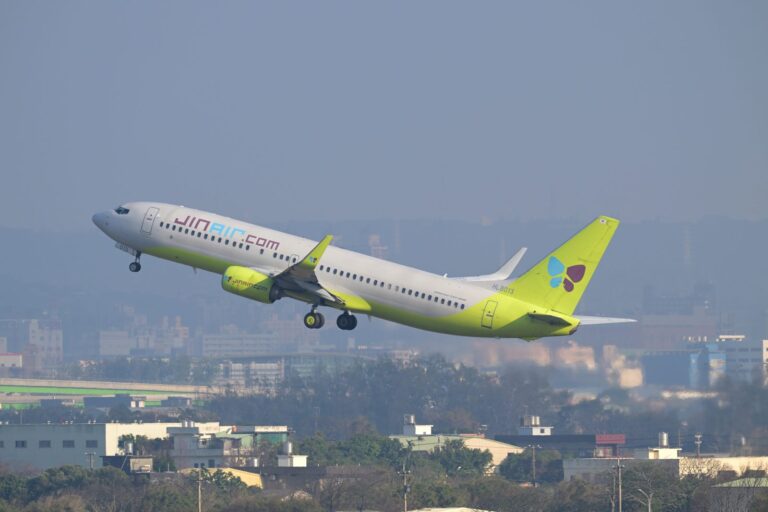 11 days leftuntil Oct 31Jin Air Kobe–Seoul: 5,000 yen off a round trip with code KTOUKB1, until 31 October
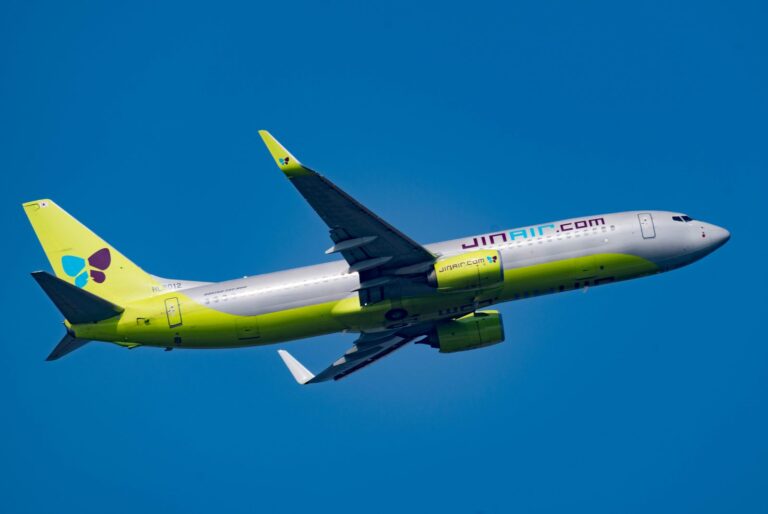 11 days leftuntil Oct 31Jin Air to Busan: 4,000 yen off a round trip with code KTOPUS, first 300 only