A Four-Day Guide to Okinawa’s Outlying Islands: Ishigaki, Taketomi and Iriomote
AuthorMIRUTOBE editors
Table of Contents9 items
- Itinerary
- DAY 1 Arrival day gets one destination, and that destination is Kabira Bay
- DAY 2 Cross to Iriomote at Ohara, not at Uehara
- DAY 3 Taketomi is ten minutes away, so you go with nothing in your hands
- DAY 4 The last day is the arcade and the airport, and nothing else
- Alternatives
- Why we left out Tamatorizaki and Uganzaki
- Where to stay
- What this trip costs
Three nights on Ishigaki with no hire car, and day trips out to Iriomote and Taketomi. One room the whole stay, so the luggage never moves and only the boats and buses have to line up. Fares and admissions for two: JPY 38,720.
Itinerary
DAY 1Arrival day gets one destination, and that destination is Kabira Bay
Why this order: the airport is 35 minutes from town by bus, and Kabira Bay is another 43 minutes beyond that. Put two places into the first afternoon and the bus eats both of them. One stop, then time to drop the bags.
Morning — buy the return ticket at the airport stop, not the single
Azuma Kotsu runs route 4, the airport line via Hirae, Ohama and Shiraho, from Ishigaki Airport to the Ishigaki Port Ferry Terminal in 35 minutes. A single is JPY 550. At the arrivals-side counter and on board the airport line they also sell a return ticket at JPY 1,000 for adults and JPY 500 for children, which is JPY 100 less than two singles. Route 10 covers the same ground in 40 minutes by way of the Art Hotel and the ANA InterContinental, and if your hotel is one of those stops it is the faster option, because you get to leave the luggage on the way past.
Anyone using buses on three or more days should look at the Michikusa Free Pass instead: three days on every route, JPY 2,000 for adults and JPY 1,000 for children, sold at the bus terminal window and on board. On this particular itinerary it works out level, because the airport return at JPY 1,000 plus the Kabira day pass at JPY 1,000 comes to the same figure. Add a day running up the north or east coast and the three-day pass pulls ahead.
What actually needs sorting before you board is payment. Azuma Kotsu takes cash or a contactless credit card, and nothing else — not Suica, not ICOCA, not PASMO, not Edy or WAON. The farebox gives no change either, so arriving with nothing but JPY 1,000 notes means queueing at the on-board changer. Break a note before you leave the arrivals hall and the next four days are easier. Where the national IC cards work and where they do not is set out in the guide to Suica, ICOCA and PASMO.
Afternoon — three ways to reach Kabira Bay, and what each one costs
Kabira Bay sits on the north-west coast, so getting there from town means crossing the island. Route 9, the Kabira Resort Line, runs from the bus terminal to Kabira Koen-mae in 43 minutes for JPY 770. Two singles make JPY 1,540, which is JPY 540 more than the one-day free pass at JPY 1,000. The pass runs for 24 hours from the moment you buy it, at the terminal window or on board any route.
For two the bus wins; from three up the car does. The catch with route 9 is frequency, roughly one an hour, so missing one costs you the next slot. Photograph the return times on the board at Kabira Koen-mae before you walk down to the water.
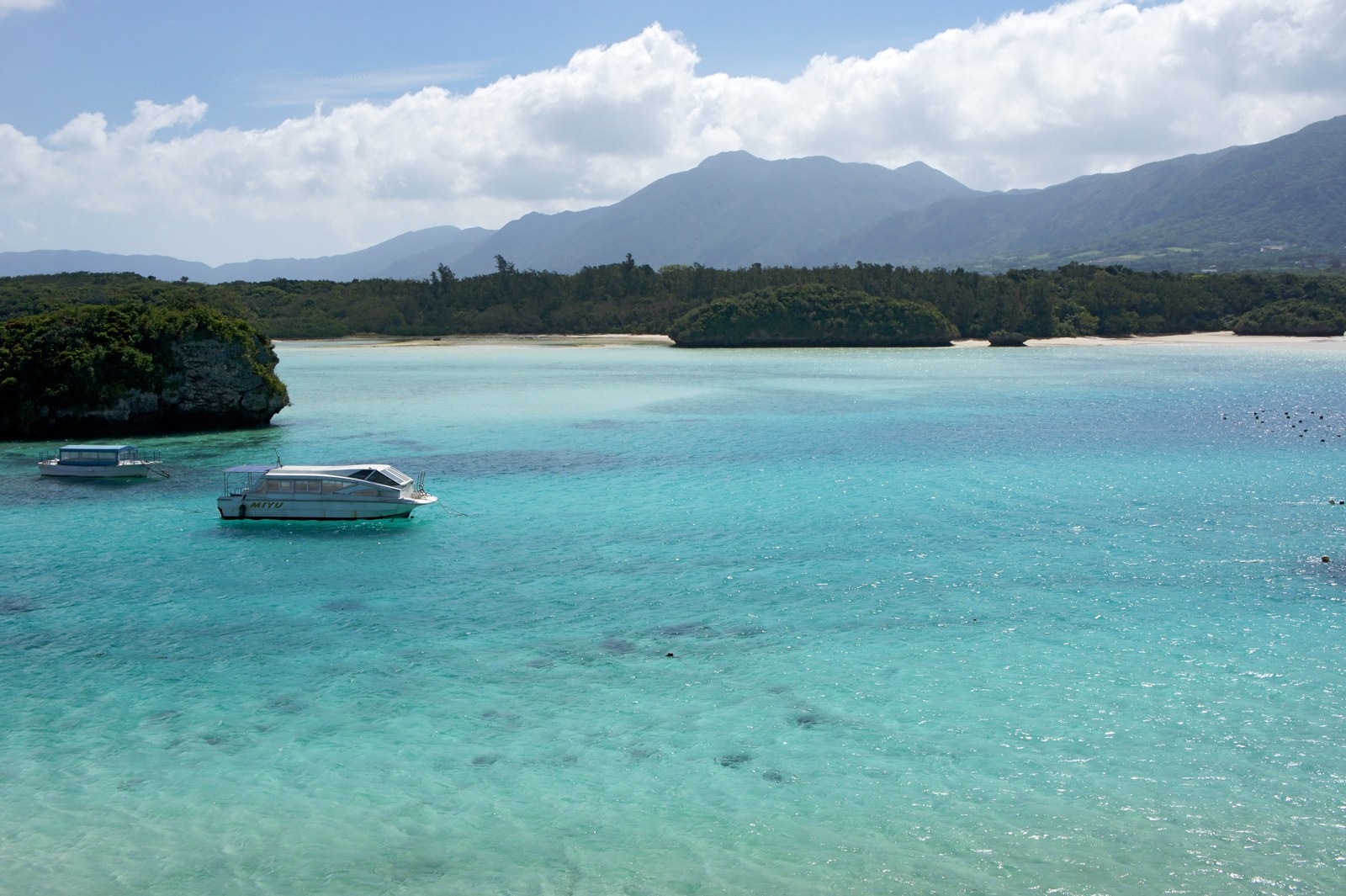
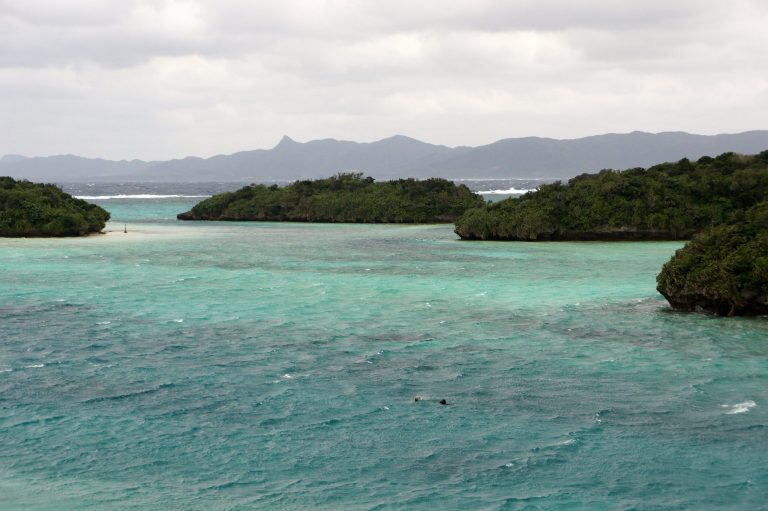
The currents through the bay are strong enough that swimming is prohibited, which leaves the glass-bottom boats as the only way to look at the coral. Kabira Marine Service charges JPY 2,300 for adults and JPY 1,200 for children aged 4 to 11, and the trip lasts about 30 minutes. The first boat is at 9:00, they leave every 15 minutes after that, and the last is at 17:00. One child of three or under travels free with each adult provided they do not take a seat.
Practical note: there is nothing to reserve. Walk onto the pier and take the next boat. Sailings are suspended in rough weather, so the forecast to watch is wind rather than rain. The viewpoint above the bay costs nothing, and the colour is visible from up there without getting on a boat at all — if the fare is the part you want to cut, this is a place where the free version still works.
- Fare
- Adult JPY 2,300 / child aged 4–11 JPY 1,200
- Sailings
- First 9:00, every 15 minutes, last 17:00
- Booking
- Not required (prepayment available on the official site)
- Closed
- Open year-round, subject to sea conditions
Evening — back in town, fix tomorrow’s boat
Once you are back in central Ishigaki, check the next day’s fast ferry at the window in the Euglena Ishigaki Port Ferry Terminal. Anei Kanko and Yaeyama Kanko Ferry both sail from the same building and the number of departures differs by destination. For Ohara on Iriomote you need an early one, or the 10:00 Nakama River cruise is gone.
Dinner is a bowl of Yaeyama soba at one of the town’s shokudo: straight noodles, a broth of pork bone and bonito, shredded pork and Yaeyama kamaboko on top. The local move is to change the flavour partway through with the pipatsu, the island pepper, that sits on the table — shake it all in at the start and there is no going back. The Ishigaki beef grill houses are in the same few streets, but eating there on night one moves the budget for everything that follows, so it is easier to keep them for the last evening.
DAY 2Cross to Iriomote at Ohara, not at Uehara
Why this order: Iriomote has two doors, Ohara and Uehara. The Uehara crossing runs through open sea and is the first to be cancelled in a north wind, with passengers transferred to a bus from Ohara instead. On a day trip you cannot absorb that, so land at Ohara and keep the whole day on the eastern side.
Morning — the Ohara crossing is JPY 160 cheaper bought as a return
Anei Kanko charges JPY 2,520 one way from Ishigaki Port to Ohara on Iriomote and JPY 4,880 return. Two singles come to JPY 5,040, so the return saves JPY 160. Uehara is JPY 3,290 one way and JPY 6,370 return, JPY 1,490 dearer. Both crossings take roughly 45 minutes.
The published fares include a fuel surcharge that is revised as fuel prices move, so the figure on the page is not fixed — look again shortly before you travel. One preschool child per adult rides free on a lap; ask for a seat and the child fare applies.
Holders of a disability certificate get about 50% off each crossing: JPY 1,720 one way and JPY 3,440 return to Ohara, JPY 670 and JPY 1,340 to Taketomi. A type 1 certificate extends the same discount to one carer. The fuel adjustment portion is outside the discount, and the certificate or a Mirairo ID is shown when you pay.
That JPY 1,490 gap is worth paying if you are going to the Urauchi River or the Pinaisara Falls, both of which are on the Uehara side. But a strong northerly in winter closes that crossing, and then you land at Ohara and ride an hour or more up the island by bus. A day trip cannot make that time back, which is why these four days stay at Ohara.
The boat runs upstream from Ohara through the largest mangrove forest in Japan. Adults pay JPY 3,000 and children JPY 1,500. There are three sailings a day, at 10:00, 11:25 and 15:00, boarding in front of the Shop Jugon at Ohara Port. The longer 80- to 90-minute course that continues up to the giant Sakishima suounoki tree (adult JPY 4,500) is suspended for the time being because the boardwalk is damaged.
Practical note: from 1 October 2026 the fare rises to JPY 3,500 for adults and JPY 1,750 for children, a JPY 1,000 difference for a pair depending on which side of that date you travel. No reservation is needed; the ticket desk is 30 seconds from the Ohara terminal building. Making the 10:00 sailing means taking the first boat of the day out of Ishigaki Port.
- Fare
- Adult JPY 3,000 / child JPY 1,500 (JPY 3,500 / JPY 1,750 from 1 October 2026)
- Departures
- 10:00, 11:25, 15:00
- Boarding
- Ohara Port, in front of Shop Jugon
- Booking
- Not required
Afternoon — on Yubu Island the buffalo cart is inside the admission
Back from the river, the route runs north up the east coast to Yubu Island. The water between Iriomote and Yubu is shallow enough that a water buffalo cart wades across it, which takes about 15 minutes. The carts are roofed, and the driver plays the sanshin on the way over.
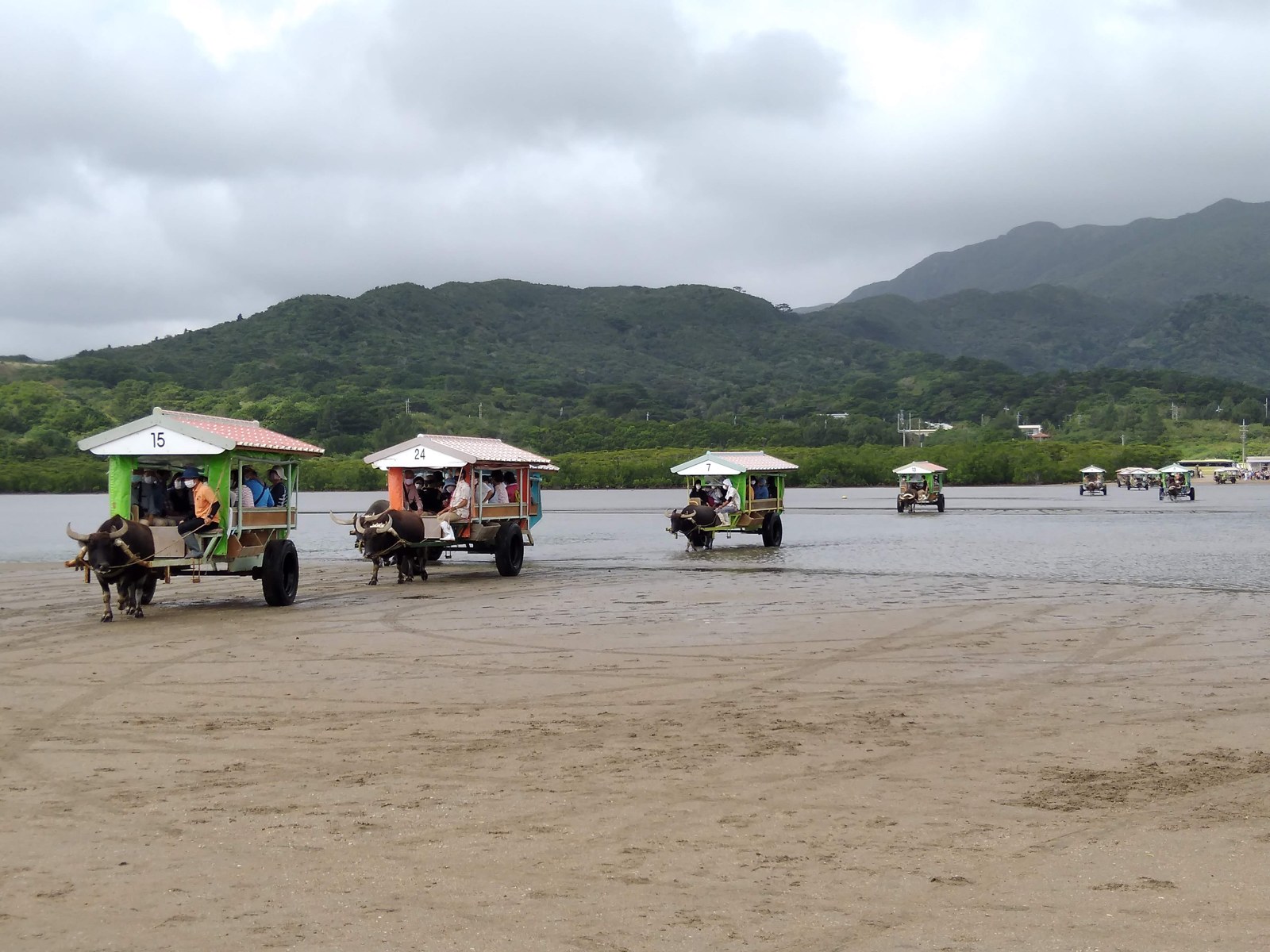
The island is the garden. Admission is JPY 2,000 for adults and junior high school pupils upwards, JPY 1,000 for primary pupils and free below that, and it covers the buffalo cart in both directions. Opening is 9:15 to 16:30 with last admission at 15:45. Bougainvillea and hibiscus flower all year, and a circuit taking in the butterfly garden and the buffalo pond runs to about an hour.
Practical note: tickets are sold on the Iriomote side at the Tabibito no Eki and have to be bought at least 10 minutes before the cart leaves. A high tide can delay the opening outright, so do not aim at the 15:45 cut-off. Once you are on the outbound cart the time you come back is yours to choose.
- Admission
- Adult JPY 2,000 / primary pupil JPY 1,000 (buffalo cart both ways included)
- Open
- 9:15–16:30 (last admission 15:45)
- Tickets
- Tabibito no Eki on the Iriomote side, up to 10 minutes before boarding
- Watch for
- Opening can be delayed by tide levels
Evening — take the second-to-last boat, not the last
Sailings from Ohara back to Ishigaki bunch up in the late afternoon. The real risk on this day is stretching the stay on Yubu and betting on the final departure. If it is cancelled you are spending the night on Iriomote, and the room and the meals are both unplanned spending. Decide in advance to leave on the second-to-last boat and a delayed return cart costs you nothing.
By the time you are back on Ishigaki the day has gone on boats, buses and a buffalo cart. Iriomote is not an island of attractions; the time spent moving between the river, the sea and the forest is the substance of it. Two places fitted into one day only because both sit near Ohara — reach for the Uehara side as well and a third item always falls off the end. The island covers 289 square kilometres against Ishigaki’s 222, about 30% more, and yet there is a single road, running along the coast from the east round to the north. Funauki in the south-west has no road connection at all. Two points that look close together on the map can mean going half way round the island.
DAY 3Taketomi is ten minutes away, so you go with nothing in your hands
Why this order: Taketomi is 10 to 15 minutes from Ishigaki Port, the lightest day trip of the three. The island is small enough to cover on foot and by bicycle, so the village and the buffalo cart go in the morning and the beaches take the afternoon. Reversed, you are walking the white sand lanes of the village in the hardest light of the day.
Morning — the buffalo cart costs JPY 600 more in peak months
Anei Kanko charges JPY 970 one way and JPY 1,880 return from Ishigaki Port to Taketomi, with children at JPY 510 and JPY 990. The crossing takes 10 to 15 minutes and this is the busiest route of the day, so the morning departure is not something you have to plan around.
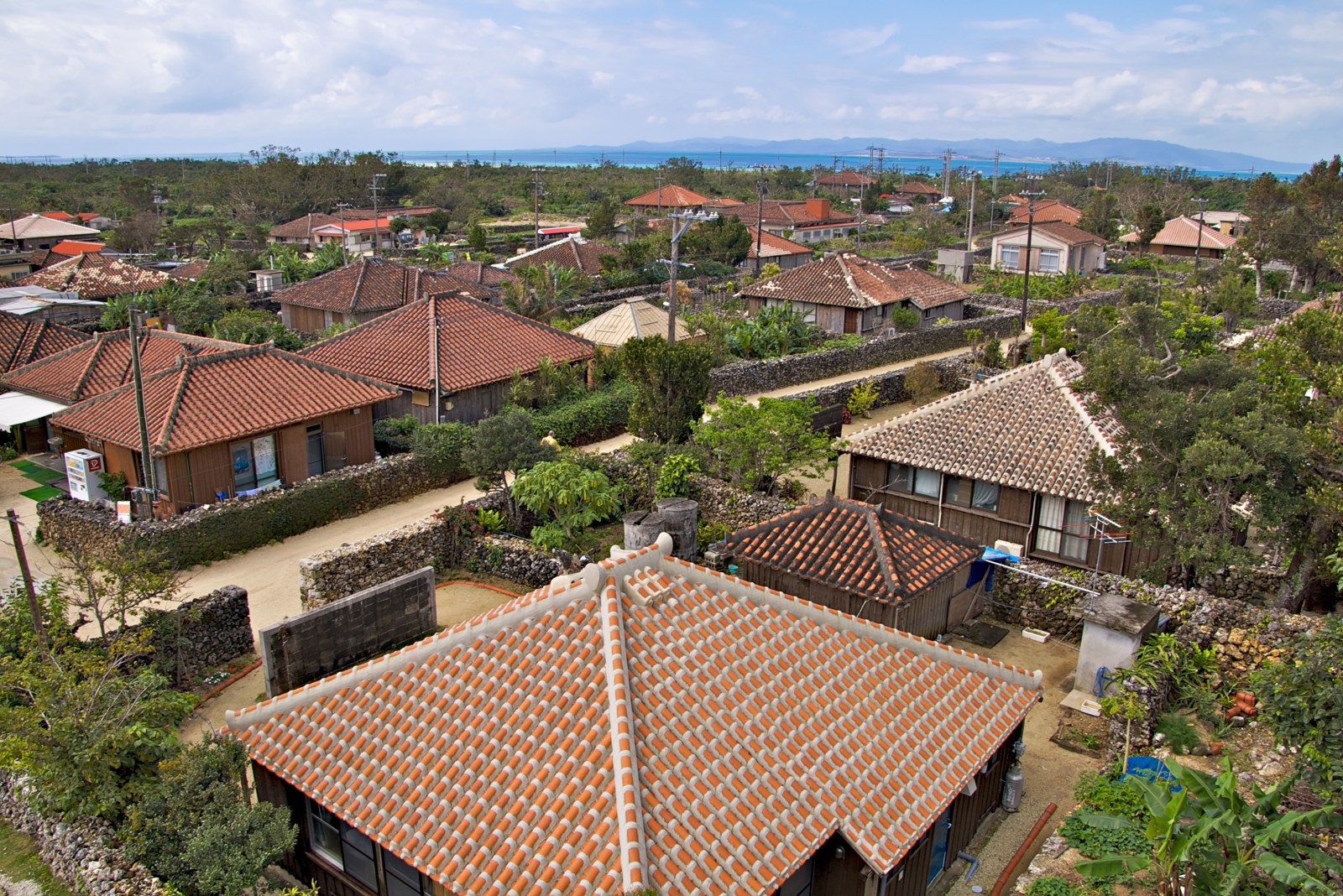
The cart works its way along the sand lanes while the driver narrates the village with a sanshin and folk songs. In normal season it is JPY 3,300 for adults and junior high pupils and JPY 2,200 for primary pupils. Over the New Year period, Golden Week, and through March, July and August, peak pricing applies and those become JPY 3,900 and JPY 2,900. These are the figures set at the revision of 1 April 2025. The first cart is at 9:00 and the last leaves at 15:30.
Practical note: they do not take reservations by phone. Either you buy a tour product through an agency or you queue at the counter on the day, and customers who booked in advance are boarded first, which means the counter queue grows on busy days. If your dates fall in March, July or August, a package combining the ferry ticket and the cart pays for itself in waiting time.
- Normal season
- Adult JPY 3,300 / primary pupil JPY 2,200
- Peak season
- New Year, Golden Week, March, July and August: adult JPY 3,900 / primary pupil JPY 2,900
- Running
- First 9:00, last departure 15:30
- Booking
- No direct phone booking; tour product or same-day counter
Afternoon — Kondoi and Kaiji are opposites, ten minutes apart
Kondoi Beach lies west of the village and Kaiji Beach just south of it. Ten minutes of walking separates them and what you can do at each is reversed. Kondoi shelves so gently that there is almost no surf, and at low tide a spit of sand appears offshore; this is where you swim. Kaiji is where the star sand washes up — the shells of foraminifera, shaped like stars — and the current there is fast enough that swimming is banned.
The star sand is not yours to take. Carrying the sand off the beach runs against the agreement that protects the island’s landscape, and the village posts notices asking people not to. Hunting for a grain with a fingertip and putting it back where you found it is the whole of the activity.
Getting around means walking or a rented bicycle. The village to the beaches is flat, five minutes on two wheels. A circular bus links the port and the village, though between the buffalo cart office and the bicycle shops’ own pick-ups you will rarely need it. Unlike a trip built around sitting still in a quiet inn, this island is mostly time spent on your feet.
Evening — decide how much cash to keep back
Some of the small shops and diners on Taketomi and Iriomote take neither cards nor electronic money. On the evening of day three, set aside enough cash for the next day’s food and shopping. Central Ishigaki has convenience stores and ATMs; realising on the far island that your card is no use leaves you with nothing to do about it.
DAY 4The last day is the arcade and the airport, and nothing else
Why this order: the airport is 35 minutes away by bus, so there is no room for a fourth island. The Euglena Mall is walking distance from the ferry terminal and the airport bus leaves from the same stop, which turns the last morning into a straight line.
Morning — decide what you are buying before you go in
The Euglena Mall is the covered shopping street at the centre of Ishigaki town, a few minutes on foot from the ferry terminal. Chinsuko biscuits, awamori, purple sweet potato confectionery, Yaeyama minsa weaving and Ishigaki-jima rayu are all there.
If awamori is on the list, check the strength. On domestic flights there is no limit below 24% alcohol; above 24% and up to 70% you may carry 5 litres per person; above 70% it can go neither in the cabin nor in the hold. Most awamori is 25 to 30 degrees and sits inside the 5-litre allowance. Aged kusu runs to 43 or even 60 degrees, and both of those are still inside it — the only bottles that fall foul of the rule are the handful above 70. Buy several bottles alongside jars of rayu and weight becomes the binding constraint well before volume does, which is the subject of packing against a 7 kg cabin limit.
Dried Yaeyama soba noodles and pipatsu are safer bought after you have eaten something you liked locally. Pipatsu is ground island pepper and smells nothing like the pepper on a mainland table. The specialist shops sit on the same street as the public market, so a lap of the mall before deciding still leaves time.
Afternoon — take the airport bus an hour earlier than you think
From the ferry terminal you use the return half of the ticket bought on the way in. Route 4 takes 35 minutes; route 10, via the Art Hotel and the ANA InterContinental, takes 40. Congestion is not really a factor, but with only one or two departures an hour it is worth picking a bus that gets you there two hours before the flight.
Alternatives
Rainy-day swap
Rain in the Yaeyamas usually passes through quickly and whole days of it are uncommon. Kabira Bay is still the one place here that does not survive it. The colour through the glass floor only appears with light on the water, so under cloud you get a grey bottom. If day one is forecast wet, push Kabira to the afternoon of day three and spend that day at the Yaeyama Museum and the public market in town instead. The Nakama River cruise and both buffalo carts are roofed, and rain changes nothing about them.
If the boats are cancelled
Winter northerlies and the typhoon season take the Uehara crossing out first. Ohara and Taketomi hold up better, but a high enough swell stops everything. Anei Kanko and Yaeyama Kanko Ferry both publish the day’s operating status on their sites, so make checking it part of breakfast. If Iriomote is off, swap that day with Taketomi and push Iriomote to the following day. On a day when even Taketomi is off, give up on leaving the island and move the plan onto town and Kabira Bay. Return tickets are not restricted to the day of issue, but if you end up unable to use the outbound and return halves together, ask at the window how they want it handled.
When you’re tired
Three consecutive days on boats and by the second evening the salt air and the sun can flatten you. The afternoon of day three is the part to cut. Take the buffalo cart, get the midday boat back to Ishigaki and spend the afternoon in town. That keeps the JPY 6,600 of buffalo cart for two and loses the walk to the beaches and two hours in the strongest sun. With energy to spare the same afternoon could go to Kohama or Kuroshima instead, though the return crossings cost JPY 3,340 and JPY 3,590 for two, which changes the assumptions behind the total.
Cutting four days to three
With only three days, Iriomote and Taketomi can be joined into one. Anei Kanko runs an inter-island service straight from Ohara to Taketomi, a single departure at 14:00, 40 to 50 minutes, JPY 2,320 one way for adults. Finish the Nakama River cruise in the morning, take the 14:00, and the late afternoon belongs to Taketomi.
What that arrangement drops is Yubu Island. Admission there closes at 15:45, so making the 14:00 out of Ohara means finishing the round trip to Yubu before noon, and the 10:00 cruise plus Yubu will not both fit into one morning. Three days forces a choice: either Iriomote is the mangrove cruise alone and Yubu goes, or Taketomi is the beaches alone and the buffalo cart goes. Pick which one first and the rest follows.
Why we left out Tamatorizaki and Uganzaki
Tamatorizaki Observatory and Cape Uganzaki turn up in nearly every article about Ishigaki and neither is in these four days. Both sit at the ends of the island and the bus service to them is thin. Tamatorizaki is on the north-east coast, Uganzaki on the western tip, another 30 minutes or so beyond Kabira Bay. A hire car covers both in a day; by bus, either one consumes half of it.
That time went into Iriomote and Taketomi instead. Ishigaki is used here as the base you cross from, with Kabira Bay as the single sight on the island itself. For three people or more, JPY 6,000 to 9,000 a day for a car falls to JPY 2,000 to 3,000 each, and at that point adding the viewpoints is the right call. The answer changes with the size of the party, which is why it is written down here rather than left implied.
Where to stay
All three nights are in central Ishigaki. Every morning starts at the Euglena Ishigaki Port Ferry Terminal, and not moving the luggage is the condition that makes the rest work. Put the other way round: this is not compatible with a resort holiday.
Torn between a town hotel and a resort, decide on how many days you are getting on a boat. With two of the three nights spent going to other islands, the distance to the port sets the alarm clock every morning. The other arrangement is to stay at the resort and cross only once, in which case drop Iriomote and keep Taketomi, which halves the travelling.
Timing matters too. Ishigaki rooms fill from March through August, which is very nearly the same set of months in which the Taketomi buffalo cart switches to peak pricing. Shift the same itinerary by one month and both the room and the cart move. For the paid parts of the trip, Klook lists Ishigaki tickets and tours priced in your own currency.
What this trip costs
Two people, three nights and four days, with airfares, rooms and meals left out. Flights to Ishigaki change by an order of magnitude depending on where you start. Rooms run from a business hotel in town to a resort, so they are not comparable either. What is below is only what you have to pay to make this itinerary happen: fares and admissions.
Every figure above is the operator’s published rate as of 2026-09-20. Azuma Kotsu fares are those in force after the revision of 1 April 2025; the Taketomi Kanko Center cart is priced as revised on 1 April 2025. Car hire, meals and accommodation are not included.
Six tenths of the total is boat fares. The Iriomote return at JPY 9,760 and the Taketomi return at JPY 3,760 make JPY 13,520 between them, and adding the river cruise, Yubu Island and the Taketomi cart brings it to JPY 30,120, or 78% of everything spent. What goes on Ishigaki itself is JPY 4,000 of buses and JPY 4,600 of glass-bottom boat. The cost structure of this trip is not the cost of Ishigaki; it is the cost of leaving it.
Three things cut it, in order of size. Drop the Taketomi buffalo cart and JPY 6,600 goes; drop the Nakama River cruise and JPY 6,000 goes; take the free viewpoint at Kabira instead of the boat and JPY 4,600 goes. All three together bring the total to JPY 21,520, or JPY 10,760 each. The cart and the cruise have no substitute on these three islands, though, so removing them leaves four days that are close to pure transit. If the budget has to come down, shorten the trip to three days and pick either Iriomote or Taketomi instead.
The time budget is worth a look as well. Across four days you spend 90 minutes on boats going to and from Iriomote and 25 minutes doing the same for Taketomi. Buses account for 75 minutes on the airport return and 86 on the Kabira return. That is 4 hours 36 minutes of pure movement. Waiting at ports and bus stops comes on top, which puts the actual travelling at something like an hour and a half a day. For three islands in four days, that is not a tight schedule.
Three kinds of traveller are badly served by it. Anyone whose reason for coming is to swim: Kabira and Kaiji both prohibit it and Kondoi is the only beach on the list where you can. Anyone after the waterfalls and the trekking on Iriomote, which are on the Uehara side and do not fit a day trip. And anyone who needs to know they will arrive somewhere at a stated time, because the boats stop for the sea and no schedule survives that. If a predictable itinerary is the priority, something that never leaves land, such as the four days through eastern Hokkaido, reads far more reliably.
Extra sailings and seasonal timetables are not reflected here. Anei Kanko and Yaeyama Kanko Ferry both change the number of departures with the season, so take the actual times from the timetable for the month you are travelling. When the flights themselves go on sale is covered in the record of past airfare sales.
On fares to Ishigaki, Solaseed Air’s “Solaseed Special” sale, held in September 2026, set Naha to Ishigaki and Fukuoka at 5,390 yen one way and up. It was on sale until 30 September for travel from 13 October to 31 January 2027, and other charges are paid on top of the fare.
Sources: Anei Kanko timetable and fares / Azuma Kotsu route bus information and ticket guide / Kabira Marine Service / Iriomote Kotsu Nakama River mangrove cruise / Yubu Island official site / Taketomi Kanko Center fare revision notice / Photos: Wikimedia Commons / Checked on 2026-09-20
Other sales ending soon
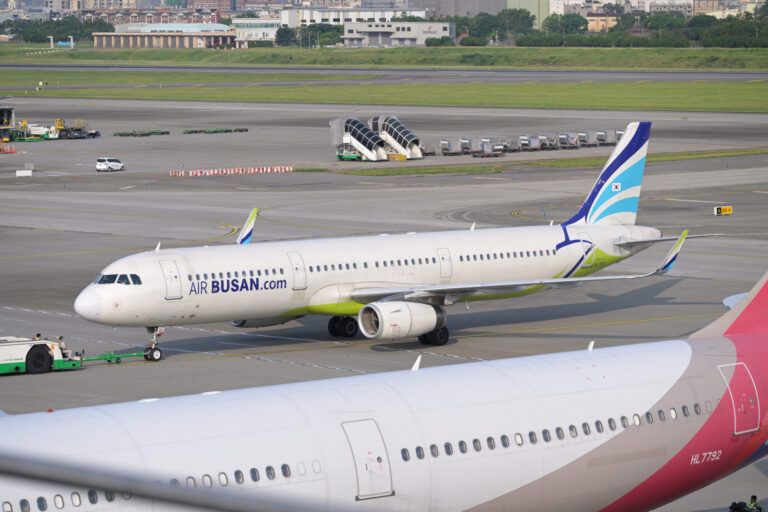 4 days leftuntil Oct 24Air Busan Takamatsu-Busan Coupon: Up to 9,000 Yen Off Until October 24
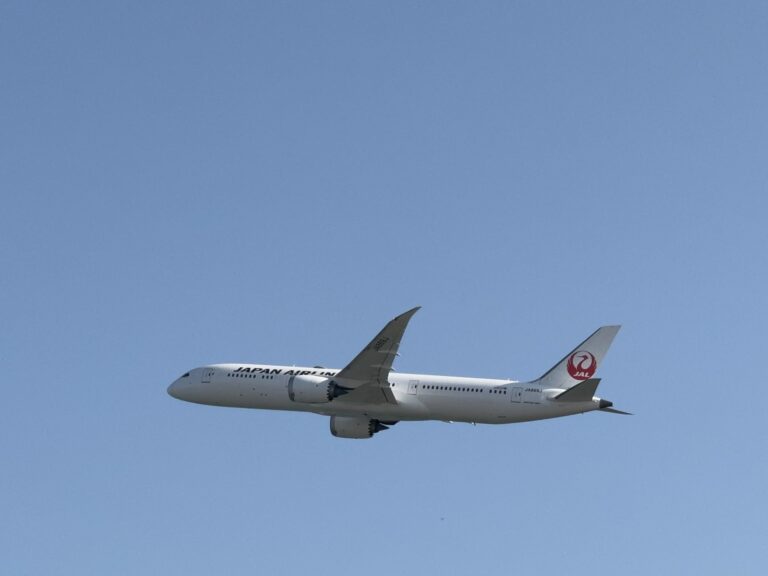 5 days leftuntil Oct 25JAL Hong Kong Campaign: Tokyo–Hong Kong Round Trip from 75,800 Yen (until 25 Oct)
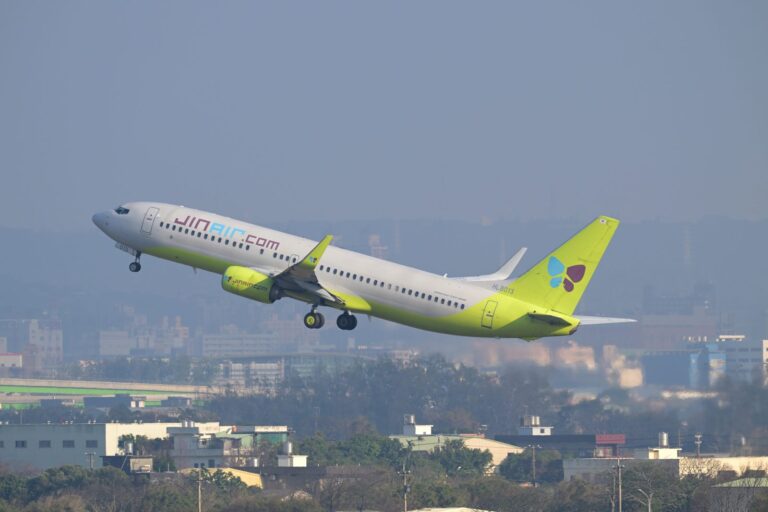 11 days leftuntil Oct 31Jin Air Kobe–Seoul: 5,000 yen off a round trip with code KTOUKB1, until 31 October
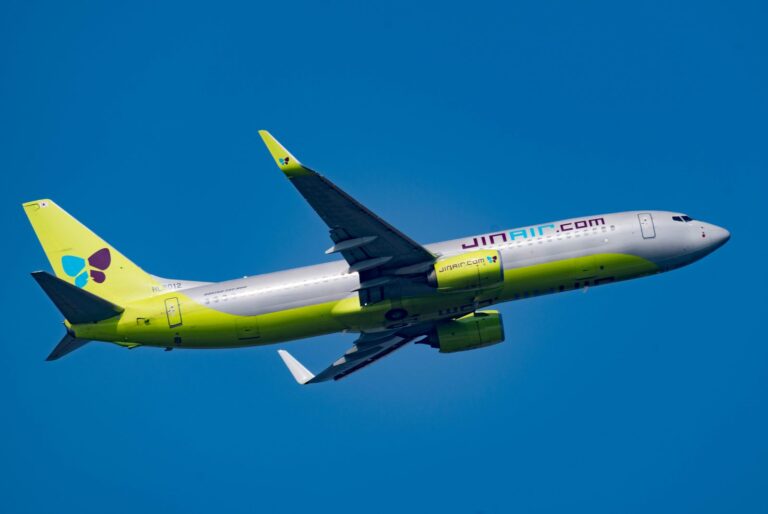 11 days leftuntil Oct 31Jin Air to Busan: 4,000 yen off a round trip with code KTOPUS, first 300 only