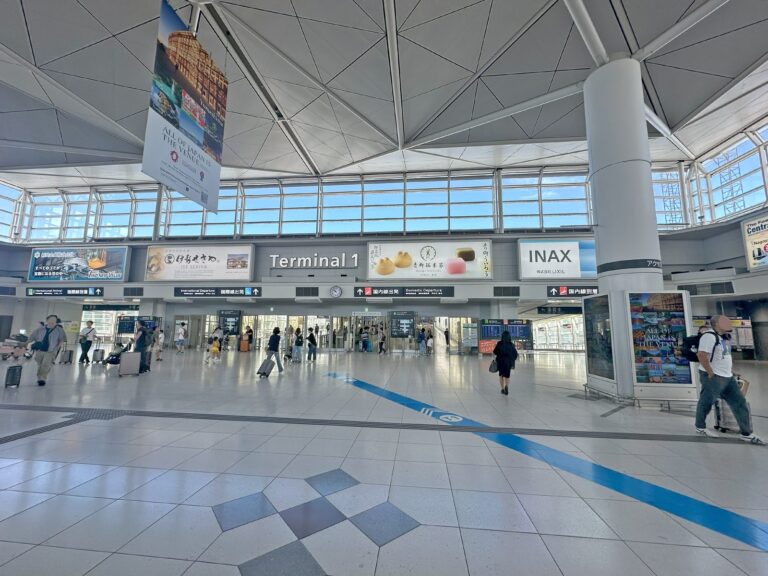
Is JAL Dokokani Mile Worth It? The Break-Even on a 7,000-Mile Round Trip
AuthorMIRUTOBE editors
Table of Contents6 items
No zone loses on miles. Even Zone A, the shortest, is 9,000 return, so you save 2,000; from Tokyo the nearest possible result is Zone B at 11,000 and you save 4,000. The way to lose is not distance. It is that once you apply, neither the date nor the destination can move.
Dokokani Mile is JAL’s domestic mystery-destination award: you commit 7,000 miles, the airline picks from four candidates, and everything below is a JAL domestic rule in yen and miles.
Subscribers to JAL Mobile powered by ahamo, the phone plan JAL launched with NTT Docomo on 25 June 2026, get a coupon once a year that brings Dokokani Mile down to 1,500 miles.
Check first: whether you are eligible at all
- You depart from Tokyo (Haneda), Osaka (Itami or Kansai), Fukuoka, or Sapporo (New Chitose or Okadama)
- Your balance is 7,000 miles or more
- Both dates can be fixed, with no chance of moving them at short notice
- The whole trip fits inside 10 days including the outbound date
- You genuinely do not mind which of the four candidates comes up
Flying out of Naha or Kagoshima means a different product altogether — Dokokani Mile Minami no Shima, with its own application screen. The maximum party size differs too: four seats against six on the standard version. Anyone in southern Kyushu or Okinawa should make sure they are at the right door.
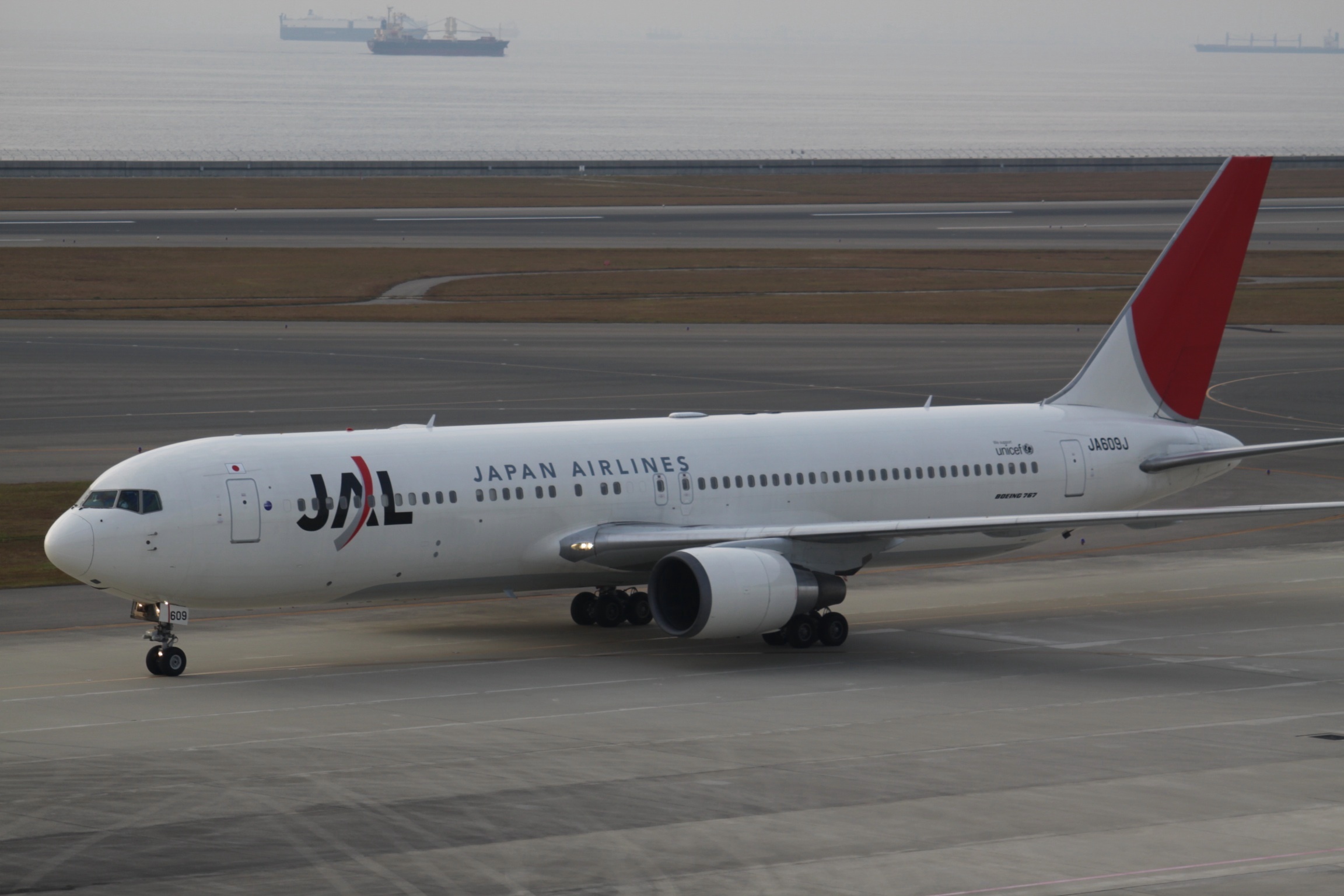
Lined up against ordinary award tickets on the same terms
JAL’s domestic awards split into seven zones, A to G, by the distance between the two airports, with base miles rising from 4,500 to 10,500 one way in steps of 1,000. Doubled up and set against 7,000, the difference falls straight out.
Taken from JAL’s domestic award mile chart (direct itineraries, ordinary seats) and the Dokokani Mile requirement page. Both are in the reference block below. Checked on 2026-09-20.
Zone A is short regional hops such as Sapporo to Hakodate or Osaka to Kochi, and nothing in it touches Haneda. Applying from Tokyo, the closest thing you can draw is a Zone B equivalent, so 11,000 miles becomes 7,000.
The right-hand column may be the more important one. When the seats available at the base rate are gone, extra miles are added according to the seats JAL predicts will remain — Award PLUS — and the ceiling runs from 18,500 to 51,500 miles one way depending on the route. Tokyo to Naha, Zone F, tops out at 44,500 one way, or 89,000 return. Against a fixed 7,000 that is a gap of 82,000 miles. This is what “the busier it gets, the more a fixed price is worth” actually refers to. JAL has announced that from tickets issued on 1 October 2026 the Award PLUS mile requirements change for ordinary seats, Class J and First Class.
A yen benchmark for a mile is worth having as well. With a JAL Card Suica you can convert 10,000 miles into JPY 10,000 of Suica credit, in units of 10,000 miles, twice in the April-to-March year, to a maximum of 20,000 miles. That exit is what puts a practical floor of one yen under a mile. No JAL domestic round trip sells for less than JPY 7,000 in cash, so measured in money alone, no candidate is a losing draw.
The deadlines from applying to boarding
Leaving the time band as “no preference” produces candidates with at least five hours on the ground for a day trip and at least seventeen for anything involving a night. Specifying tightly can actually return worse options than leaving it open.
If the point is to use up miles expiring this month, every passenger’s deduction has to be finished by 17:00 on the last day of that month. After 17:00 the miles come out of a later-expiring balance instead. Anyone applying specifically to clear an expiring balance should pin that time down before anything else.
Where people trip up
By the time you see the candidates there is no way back
After you apply, nothing changes: not the dates, not the passengers, not the airports, not the number of sectors. Once the mile deduction is complete there is no refund either, even before the destination is known. Which makes the moment you look at four candidates and decide that any of them will do the last decision point in the process. “Actually, could we move it a day” does not exist here.
Nor is there a waitlist. You cannot sit on it until a seat opens, so a date that produces no candidates is a date you give up on. Infants who need a seat cannot be carried, and children aged 6 to 11 cannot travel on it alone; someone aged 12 or over has to be with them.
Getting to the departure airport eats the miles you saved
There are only four departure areas. Living in Sendai, Hiroshima or Matsuyama means first getting yourself to Haneda or Itami, and if that costs more than JPY 10,000 return, the 7,000-mile scheme has saved you nothing. Counting a mile as a yen: draw Zone F and you are 12,000 miles ahead, but a JPY 12,000 round trip to the departure airport takes you back to zero.
Every sector has to be non-stop, so connecting itineraries are out, and the whole trip has to sit inside 10 days from the outbound date, so it suits neither a long stay nor a multi-city loop. Away from the four cities, the realistic use is when you can arrange something else near the departure airport anyway.
A “dud” is not about distance, it is about where rail is strong
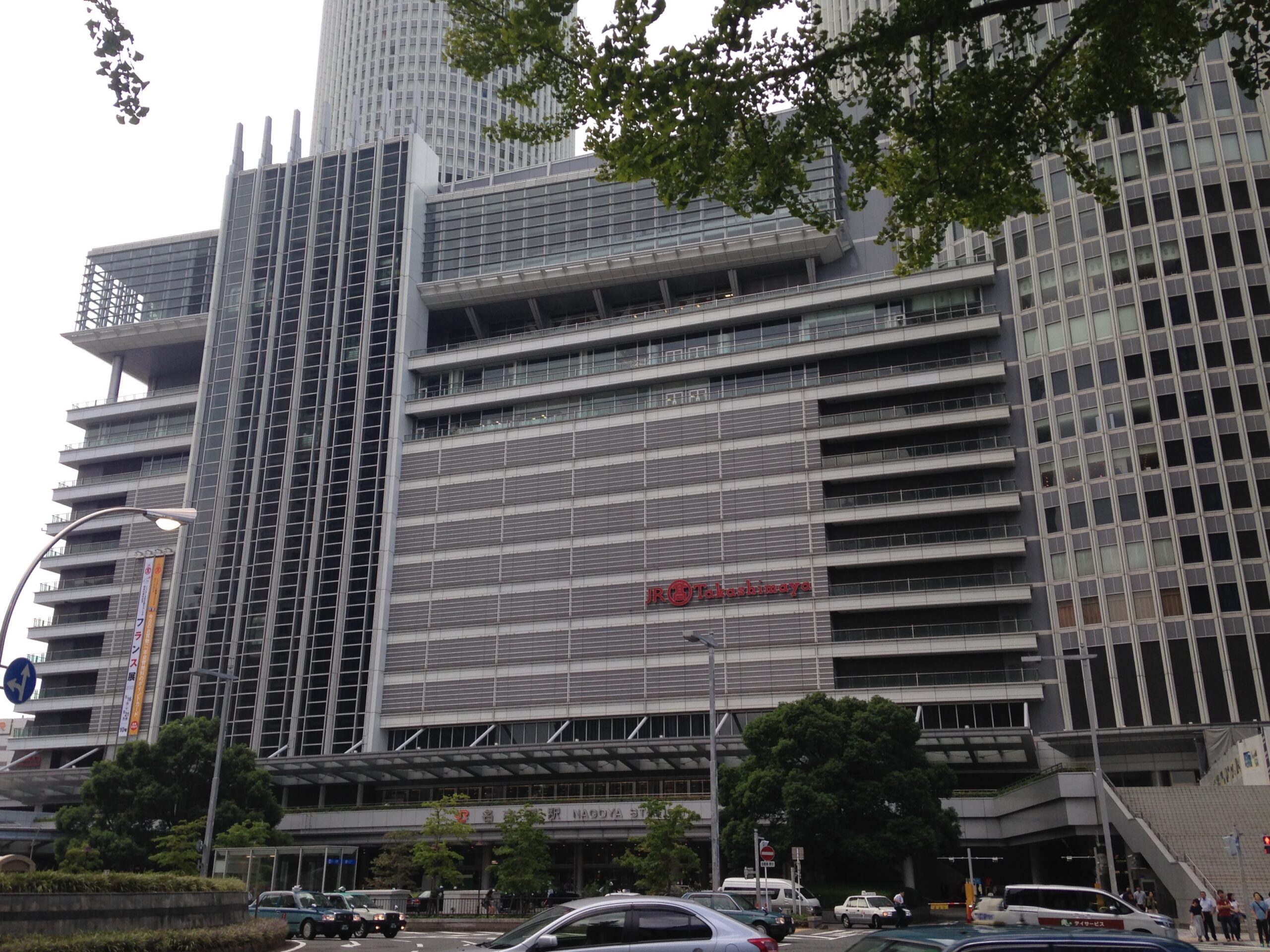
Take Nagoya turning up among the candidates from Haneda. Haneda to Chubu is Zone B, so an ordinary award would be 11,000 miles return. At 7,000 you are 4,000 ahead, and against the Tokaido Shinkansen — a Nozomi ordinary reserved seat at JPY 11,300 one way, JPY 22,600 return — the money is not close.
It still gets called a dud, because door to door it loses. Tokyo station to Nagoya station is 1 hour 40 minutes, gate to gate. Haneda to Chubu is an hour in the air, but add the run out to Haneda, security, and about 30 minutes on the Meitetsu into Nagoya, and it comes to roughly three hours. The train is faster.
Read the candidate list that way and, from Haneda, Sendai, Niigata, Nagoya, Komatsu and Osaka fall into the bracket that competes with the Shinkansen, while Sapporo, Fukuoka, Okinawa and the Nansei islands are the bracket where flying is the only realistic answer. Counting how many of your four belong to the first bracket is the practical basis for deciding whether to search again. Turn it around, though: if flying a sector you would never have chosen is itself the point, the first bracket is not a loss. Nagoya has been adding hotels, Conrad Nagoya among them in 2026, and some cities only come round because you were not allowed to choose.
What if you do not board
The award ticket is void. There is no refund of the miles and no transfer to another award. Validity is limited to the booked flight, which means missing it destroys 7,000 miles by design. That single clause is what makes this stricter than an ordinary award ticket, and whether you can accept it is the whole decision.
Peak periods carry excluded dates too. For August to November 2026 the exclusions were outbound travel on 7 to 10 August and return travel on 14 to 17 August. JAL states that exclusions from December 2026 will be published once decided. They change without notice, so the only reliable moment to read them is when you book.
What this product sells, then, is not a discount but a discount available only to people who can nail down a date. Do not use it on dates that work might move. Given a weekend you control, there are few better exits for a mile balance.
Common questions: short of 7,000, the order against JRE POINT, redrawing
What if I do not have 7,000 miles?
The hurdle is fixed at 7,000, so a smaller balance keeps you out entirely and the trip goes on a cash ticket. Domestic fares in Japan swing a long way by season, so comparing several airlines rather than one is where the difference shows up. Sales follow recognisable patterns, and waiting for the next wave using the record of past rounds can beat buying now. Building the balance from the payments side is covered in the travel credit card comparison.
Should I spend miles or JRE POINT first?
The exchange rate settles it. JRE POINT converts to miles in units of 1,500 points: with JAL Card Shopping Mile Premium, which costs an extra JPY 4,950 a year, 1,500 points make 1,000 miles, and without it 1,500 points make 500. There is no route back from miles to JRE POINT. Because it only runs one way, the question is purely one of order, and the arithmetic is in the comparison of round-trip costs by funding source. The railway has the same mystery-destination idea: Dokokani Byuun buys a Shinkansen round trip for 6,000 points.
Can I keep redrawing until I like the candidates?
You can search again, but the number of re-searches is capped per day. The number of applications accepted is capped daily as well, and you cannot make a new application until the flights on an existing one are settled. Spinning it repeatedly until something good appears is not a use the design allows.
- JAL Dokokani Mile (conditions of use and restrictions on travel dates) ↗Checked on 2026-09-20
- JAL Dokokani Mile — applying and boarding (deadlines and the mile deduction) ↗Checked on 2026-09-20
- JAL domestic award tickets — miles required by zone, and the Award PLUS ceilings ↗Checked on 2026-09-20
- JAL Card Suica (terms for converting miles into Suica credit) ↗Checked on 2026-09-20
Source: the reference block above / JR Central (Tokaido Shinkansen fares and charges) / Photos: Wikimedia Commons / Checked on 2026-09-20
Other sales ending soon
 4 days leftuntil Oct 24Air Busan Takamatsu-Busan Coupon: Up to 9,000 Yen Off Until October 24
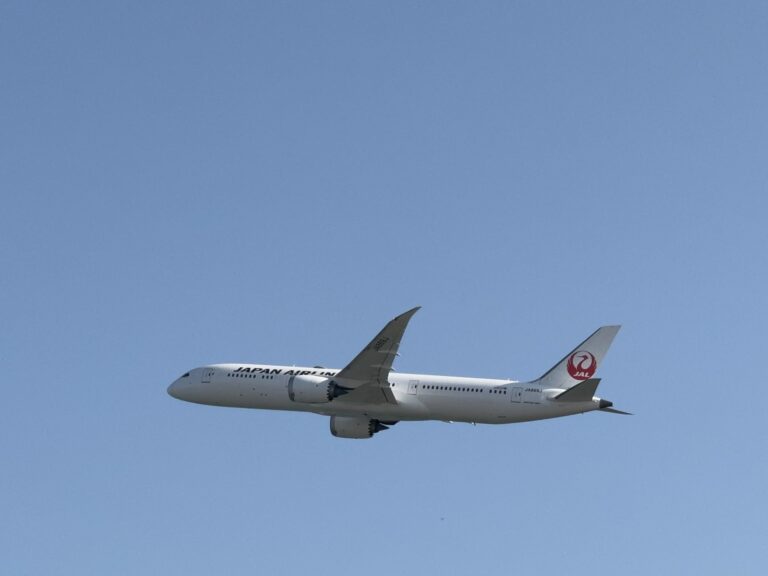 5 days leftuntil Oct 25JAL Hong Kong Campaign: Tokyo–Hong Kong Round Trip from 75,800 Yen (until 25 Oct)
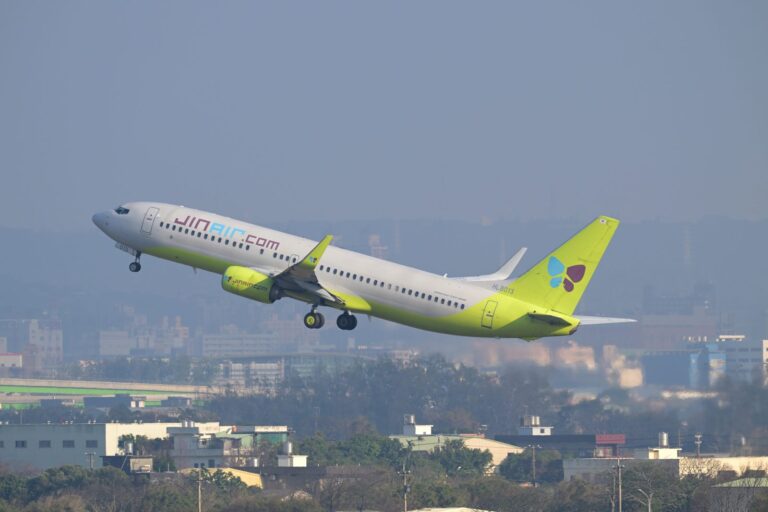 11 days leftuntil Oct 31Jin Air Kobe–Seoul: 5,000 yen off a round trip with code KTOUKB1, until 31 October
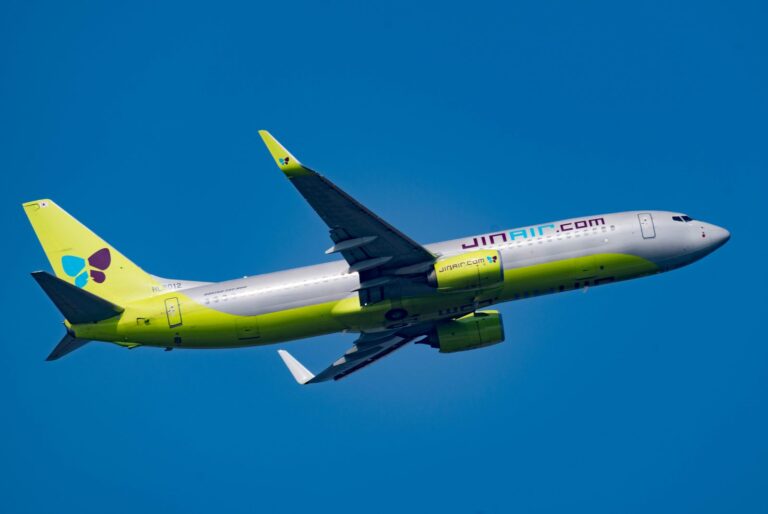 11 days leftuntil Oct 31Jin Air to Busan: 4,000 yen off a round trip with code KTOPUS, first 300 only