Japan’s Ekiben Analysed: Which Boxes Give the Most Back
AuthorMIRUTOBE editors
Table of Contents6 items
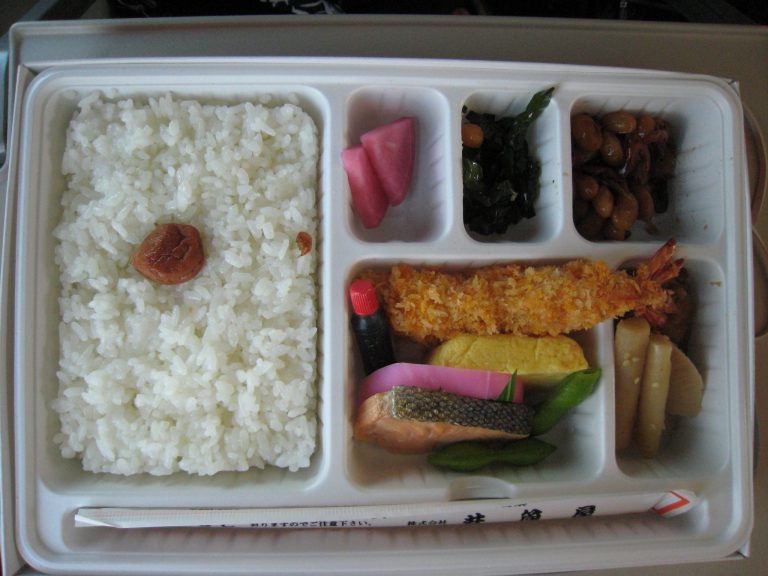
What an ekiben costs is set less by its headline ingredient than by who makes it and where. Kiyoken’s Shiumai Bento is JPY 1,180, Oginoya’s Toge-no-Kamameshi JPY 1,500 and Shinkineya’s Gyuniku Domannaka JPY 1,620.
Standing at the counter, two things decide it: the maker printed on the paper wrapper, and how many things the box is trying to be. Read those and the shelf narrows to one box quickly.
Check first: what the wrapper actually says
- The wrapper carries the maker’s company name and where it is based
- The main ingredient carries the name of the place it comes from
- You have looked at whether it must be eaten the same day
- You have decided when you are eating it — on the train, or after arriving
- The price you are looking at is the one on the kiosk shelf, not the mail-order page
Once all five have been read, the rest is taste. The two that catch people are the third and the fifth, and neither shows itself at the shelf — they both arrive after you have sat down.
Four steps once you are at the counter
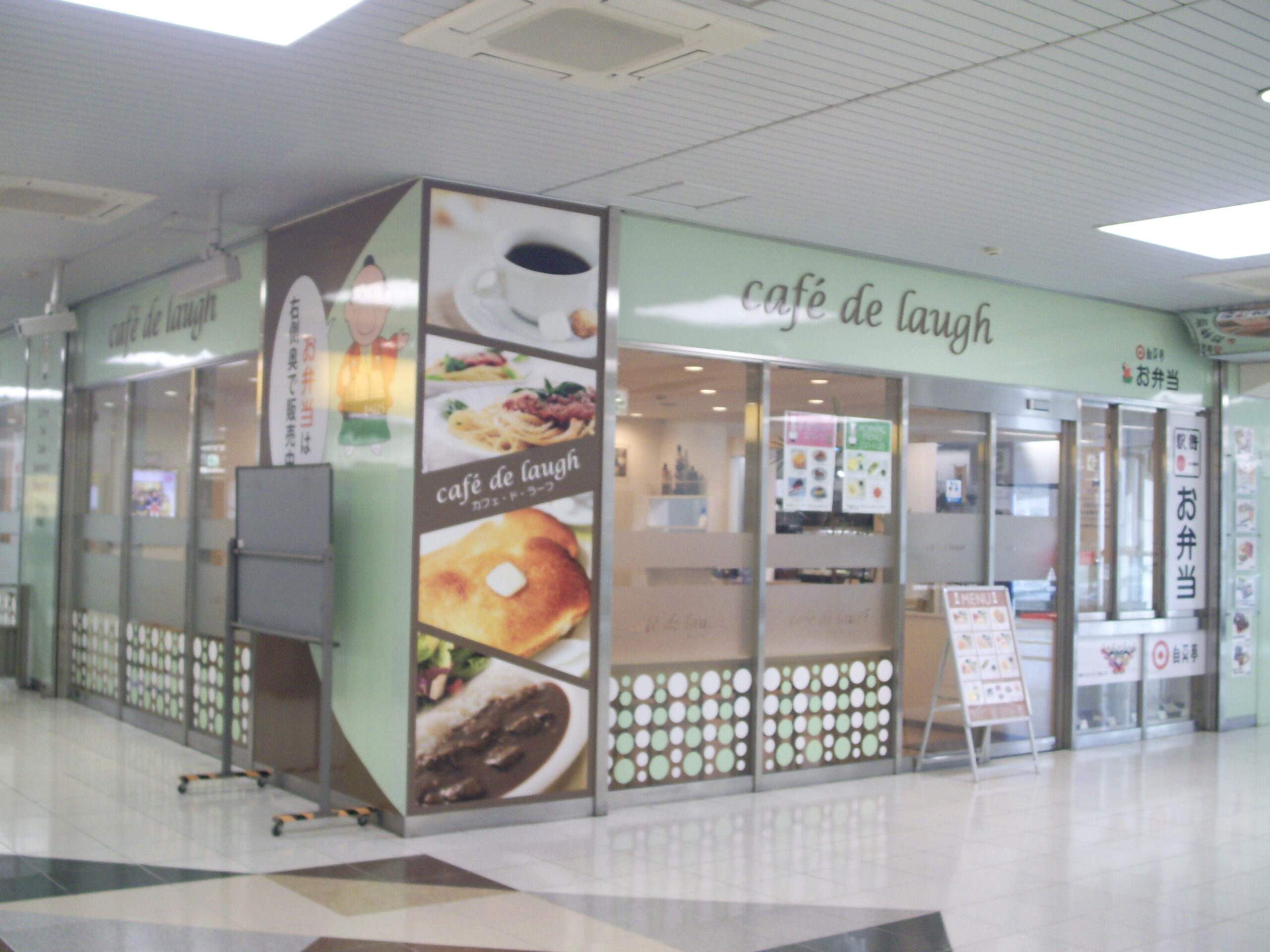
The full picture: four classics, and where the difference sits
Prices as published by each maker. The ikameshi row is the mail-order product page, which is a different quantity from what the station kiosk sells.
Line the four up and you can see where JPY 440 of spread comes from. The Shiumai Bento puts five shumai at the centre and then keeps going: marinated tuna, kamaboko, fried chicken, tamagoyaki, simmered bamboo shoot, an apricot. Gyuniku Domannaka stands on two things only, rice and beef, and the rice variety is in the product name. The fewer leads a box has, the more directly the quality of that one thing becomes the price. Stuck at the shelf, this is the thing to look at.
The container is part of the price as well. The Mashiko-ware pot of the Toge-no-Kamameshi is heavy enough that people carry it home after eating. It adds to the luggage and it keeps the food warm; whether you are eating on the train or carrying it to a hotel decides which of those matters.
Weight and shape translate straight into what a box is and is not good for. A clay-pot bento is wrong for the day you have packed cabin baggage to the limit, or the day you are changing trains with a small child on one arm. In a carriage with a small seat-back tray, a wide container means elbows in the next seat. A flat parcel like masu-no-sushi, pressed sushi, is manageable where there is no depth to work with. Half the choice is made by the day’s seat and luggage before taste gets a say.
Behind the price there is also longevity. Ikameshi dates from 1941, the Shiumai Bento from 1954, the Toge-no-Kamameshi from more than sixty years ago. A box that has been sold under the same name that long has a settled supply line in its own region and settled hands packing it. That is not an argument against anything new, but on a day when you are in an unfamiliar place and do not want to misjudge, the older side misfires less.
Knowing a maker’s wider range gives you somewhere to go when the shelf disappoints. Beside the Gyuniku Domannaka, Shinkineya lists shio, miso and curry versions of it, plus a Tokusei Gyuniku Bento, a Gyuzanmai Bento, the original Gyuniku Bento, a Gyusoboro Bento, a makunouchi and a chestnut-rice bento. Abe Shoten has an ikameshi curry at JPY 702 and a gift box of three packs of two squid at JPY 4,320, which separates what you eat now from what you carry home. When the one you came for is missing, moving sideways to the same maker is the least risky substitution.
Where people trip up
“Only at that station” is often not true
Shinkineya lists Tokyo, Ueno and Omiya, and Sendai, Yamagata and Fukushima, alongside Yonezawa and Akayu as places the Gyuniku Domannaka is sold. The Toge-no-Kamameshi turns up at motorway service areas and department store outlets as well as the kiosk at Yokokawa. Before sprinting round a station with five minutes to change, open the maker’s sales-locations page. Which also means there are boxes you can miss and recover from, and boxes you cannot.
Prices move mid-year
Masu-no-Sushi Honpo Minamoto has published notices of a price revision from 1 June 2026 and a further revision to its museum goods on 1 September. Ekiben prices do not wait for the start of a financial year. Count out coins from what you remember paying last time and you will be short at the counter. If you are writing figures into an itinerary, opening the maker’s page the evening before is about the right level of effort.
The mail-order price is a different price
“Ganso Mori Meibutsu Ikameshi, 2–3 squid” on Abe Shoten’s mail-order page is JPY 1,426. That is the price of something posted to your house, packaged and portioned differently from what the station sells. Judge the station shelf against the mail-order figure and it will look expensive, and the reverse happens too. Compare like with like.
What if it has sold out
Three moves remain: switch to another box by the same maker, gamble on the counter at the transfer station, or give up for the day and eat somewhere after you arrive. Where the maker is Shinkineya, with shio, miso and curry versions of the Domannaka on the same list, the first is the realistic one.
At a station whose only outlet is a small platform kiosk, there were never more than a few kinds on sale. To be sure of a particular box, buy it at a station with a dedicated counter on the concourse inside the gates. An itinerary whose connections run under 10 minutes is, in this sense, not an itinerary suited to ekiben at all. If you want time to buy, the way to get it is half an hour of slack at the departure station.
On a day that starts with the first train, the counters can still be shut when you leave. Staying near the station the night before and catching the morning opening is the reliable version. Where the hotel serves breakfast from 6.30am, as covered in the piece on business hotel breakfast buffets, there is still time to eat and then call at the kiosk.
Common questions: allergens, buying in Tokyo, eating it cold
How much allergen information is published?
It varies by maker. Kiyoken’s product page for the Shiumai Bento states that, of Japan’s 28 designated allergens, it uses egg, wheat, sesame, chicken, pork and soy, and gives 772 kcal and a salt equivalent of 3.7 g. Other makers publish nothing like that much, so anyone who needs the detail should look up the boxes sold at their station before setting off.
Can regional ekiben be bought in Tokyo?
Some can. Shinkineya lists Tokyo, Ueno and Omiya among the sales points for the Gyuniku Domannaka, and Oginoya’s Toge-no-Kamameshi is handled at the Nihonbashi Takashimaya and Shinjuku Takashimaya outlets. That does not mean the whole country’s ekiben are permanently available in Tokyo. The ones worth buying where you find them are, if anything, the ones with a short list of sales points.
Are some ekiben poor once they have gone cold?
They are made to be eaten cold, so choosing on the assumption that nothing gets reheated will not lead you wrong. The Toge-no-Kamameshi has its heat-retaining Mashiko-ware pot, masu-no-sushi is pressed sushi and ikameshi is simmered to take on its flavour; all three are designed for room temperature. A box heavy on deep-fried items changes texture over time, so where the gap between buying and eating is long, leaning towards the simmered and vinegared side misfires less.
Getting the travel itself cheap is in how far JPY 10,000 gets you out of Tokyo, and the same question from the lodging side is in the 9,800-yen onsen inn. Consolidating the spending into points is in the travel credit card comparison.
- Kiyoken — Shiumai Bento (price, contents, allergens, nutrition) ↗Checked on 2026-09-14
- Oginoya — Toge-no-Kamameshi (price, contents, the clay pot) ↗Checked on 2026-09-14
- Shinkineya — bento range (Gyuniku Domannaka, sales points) ↗Checked on 2026-09-14
- Ikameshi Abe Shoten — products and mail order ↗Checked on 2026-09-14
- Masu-no-Sushi Honpo Minamoto — notices (price revisions) ↗Checked on 2026-09-14
Source: the reference block above / Photos: Connie, CC BY 2.0; Dr.yellow, CC BY-SA 4.0; Aspere, CC0 (all Wikimedia Commons) / Checked on 2026-09-14
Other sales ending soon
 4 days leftuntil Oct 24Air Busan Takamatsu-Busan Coupon: Up to 9,000 Yen Off Until October 24
 5 days leftuntil Oct 25JAL Hong Kong Campaign: Tokyo–Hong Kong Round Trip from 75,800 Yen (until 25 Oct)
 11 days leftuntil Oct 31Jin Air Kobe–Seoul: 5,000 yen off a round trip with code KTOUKB1, until 31 October
 11 days leftuntil Oct 31Jin Air to Busan: 4,000 yen off a round trip with code KTOPUS, first 300 only