Tateyama Kurobe Alpine Route: 2-Day Itinerary (Murodo Stay)
AuthorMIRUTOBE editors
Table of Contents7 items
- Itinerary Overview
- DAY 1 From Toyama Plain to the Alpine Clouds at Murodo Plateau
- DAY 2 From Daikanbo to Kurobedaira and the Colossal Kurobe Dam into Shinshu
- Itinerary Modifications & Contingency Plans
- Why We Omitted Summit Climbing Mount Oyama
- Choosing Your Overnight Lodging Area
- Itemized Trip Cost & Financial Verification
A 2-day, 1-night traverse across the Tateyama Kurobe Alpine Route from Toyama to Nagano costs 88,320 yen for two persons. Following the termination of overnight room services at Hotel Tateyama, overnight lodging in the Murodo Plateau transitions to high-altitude mountain lodges such as Mikurigaike Onsen and Tateyama Murodo Sanso. This model plan focuses on the full traverse line from Dentetsu Toyama via Highland Bus, ropeway, and Kurobe Dam to Ogizawa, utilizing luggage forwarding services so travelers can hike freely with daypacks.
Itinerary Overview
| Day | Morning | Afternoon | Evening / Night |
|---|---|---|---|
| DAY 1 | Dentetsu-Toyama Station → Tateyama Station → Bijodaira (Highland Bus) | Arrival at Murodo Terminal → Mikurigaike Pond Loop Hike (approx. 60 min) | Check-in at Tateyama Murodo Sanso → Dinner & Stargazing |
| DAY 2 | Depart Murodo → Daikanbo (Observatory) → Kurobedaira | Kurobe Dam (Water discharge viewing, dam crest walk, lunch) → Ogizawa Station | Express bus to Nagano Station → Dismissal |
DAY 1From Toyama Plain to the Alpine Clouds at Murodo Plateau
Route Intent: Ascend in the earliest departure windows from Toyama to arrive at Murodo Plateau before daytime tour crowds peak. Forward large suitcases at Toyama Station to travel lightly with only daypacks at 2,450 meters elevation.
Morning: Dentetsu Toyama to Tateyama Station and Highland Bus to Murodo
The journey along the Tateyama Kurobe Alpine Route begins at Dentetsu-Toyama Station on the Toyama Chiho Railway. The train journey from Toyama to Tateyama Station takes approximately 60 minutes. Selecting an early morning departure allows travelers to bypass large tour groups and coach lines at the ticketing gates. Upon arriving at Tateyama Station, you transfer to the Tateyama Cable Car. Tateyama Station sits at an altitude of 475 meters. In just 7 minutes, the funicular climbs steeply to Bijodaira at 977 meters. Outside the car windows, primeval Tateyama cedar groves unfurl, allowing passengers to feel the sheer traction of the cable car ascending a vertical elevation difference of 502 meters.
Upon reaching Bijodaira, passengers board the Tateyama Highland Bus. The bus covers a distance of approximately 23 kilometers from Bijodaira to Murodo Terminal in about 50 minutes. This stretch represents one of Japan’s most spectacular mountain roads. As elevation increases, the forest canopy shifts dramatically from temperate beech and cedar forests to subalpine Veitch’s fir and Erman’s birch, before opening into alpine pumila scrub. Along the way, panoramic lookouts reveal Shomyo Falls, the highest waterfall in Japan, and the high-altitude wetlands of Midagahara at 1,930 meters. The bus ascending above the clouds offers an exhilarating sense of scale unmatched elsewhere in Japan.
| Section & Vehicle | Duration | Elevation Shift | Scenic Highlights & Key Notes |
|---|---|---|---|
| Dentetsu Toyama → Tateyama Station (Toyama Chiho Railway) | Approx. 60 min | Rise of approx. 460m | Rural landscapes along the Joganji River and alpine foregrounds |
| Tateyama Station → Bijodaira (Tateyama Cable Car) | Approx. 7 min | 475m → 977m | Steep incline with 24-degree average grade and Zaimokuzaka forest |
| Bijodaira → Murodo (Tateyama Highland Bus) | Approx. 50 min | 977m → 2,450m | Distant view of Shomyo Falls, Midagahara pond networks, Dainichi ridge |
Afternoon: Exploring Murodo Plateau and Mikurigaike Pond Loop
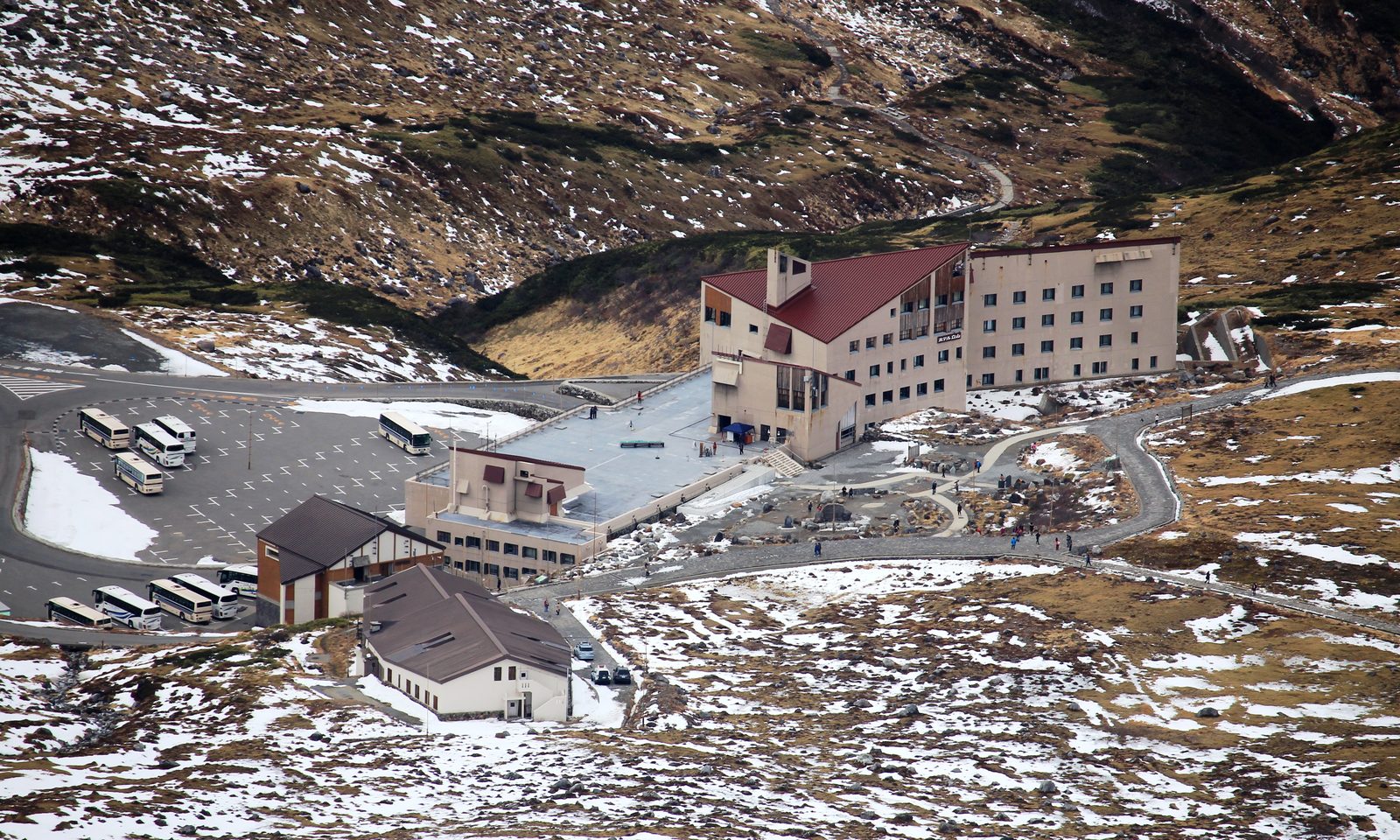
Arriving at Murodo Terminal around midday, the alpine air at 2,450 meters feels entirely distinct from the lowlands. Even in summer, cool breezes embrace visitors, and September brings crisp, pre-winter chills. The terminal facility houses dining areas and shops, offering regional specialties like white shrimp tempura rice bowls and hot Tateyama soba noodles. Even though Hotel Tateyama will cease overnight room services, all restaurant, cafe, and retail operations within the terminal will continue operating as normal, ensuring comfortable dining and resting facilities.
After lunch, embark on the scenic loop trail around Mikurigaike Pond, the visual symbol of Murodo Plateau. Stepping outside Murodo Terminal, the majestic Tateyama mountain range—comprising Mount Oyama, Mount Onanji, and Fujinooritate—rises like a colossal fortress wall. The Mikurigaike Pond loop circuit spans roughly 1.7 kilometers, taking approximately 60 minutes at a standard walking pace. While the trail features stone paving and steps, walking at 2,400 meters altitude requires a measured pace and deep breaths to prevent altitude sickness.
Highlights: A 1.7-kilometer panoramic loop around the volcanic caldera lake. On calm mornings and late afternoons, the pristine mirror surface reflects the inverted peaks of Tateyama. In autumn, contrasting colors of dark green stone pines, crimson alpine plants, and golden birches decorate the slopes.
Practical Tip: Paved stone walkways become slippery when wet from rain or morning frost. While athletic sneakers can suffice, mid-cut trekking boots with deep tread are strongly recommended. Trail sections near Jigokudani may undergo temporary closures during elevated volcanic gas activity; always heed official local signboards.
- Location
- Murodo-daira, Ashikuraji, Tateyama Town, Toyama Prefecture
- Season
- Mid-April to late November (weather dependent)
- Admission
- Free trail access
- Official Info
- Tateyama Kurobe Alpine Route Official ↗
To the north of Mikurigaike lies Mikurigaike Onsen, celebrated as the highest natural hot spring in Japan. Its acidic sulfur spring waters are drawn directly from the Jigokudani thermal area, boasting milky white mineral blooms. While daytime bathing is open to hikers, staying overnight grants access to tranquil morning and evening baths after daytime crowds have departed.
Evening: Sunset and Stargazing at Alpine Mountain Lodges
After 4:00 PM, when the final outbound Highland Buses transport day visitors down the mountain, Murodo Plateau undergoes a profound quietude. The bustle of sightseers evaporates, leaving only the rugged Northern Alps wilderness and overnight lodge guests in serene isolation.
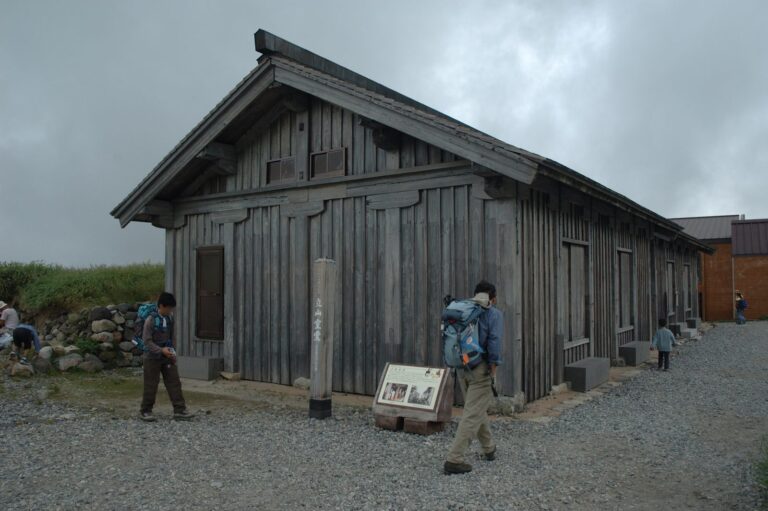
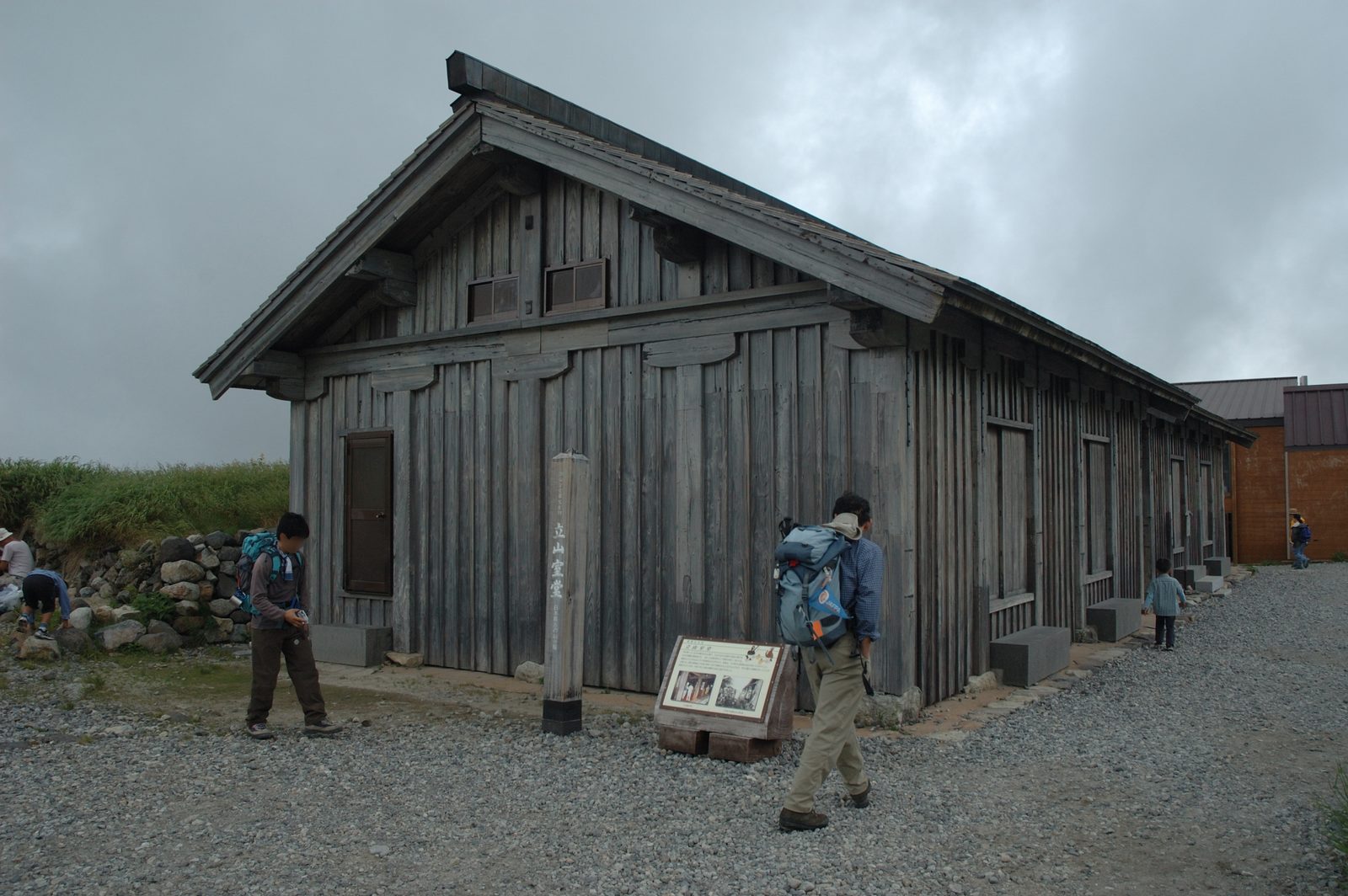
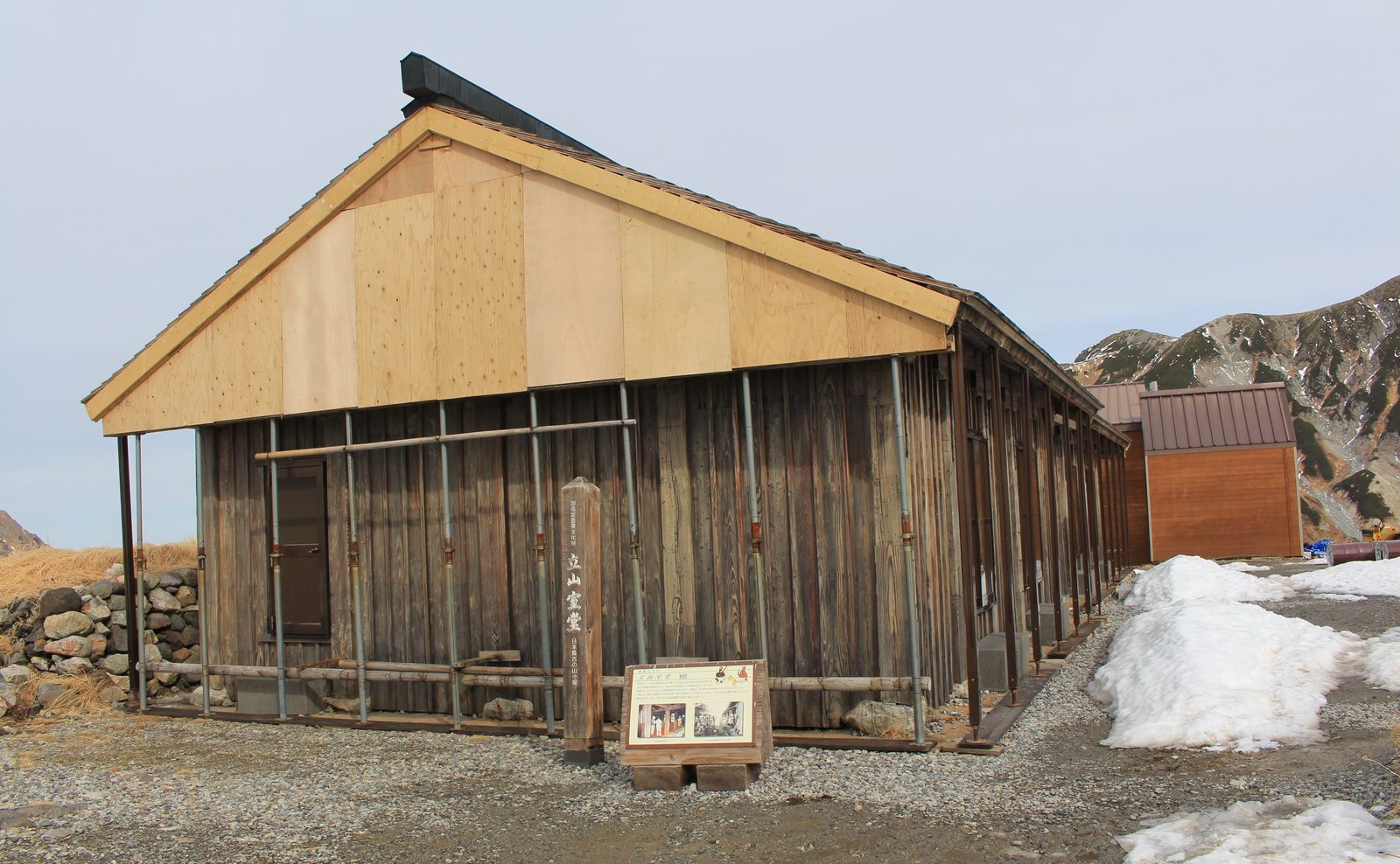
For this itinerary, we designate Tateyama Murodo Sanso as the primary accommodation, located an easy 10-minute flat walk from Murodo Terminal. Adjacent to the historic wooden Tateyama Murodo hut—designated an Important Cultural Property of Japan—Murodo Sanso provides clean, modern facilities. Guests can book private guest rooms and enjoy shared hot communal baths. While it does not offer luxury bellhop services or grand hotel amenities like Hotel Tateyama, it provides a safe, highly comfortable shelter for alpine trekkers and general tourists alike.
Highlights: A comfortable high-altitude lodge perched at 2,450 meters elevation. The lodge features warm wooden interiors, private guest rooms, and relaxing large communal baths. Hearty dinners highlight seasonal Toyama vegetables, simmered dishes, and grilled river fish.
Practical Tip: Unlike Hotel Tateyama, personal toiletries like toothbrushes and bath towels are not provided in rooms; purchase them at the shop or bring your own. Lights-out curfew occurs at 21:00 (9:00 PM). Soundproofing in mountain huts is lighter than commercial hotels, so bringing earplugs ensures an uninterrupted, restful sleep.
- Location
- Murodo-daira, Tateyama Town, Toyama Prefecture
- Operating Season
- Mid-April to late November
- Room & Board
- Dormitory approx. 15,000 yen/person; Private rooms approx. 18,000–22,000 yen/person
- Official Info
- Murodo Sanso Information ↗
At dusk, the setting sun paints Toyama Bay and the rolling sea of clouds in brilliant shades of amber and rose. As night deepens at 2,450 meters, the Milky Way and constellations appear with startling clarity against the pitch-black sky. Free from artificial light pollution, the nocturnal sky is densely crowded with stars. Autumn temperatures drop near freezing, but stepping outside in warm thermal layers for even a few minutes rewards visitors with an unforgettable celestial spectacle.
Walking trails across Murodo Plateau are surfaced with granite stones, but gradual volcanic undulations include stepped inclines and exposed damp rock surfaces. At over 2,400 meters altitude, atmospheric pressure drops to approximately three-quarters of sea level, thinning available oxygen. Walking at a brisk lowland pace quickly induces breathlessness. Maintain short strides and deep, steady breathing. Rather than flat lowland sneakers, mid-cut trekking shoes providing ankle support and deep outsole lugs provide reassuring stability.
Furthermore, total darkness blankets Murodo Plateau between sunset and nightfall. Unlike large urban resort hotels with central environmental control, alpine lodges lack streetlights outside entrance doorways. When venturing outside to observe stars, headlamps or compact flashlights that leave both hands free are vital gear. Illuminate steps carefully to prevent tripping over stone edges and recessed depressions.
DAY 2From Daikanbo to Kurobedaira and the Colossal Kurobe Dam into Shinshu
Route Intent: Board early morning services through the Tateyama Tunnel to view backlit panoramas from Daikanbo and the ropeway. Absorb the scale of Kurobe Dam’s mist and water discharge before exiting to the Nagano side via Ogizawa in early afternoon.
Morning: Descending Eastern Slopes via Trolley Bus and Aerial Ropeway
Day two begins with a hot breakfast at Murodo Sanso. Walking back to Murodo Terminal in the pristine morning air, you can gaze at the morning alpenglow bathing Tateyama’s craggy summits. The first transit segment of the day is the Tateyama Tunnel Trolley Bus. Running through a 3.7-kilometer tunnel bored straight beneath the summit of Mount Oyama, the overhead-wire electric bus carries passengers to Daikanbo Station in roughly 10 minutes.
Upon arriving at Daikanbo Station, ascend immediately to the rooftop observation terrace. Cantilevered dramatically over a sheer precipice at 2,316 meters elevation, the observation deck overlooks the emerald-green expanse of Lake Kurobe, framed by the Ushiro-Tateyama mountain range. The sensation of sheer vertical drop and brisk mountain winds rushing from the gorge below reinforces the thrill of standing in the heart of the Northern Alps.
From Daikanbo, the Tateyama Ropeway carries passengers down to Kurobedaira at 1,828 meters. Designed without supporting towers to safeguard natural scenery and mitigate avalanche hazards, this cable system spans 1,710 meters as Japan’s longest single-span ropeway. With no structural columns obstructing lines of sight, riders experience the sensation of gliding weightlessly in a giant aerial capsule. Autumn foliage transforms the slopes between Daikanbo and Kurobedaira into a vibrant mosaic of gold and crimson.
Afternoon: Japan’s Highest Dam and the Roar of Kurobe Dam Water Discharge
Transferring to the underground Kurobe Cable Car from Kurobedaira, a 5-minute descent brings travelers to Kurobe Lake Station. Emerging from the subterranean tunnel, the massive concrete arch of Kurobe Dam reveals its majestic engineering. Reaching 186 meters in height, Kurobe Dam is the tallest dam in Japan. Constructed through legendary hardships in the mid-20th century, it stands as a testament to human perseverance set against unforgiving alpine nature.
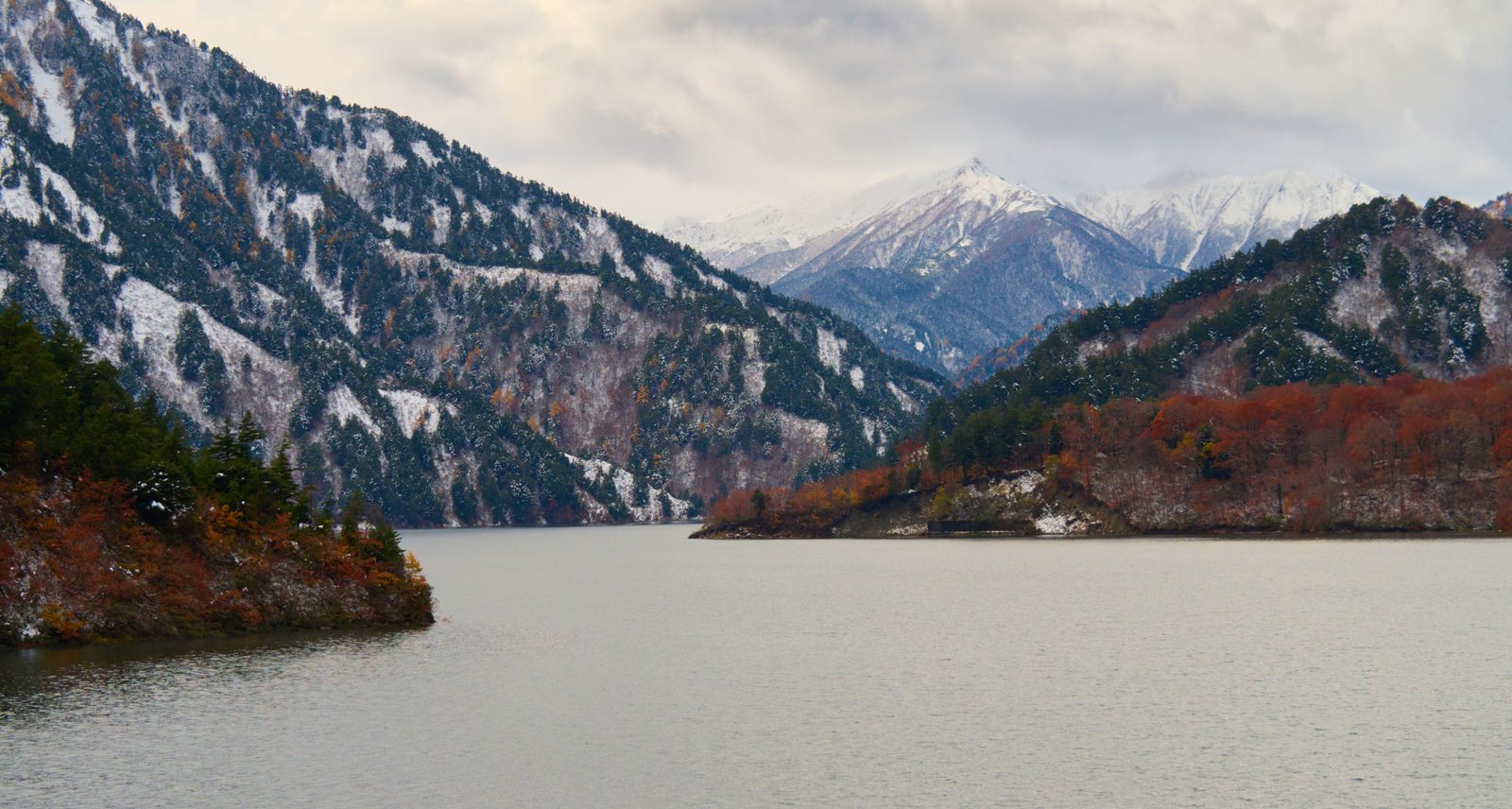
Highlights: The annual tourism water discharge operates from June 26 to October 15. More than 10 tons of misted water per second surge into the gorge with thunderous power. On clear sunny days, sunlight refracts through spray to form dazzling rainbows. The 492-meter crest walk provides dizzying vertical perspectives into the riverbed below.
Practical Tip: Reaching the upper Dam Observation Deck requires ascending 220 steps through underground tunnels. While physically demanding, the vantage point framing Mount Tateyama behind the discharging dam is well worth the climb. For those with knee discomfort, the flatter New Observation Deck or the dam crest pathway provide effortless viewing. Dam Rest House’s signature Kurobe Dam Curry makes an ideal lunch stop.
- Location
- Ashikuraji, Tateyama Town, Toyama Prefecture
- Discharge Season
- June 26 to October 15
- Admission
- Free viewing (included in route transit ticket)
- Official Info
- Kurobe Dam Official ↗
After crossing the dam crest, you arrive at Kurobe Dam Station to board the final transit vehicle: the Kanden Tunnel Electric Bus. Passing through the tunnel bored through severe geological fracture zones, this 16-minute transit reaches Ogizawa Station at 1,433 meters on the Nagano Prefecture side. Formerly operated by trolley buses, modern battery electric buses deliver smooth, quiet transit across the prefectural boundary.
Late Afternoon: Express Bus from Ogizawa to Nagano Station and Onward Travel
Passing through the exit gates at Ogizawa Station marks the completion of the vehicular alpine traverse. At the Ogizawa baggage claim counter, collect forwarded suitcases sent from Toyama Station. Utilizing luggage forwarding eliminates the grueling ordeal of hauling heavy rolling luggage across Murodo stone trails and Kurobe Dam stairwells, allowing smooth departure toward your next destination.
Direct express highway buses connect Ogizawa Station to JR Nagano Station in approximately 105 minutes, descending through the foothills of Omachi Onsen and the Azumino valley. Reaching Nagano Station by late afternoon or evening provides seamless connections via the Hokuriku Shinkansen to Tokyo in about 80 minutes, or via the Limited Express Shinano to Nagoya in approximately 3 hours. For broader travel planning across regions, explore our Japan Model Itineraries Collection featuring structured routes and budgets.
The second half of the Alpine Route from Daikanbo to Kurobedaira and Kurobe Dam involves tight transfer capacities. The Tateyama Ropeway in particular operates on fixed boarding numbers, generating waiting queues in station foyers. Securing window positions on the forward downhill side provides prime lake views, though passengers should share scenic vantage points courteously.
The Kurobe Cable Car between Kurobedaira and Lake Kurobe operates entirely underground on a steep 31-degree gradient. Cold air lingers inside the tunnel year-round, so keeping a windbreaker jacket accessible ensures comfortable transit. Near the boarding area at Kurobe Dam Station, electronic monitors display live bus connections from Ogizawa; checking express bus departures guarantees seamless forward transfers.
Itinerary Modifications & Contingency Plans
Rainy Day Adjustments
Weather volatility is the foremost consideration along the Alpine Route. If severe winds and torrential rain hit Murodo Plateau at 2,450 meters, visibility drops to near zero, increasing hypothermia risks and making outdoor hiking untenable.
In rainy conditions, cancel outdoor pond walks and pivot to indoor facilities at Murodo Terminal. The Tateyama Nature Conservation Center offers free exhibits detailing the ecology of Japanese rock ptarmigans and alpine geology. Relaxing with drip coffee at Cafe Rindo or checking into Mikurigaike Onsen early to enjoy soothing baths and reading provides a realistic, enjoyable alternative.
Managing Transit Delays Exceeding One Hour
If congestion or technical signal delays hold up the Toyama Chiho Railway or cable car by over an hour, downstream afternoon schedules are compressed.
Alpine Route transit relies on timed reservation slots; a morning bottleneck delays subsequent Highland Bus or ropeway boarding. If bus boarding at Bijodaira slips past 1:00 PM, arrival at Murodo reaches close to 2:00 PM. In this scenario, abbreviate the 60-minute pond circuit to viewing viewpoints near the terminal and proceed directly to check-in before dusk at 4:00 PM.
Fatigue Compromises at Kurobe Dam
Reaching Kurobe Dam on day two, travelers may feel accumulated fatigue from transit transitions and altitude changes.
The best fatigue compromise is bypassing the 220-step staircase to the upper Dam Observation Deck. While stunning, the steep climb strains knees and stamina. Instead, view the discharge from flat pathways at the New Observation Deck or dam crest benches. Resting at Dam Rest House and taking an earlier electric bus to enjoy footbaths at Omachi Onsen offers a relaxed pacing.
Sudden weather shifts are common in alpine terrain. Even after clear morning skies, dense fog can rise swiftly from valleys, reducing visibility to ten meters within minutes. If disoriented by fog, never stray from marked trails into loose scree. While trail markers line Murodo routes, straying risks volcanic vent zones and steep drop-offs. When fog thickens, immediately retreat to Murodo Terminal or lodge lounges.
In early autumn, while valley cities experience mild rain, high elevations above 2,000 meters can see sleet or unexpected snowfall. Temperatures plummet near freezing, so packing breathable waterproof outerwear (such as Gore-Tex separate jackets and pants) serves as essential protection against both rain and hypothermia.
Why We Omitted Summit Climbing Mount Oyama
Many mountaineers visiting Murodo aim for Mount Oyama at 3,003 meters, a 4-hour round trip with summit shrine panoramas. However, this 2-day model plan deliberately excludes climbing Mount Oyama.
The trail from Ichikoshi to the summit traverses steep, rocky scree presenting substantial slip and fall hazards for general sightseers. Helmets are recommended, and lowland footwear increases accident risks. Furthermore, spending 4 hours ascending leaves insufficient time to experience Kurobe Dam and Daikanbo, eroding the leisure of the scenic vehicular traverse. Our itinerary prioritizes scenery and historical engineering over technical mountaineering. For financial travel management strategies, see our guide on 25 Essential Japan Budget Travel Tips.
Choosing Your Overnight Lodging Area
Following the closure of Hotel Tateyama’s overnight guest rooms on August 31, 2026, selecting your lodging base shapes the overall journey. Lodging options split into three distinct zones:
Why Choose: An unmatched experience sleeping above the clouds at 2,400 meters. Enjoy evening stargazing and morning alpenglow outside the lodge door. Private rooms and thermal baths are available.
Estimated Budget: Half-board 15,000–22,000 yen/person (30,000–44,000 yen for two)
Why Choose: Operated by the same group as Hotel Tateyama, offering full Western guest rooms and multi-course dining overlooking 1,930-meter alpine wetlands.
Estimated Budget: Half-board 25,000–40,000 yen/person (50,000–80,000 yen for two)
Why Choose: Avoids high-altitude cold and acclimation challenges, staying in spacious ryokan inns without hauling overnight packs up the mountain.
Estimated Budget: Half-board 12,000–25,000 yen/person (24,000–50,000 yen for two)
To experience mountain sunrises and night skies, staying in Murodo Plateau is strongly recommended. Tateyama Murodo Sanso provides level trail access, while Mikurigaike Onsen features therapeutic sulfur baths. For seasonal autumn peak foliage timing across different elevations, refer to our Japan Autumn Foliage Guide.
Key preparation for alpine lodge lodging is ruthless luggage reduction. Utilize baggage forwarding to send large suitcases directly to Ogizawa, packing only essentials (warm layers, rain gear, toiletries, medication, chargers, headlamp) in a 20–30 liter daypack.
Upon arrival, request the drying room for damp outerwear and boots, warming up with hot tea or bath soaks. While lodge rooms feature heating, night chills penetrate, so packing thermal sleepwear and socks ensures a cozy rest.
Itemized Trip Cost & Financial Verification
Below is the itemized budget for two adults traversing the route from Dentetsu-Toyama Station to Nagano Station, excluding trunk Shinkansen or domestic airfares. Accommodation is calculated based on a private room at Tateyama Murodo Sanso with two meals.
| Expense Item | Payee / Provider | Amount (2 Persons) | Notes & Price Basis |
|---|---|---|---|
| Alpine Route One-Way Traverse Ticket | Tateyama Kurobe Kanko (WEB Ticket) | 28,120 Yen | Dentetsu-Toyama to Ogizawa (One-way adult 14,060 yen x 2) |
| Express Highway Bus | Alpico Kotsu | 6,200 Yen | Ogizawa Station to Nagano Station East Exit (Adult 3,100 yen x 2) |
| Lodging (1 Night, 2 Meals) | Tateyama Murodo Sanso | 40,000 Yen | Private room including heating surcharge (approx. 20,000 yen x 2) |
| Baggage Forwarding Service | Tateyama Kurobe Service | 6,000 Yen | Dentetsu-Toyama Station to Ogizawa pickup (Large suitcases 3,000 yen x 2) |
| Meals, Lunches & Cafe | Murodo Rest House & Kurobe Dam Rest House | 8,000 Yen | White shrimp bowls, Kurobe Dam curry, coffee (2 days, 2 persons) |
| Total Traversal Cost (2 Persons) | — | 88,320 Yen | Approx. 44,160 yen per person |
All rates listed above reflect official published tariffs verified on September 28, 2026.
Who Should Avoid This Itinerary & Constraints
While designed for accessible exploration, this itinerary is not suitable for all travelers.
Travelers requiring barrier-free carpeted corridors, elevators, and luxury room service like Hotel Tateyama will find mountain huts unsuitable. Reaching Murodo lodges requires walking outdoors over uneven stone trails in wind or rain. Facilities enforce evening quiet hours, and washrooms may be shared. If luxury hospitality is paramount, choose Midagahara Hotel or stay in Omachi Onsenkyo at the mountain base. For regional lodging tax regulations across Japan, review our analysis on Accommodation Tax Rates Recalculated Across Cities.
Travelers unable to travel lightly should also reconsider. While luggage forwarding transports large bags to Ogizawa, hikers must carry personal overnight gear and warm layers in daypacks. Stiletto heels or dress shoes are hazardous; supportive footwear is essential.
Booking Alpine Route transit via the official WEB Ticket system with online credit card prepayment is strongly advised. Same-day counter purchases risk long queues and sold-out timed departure slots. Pre-purchasing online enables instant QR-code redemption at ticket kiosks in Tateyama or Ogizawa Station.
Conversely, mountain shops and lodge snack counters may experience intermittent wireless payment outages. Coin-operated lockers and designated tip-based restrooms require 100-yen coins and 1,000-yen notes; carrying roughly 10,000 yen in cash from lowland banks prevents unexpected complications.
Transit fares and lodge operational dates were verified with official Tateyama Kurobe Alpine Route and Hotel Tateyama announcements on September 28, 2026.
Other sales ending soon




 4 days leftuntil Oct 24Air Busan Takamatsu-Busan Coupon: Up to 9,000 Yen Off Until October 24
 5 days leftuntil Oct 25JAL Hong Kong Campaign: Tokyo–Hong Kong Round Trip from 75,800 Yen (until 25 Oct)
 11 days leftuntil Oct 31Jin Air Kobe–Seoul: 5,000 yen off a round trip with code KTOUKB1, until 31 October
 11 days leftuntil Oct 31Jin Air to Busan: 4,000 yen off a round trip with code KTOPUS, first 300 only