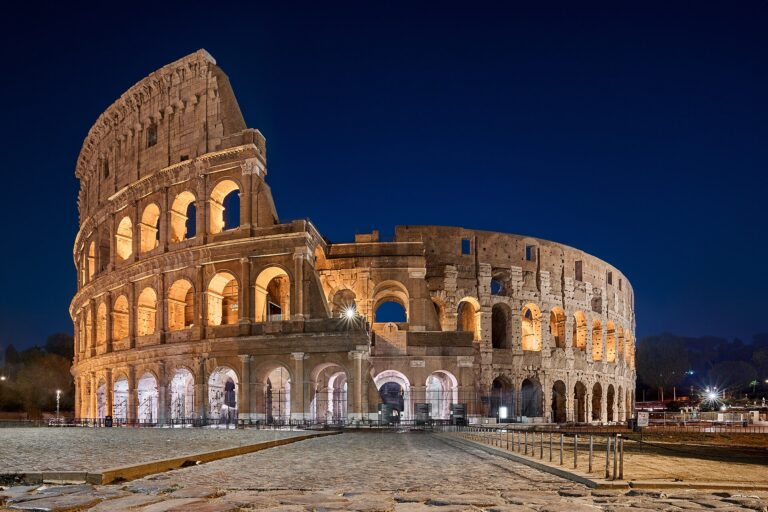
Rome 6-Day Itinerary: Colosseum, Vatican, Trevi Fountain
AuthorMIRUTOBE editors
Table of Contents9 items
- Itinerary
- DAY 1 The Trevi Fountain goes back to being free after 22:00
- DAY 2 The Colosseum ticket ties a time slot to an identity check
- DAY 3 At the Vatican, take the free basilica first and the paid museum second
- DAY 4 The fountains and the squares join up on foot, with no metro at all
- DAY 5-6 The last day starts by settling the lodging tax
- Alternatives
- Where to stay
- What this trip costs
Four nights in Rome on three pillars: the Colosseum, the Vatican and the Trevi Fountain. On the ground the two of you spend EUR 175.00. The sights are packed into walking distance, so transport is light and what shapes the route instead is which places need booking and which days they close.
Itinerary
DAY 1The Trevi Fountain goes back to being free after 22:00
Why this order: nothing that needs booking goes on day one. Visit one thing that is open late and is better late than early.
What changed most in Rome is the Trevi Fountain. From 2 February 2026 there is a EUR 2 charge to enter the area inside the fountain. Residents of Rome and the metropolitan area, under-6s, disabled visitors with one companion and licensed guides go free. No timed booking is required, and the ticket is sold open, without a date on it.
The charged period ends at 22:00, and after that anyone can look at it for nothing. On an evening arrival that window is available as it stands. Drop the bags, eat, and walk over after ten. The barriers and the one-way entry and exit have finished by then, so you can look at the water without being carried along by the crowd.
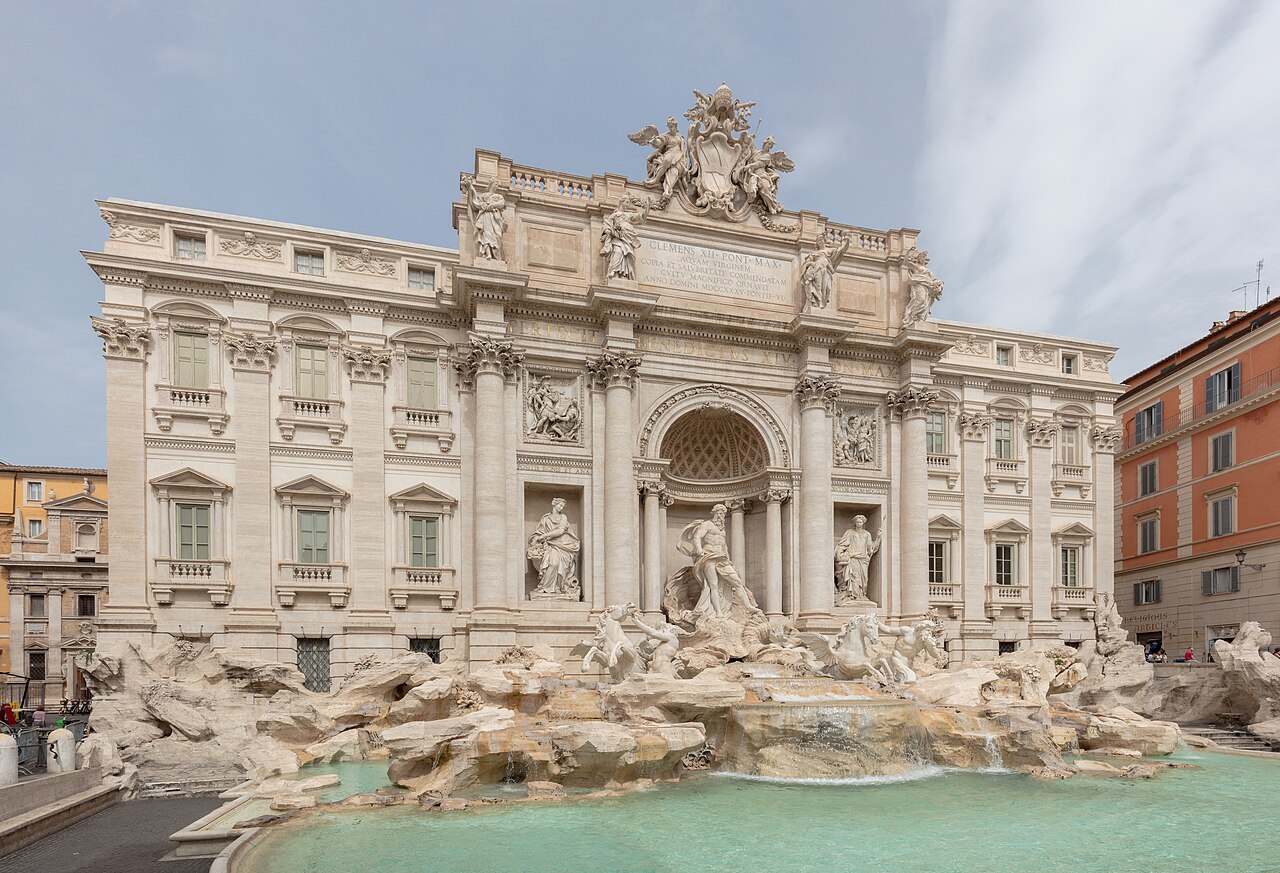
Highlights: a baroque fountain where a wall close to 20 metres wide is entirely filled with figures and rockwork. Because of the story that a tossed coin brings you back, there are always coins on the bottom. What differs between day and night is the lighting; after dark the shadows on the sculpture deepen.
Practical note: the charged hours are 11:30 to 22:00 on Mondays and Fridays and 9:00 to 22:00 on the other days, with last entry at 21:00. Come in daylight and you need a ticket; come at night and you do not.
- Admission
- The area inside the fountain, EUR 2 (EUR 0 after 22:00)
- Nearest
- A walk from Barberini on metro line A
Afternoon: three ways in from the airport, EUR 10 apart
Fiumicino to Roma Termini is 32 minutes non-stop on the Leonardo Express at EUR 14, running every 15 minutes. The ordinary FL1 line from the same airport is EUR 8 and takes 48 minutes to Tiburtina, every 15 minutes on weekdays. The SIT Bus Shuttle is EUR 7 to Termini, or EUR 13 return.
There is a trap here. Neither the city travelcards, the Roma 24H, 48H and 72H, nor the single BIT ticket is valid on the Leonardo Express. Airport rail is priced separately. Land at Ciampino instead and buses 520 and 720 do take the BIT, which gets you into the city for EUR 1.50. Which airport you arrive at changes the cost of getting in by close to a factor of ten.
Entry procedure has changed over the past two years. A Japanese passport needs no tourist visa for 90 days in any 180 under the Schengen rules, but the EES border system went to full operation on 10 April 2026, and fingerprints and a facial image are taken on entry. ETIAS, the electronic travel authorisation, is expected in the fourth quarter of 2026 and the European Commission has not yet published a start date.
What catches people at the hotel is the power. Italy runs 230 V on type C and type F plugs. Japanese 100 V-only equipment will break if it goes straight into the wall. Phone and camera chargers generally take up to 240 V, so an adapter is enough for those, but check what is printed on a hairdryer or a shaver before you leave.
DAY 2The Colosseum ticket ties a time slot to an identity check
Why this order: the combined ticket is valid for 24 hours, so the Colosseum and the Forum split across morning and afternoon on one ticket. Then walk north and finish at the Pantheon.
Two conditions on Colosseum entry will strand you on the day if you do not know them. One is that a timed booking is compulsory. The official site states the time slot as required, and this is not a place you can turn up at and walk into. Sales open 30 days before the date of the visit. The other is that the ticket is personalised: identification has to be carried and shown at entry, and a ticket in someone else’s name does not work.
Changing the name has been restricted too. For visits from 9 May 2026 onwards a name can be changed once only, up to midnight seven days before the visit, and only for a mistyped name or the wrong ticket type within the same order. Holding slots for a party before the itinerary is settled is no longer a way of buying. On the day you are asked to be at the entrance 15 minutes before your entry time.
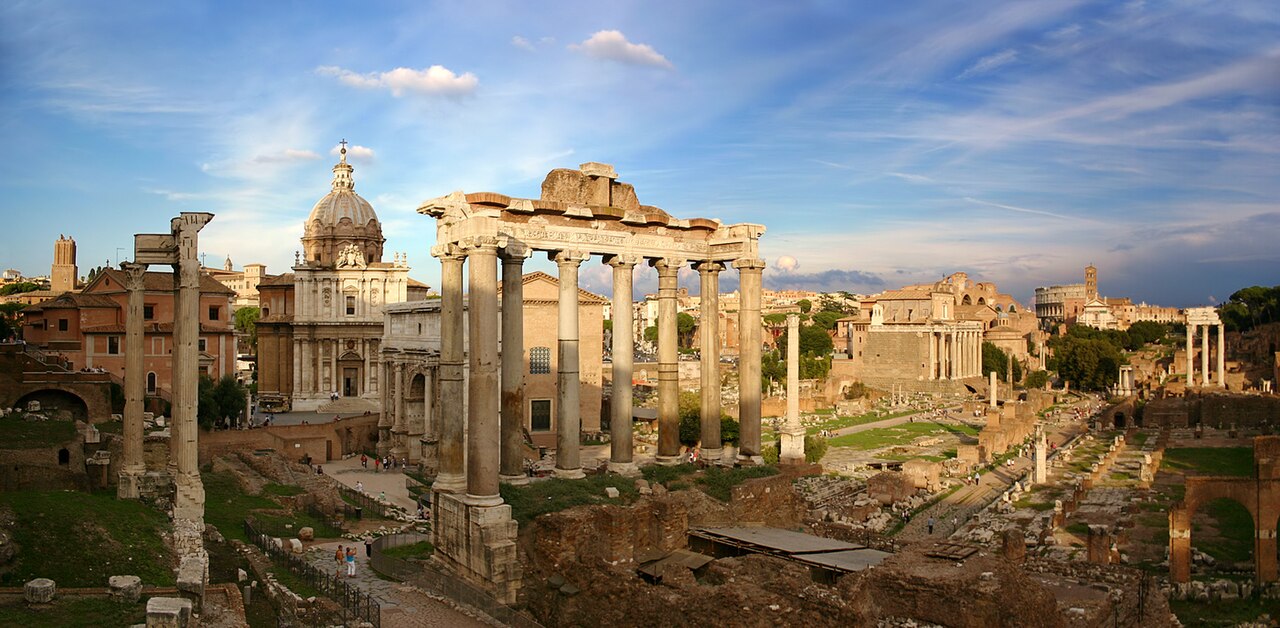
Highlights: a 24-hour combined ticket at EUR 18 covers all three sites. The Colosseum, said to have held 50,000 people, allows 75 minutes inside on that ticket. The Forum next door is what is left of the square that was the political and economic centre, and taking in the Palatine hill above it fills the whole afternoon. Standing on the arena floor or going down into the underground passages is a separate EUR 24 ticket, the Full Experience, valid over two consecutive days with 90 minutes inside the Colosseum.
Practical note: the first Sunday of each month and 25 April, 2 June and 4 November are free, but free tickets cannot be booked and are handed out at the window first come first served. If the itinerary lands on one of those days, moving to a paid day is the more reliable way in.
- Admission
- 24-hour combined ticket EUR 18 (no booking fee added online)
- Hours
- Colosseum from 8:30; Forum and Palatine from 9:00. Late March to late September closes 19:15 (last admission 18:15)
- Closed
- 25 December, 1 January
- Nearest
- Colosseo on metro line B
Closing time moves a long way through the year here, which is the other thing about this site. From 29 March to 30 September it stays open to 19:15, and from 25 October to the end of February it shuts at 16:30 with last admission at 15:30. In winter the usable afternoon is close to three hours shorter, and an arrangement that puts the Forum in the morning and the Colosseum after it does not finish.
Evening: the Pantheon went from EUR 5 to EUR 7 in July 2026
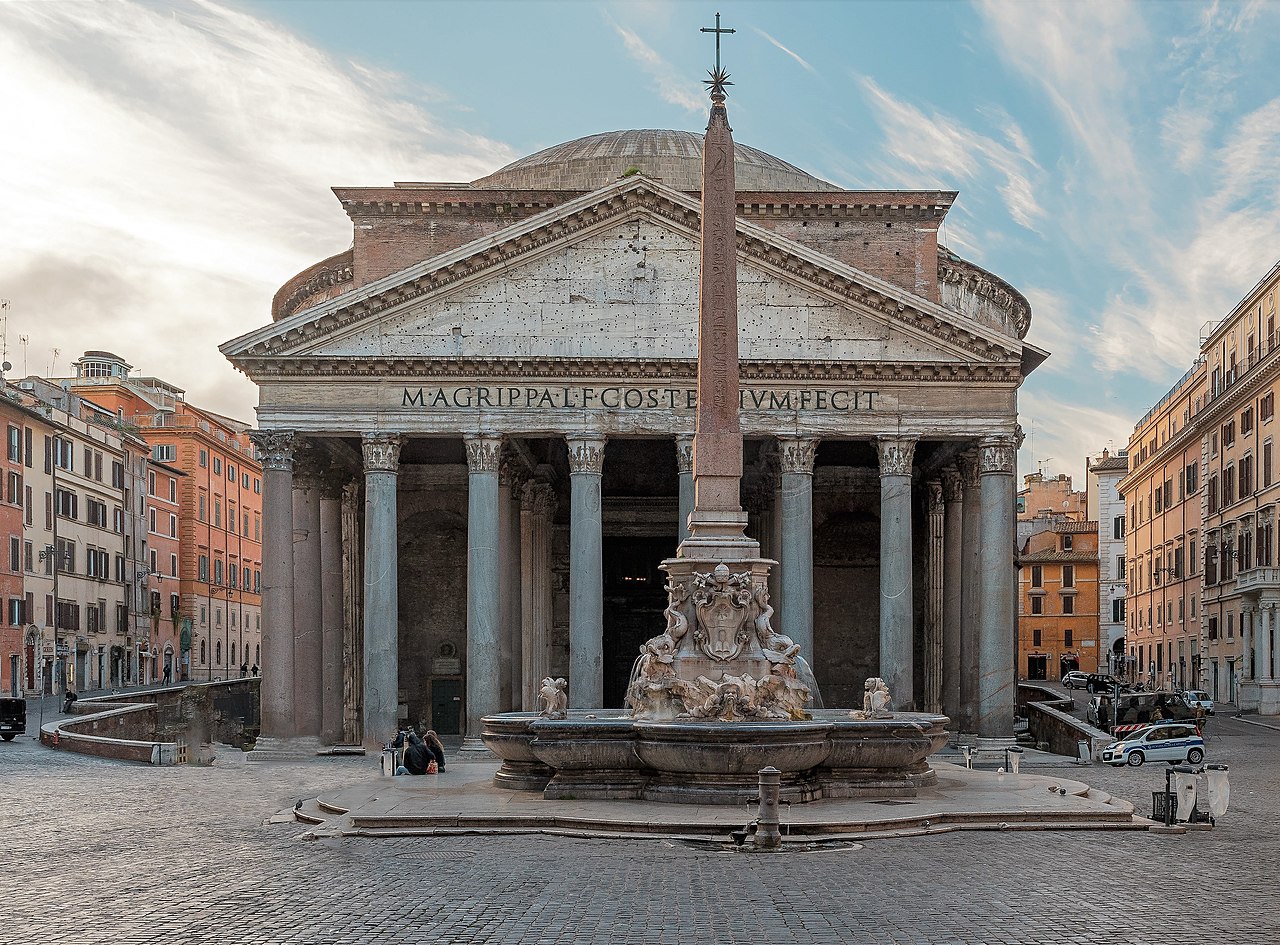
Highlights: a dome 43 metres across with a hole about nine metres wide at its crown, the oculus, dropping light through the middle. Two thousand years on it is still the largest unreinforced concrete dome in the world. It is around 15 minutes on foot from the Forum, which makes it the right close to a day of ruins.
Practical note: admission has been EUR 7 since 1 July 2026, under a new agreement between the culture ministry and the diocese of Rome, with the extra EUR 2 going to support local libraries. Ages 18 to 25 stay at EUR 2 and residents of Rome are free. The first Sunday of each month is free for everyone.
- Admission
- General EUR 7 (ages 18–25 EUR 2)
- Hours
- Daily 9:00–19:00 (the two official pages give last admission as 18:30 and as 18:45)
- Closed
- 1 January, 15 August, 25 December
- Booking
- Not required; buy at the door
The last admission times disagree: the Pantheon’s own site says 18:45 and the Rome tourist board says 18:30, with the ticket desk closing at 18:00. Arriving close to the end of the day, work on buying the ticket by 18:00.
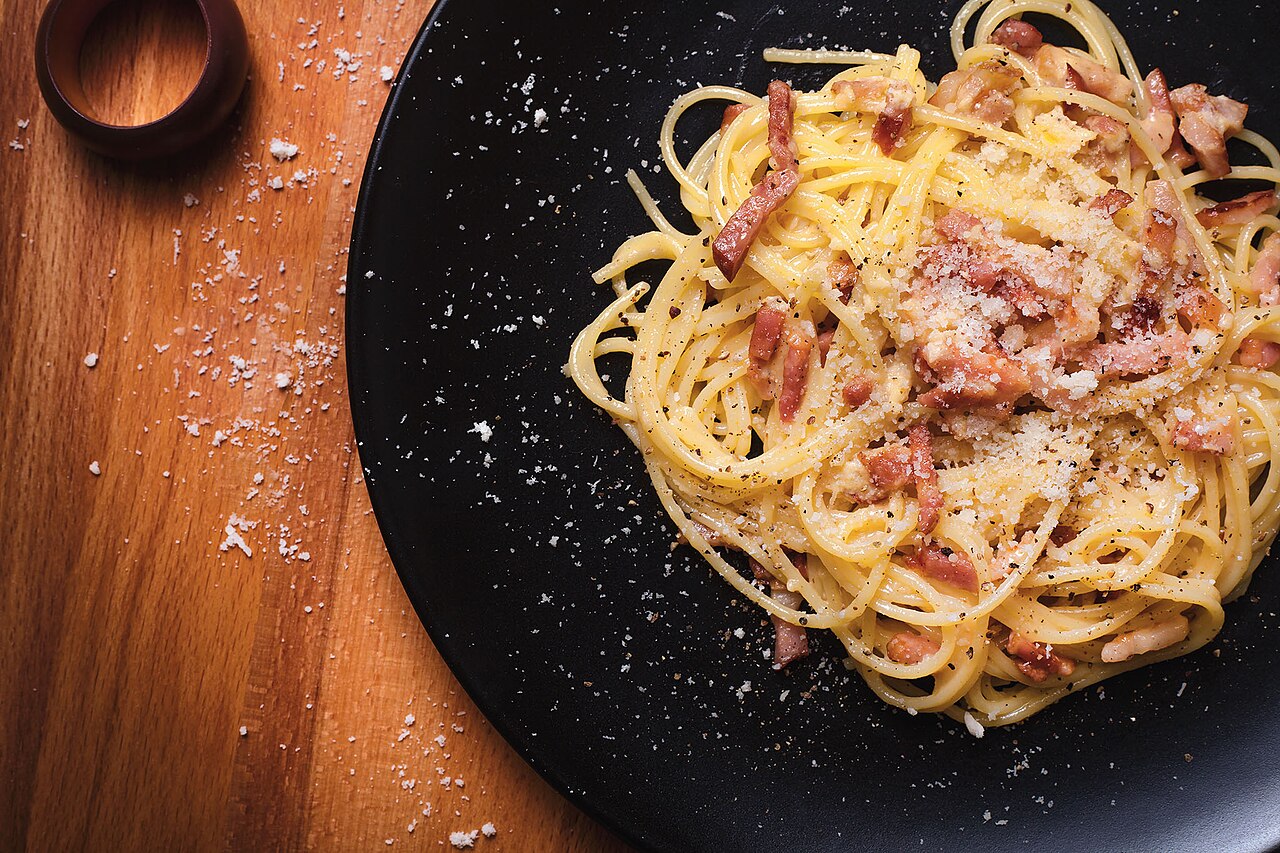
Dinner is around the Pantheon. The pastas that started in Rome are carbonara, cacio e pepe and amatriciana, all made from few ingredients, which is what makes the difference between kitchens visible. Carbonara properly uses no cream; the emulsion is egg, cheese and pepper. For something other than pasta, saltimbocca layers veal with prosciutto and sage. Pizza al taglio, sold by weight, suits lunch, and few places selling it are open in the evening.
DAY 3At the Vatican, take the free basilica first and the paid museum second
Why this order: the security queue at the basilica is shortest first thing, and the wave of entries at the museum settles in the afternoon. So the free side goes first.
The Vatican Museums close on Sundays. The exception is the last Sunday of each month, when they open 9:00 to 14:00, last admission 12:30, free. That does not happen in years when it falls on Easter Sunday, 29 June, 25 December, 26 December or 31 December. A departure date that puts day three on a Sunday keeps you out of the museum unless it is the last Sunday.
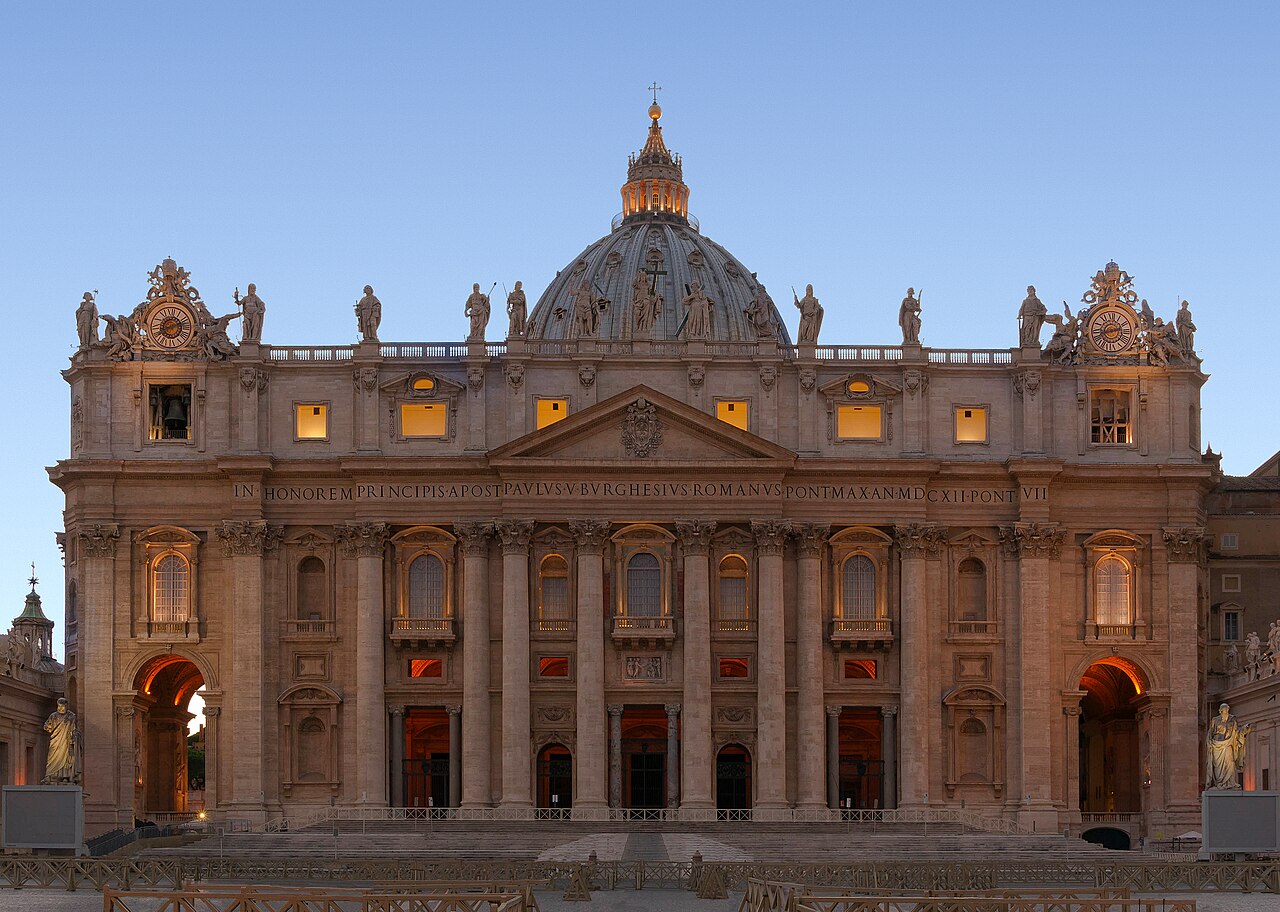
Highlights: there is no ticket for the basilica itself; you queue for security and walk in. The main things to see are the Pietà, carved by Michelangelo at about 25, and Bernini’s baldachin. Climbing the dome gives you the square and the city from above, and that part is charged, sold as a product combined with entry to the basilica.
Practical note: there is a dress code. Very short clothing, sleeveless tops and hats are refused. Shoulders and knees have to be covered even in summer. A dome ticket bought on the official site is EUR 17 for the stairs alone and EUR 22 with the lift, while the window on the right-hand side of the colonnade sells the same at EUR 10 and EUR 15.
- Admission
- Basilica EUR 0; dome, official online, stairs EUR 17, with lift EUR 22; at the window EUR 10 and EUR 15
- Hours
- Basilica 7:00–20:00 (from June); dome summer 7:00–18:00, winter 7:30–17:00
- Nearest
- Ottaviano on metro line A
Even with the lift, the 320 steps from the terrace to the top are your own. Choosing the stairs adds the 231 up to the terrace, 551 in total. What the extra EUR 5 on the lift ticket removes is only those 231 steps. The EUR 7 by which online exceeds the window has nothing to do with steps: it buys timed entry and an audio guide for the basilica. Planning to queue first thing, you do not have to pay it.
Afternoon: the Vatican Museums are EUR 20 at the window and EUR 25 online
The general rate at the Vatican Museums is EUR 20, and that is the price at the window. Booking ahead on the official site adds a EUR 5 reservation fee, making EUR 25. For two that is a EUR 10 difference, and what the EUR 10 buys is the right not to stand in the queue. On dates that cannot move, that EUR 5 is worth paying. The only official ticket sale is tickets.museivaticani.va, and the Vatican itself warns about counterfeit sites.
Highlights: the Sistine Chapel comes at the end of the route, the room with Michelangelo’s ceiling and the Last Judgement, and reaching it takes you through the Raphael Rooms and the Gallery of Maps. The route is one way, so there is no seeing the chapel and leaving. Allow three hours and it does not become a march.
Practical note: no photography and no talking inside the chapel. It opens Monday to Saturday 8:00 to 20:00 with last admission at 18:00, and you are asked to leave 30 minutes before closing.
- Admission
- Window EUR 20; official online EUR 25 (including the EUR 5 booking fee)
- Closed
- Sundays (except the last of the month), 1 January, 6 January, 15 August and other holidays
- Last Sunday
- 9:00–14:00 (last admission 12:30), free
Chasing the free last Sunday is not what I would do on this route. It is open for five hours and the whole world turns up on that day. The morning goes into the queue and the margin for the basilica and the dome disappears. Paying EUR 25 and going in on a weekday afternoon gets you more in the same hours.
DAY 4The fountains and the squares join up on foot, with no metro at all
Why this order: transport costs nothing today. Piazza Navona, the Trevi Fountain and the Spanish Steps sit inside a 30-minute walking radius.
Central Rome keeps short distances between its sights. Piazza Navona to the Pantheon is five minutes on foot, the Pantheon to the Trevi Fountain ten, the Trevi Fountain to the Spanish Steps another ten. A day covering those four needs no metro at all. That this is a walking city shows up in the cost table as much as anywhere.
Highlights: a long oval square, which is the shape of the ancient stadium underneath it. At the centre is Bernini’s Fountain of the Four Rivers, with figures personifying the Nile, the Ganges, the Danube and the Río de la Plata around the basin. Street performers and portrait artists are permanently there, and the cafes with seats get more expensive the closer they are to the square.
Practical note: terrace tables on the square carry a cover charge. One lane back the same gelato costs less, and there are steps to sit on.
- Entry
- EUR 0
- Nearest
- Five minutes on foot from the Pantheon
Afternoon: sitting on the Spanish Steps costs EUR 250
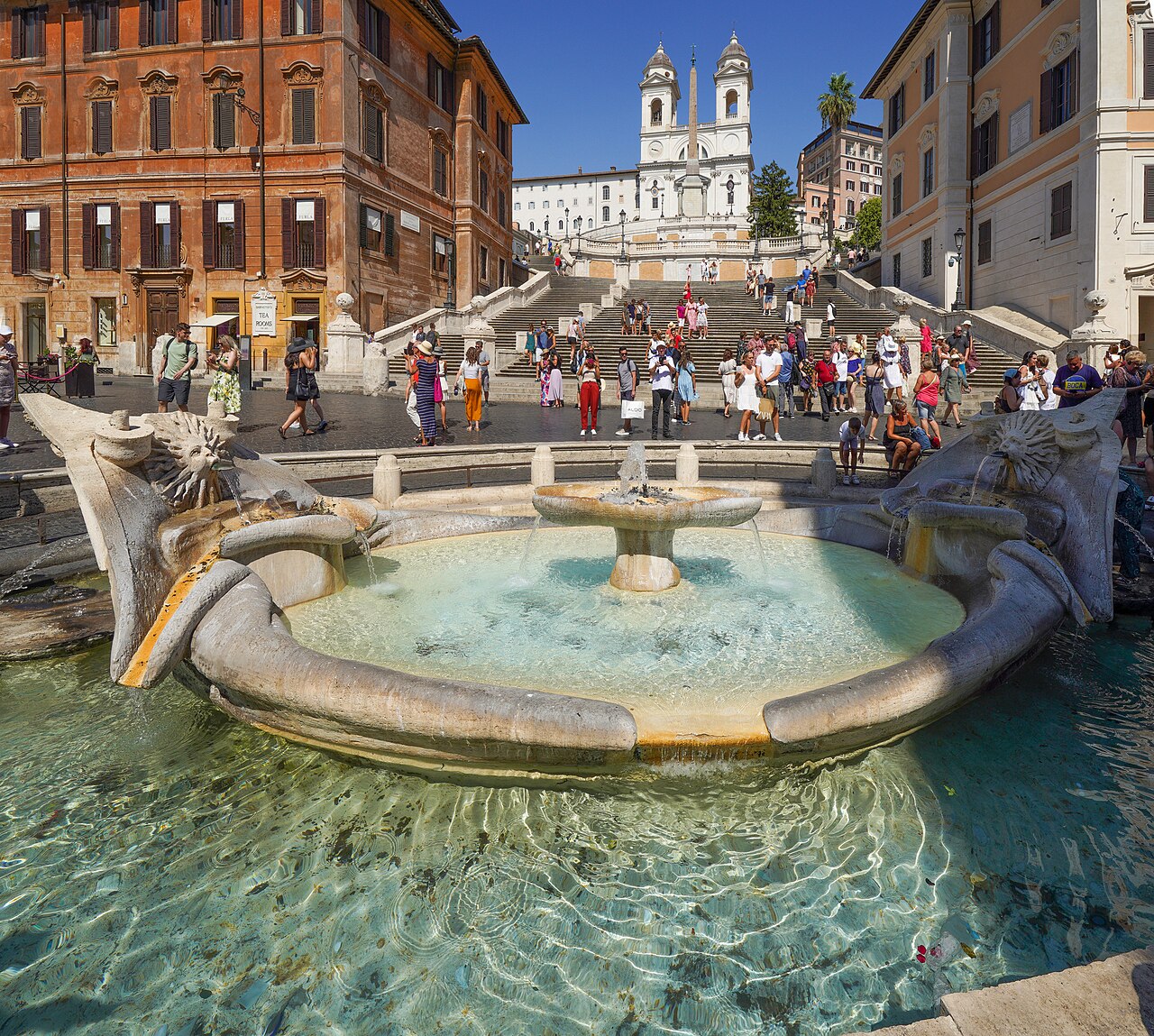
Highlights: 135 steps fanning outwards up to the church of Trinità dei Monti. In spring pots of azaleas are set along them. It is the place a film made famous, and doing the same thing now brings a fine.
Practical note: article 4 of the Rome urban police regulation, resolution 43 of the capital’s assembly in 2019, prohibits sitting on fountains or steps attached to historic and artistic property. The reduced settlement is EUR 250. The text does not name the Spanish Steps; it covers the appurtenances of monuments generally.
- Entry
- EUR 0
- Sitting
- Prohibited (fine EUR 250)
- Nearest
- Spagna on metro line A
There is a second rule about these steps. Article 19 of the same regulation names the Trinità dei Monti steps specifically and prohibits hauling suitcases or pushchairs up them. That is the article where the staircase is named. Anyone coming straight from the airport to a hotel in this area has to think about how the luggage moves first.
To go inside the Trevi Fountain in daylight, buy the EUR 2 ticket today. Having seen it free on the first night, some people still want it in daytime light. The ticket has no date or time on it, so it is bought on the spot. It is neither refundable nor changeable.
DAY 5-6The last day starts by settling the lodging tax
Why this order: secure the cash settlement and the journey to the airport first, and give shopping whatever is left.
Rome’s lodging tax is paid locally as a rule and billed at checkout. The amount depends on the type and grade of the property: a four-star hotel is EUR 7.50 per person per night. Four nights is EUR 30 a head, EUR 60 for two. Three stars is EUR 6, five stars and above EUR 10, and a hostel EUR 3.50. It is capped at ten consecutive nights in the same property, and children under ten are exempt.
That EUR 60 is frequently outside the price shown on a booking site, and it is where people are surprised on arrival. Cities take different approaches to it, and the range is set out in five cities recalculated to a per-night figure.
Go back to the airport the way you came. International departures from Fiumicino are mostly morning to midday, and counting backwards from being at the airport two hours ahead puts you out of the city very early. Whether there is time to shop depends on the flight.
Alternatives
Rainy-day swap
Day two is the weakest. The Forum and the Palatine are roofless ruins on earth and stone, hard to walk in the wet, and everything you came to look at is outdoors. The spectator levels of the Colosseum have no roof either. The combined ticket is valid for 24 hours, though, so you can do the Colosseum alone in the morning and move the Forum to the next morning.
Day three is the rain-resistant one, with the basilica and the museum both indoors. The fountains and squares on day four are outside but are short visits, walkable under an umbrella. Where the forecast is readable, swapping days two and three is what works best. Whether the Vatican Museums booking can move is what decides it.
In summer the heat is the problem rather than the rain. The Forum in July and August has almost no shade, and an afternoon there is punishing. Going in that season, run the ruins from the 08:30 opening and retreat indoors after midday.
If the flight is delayed by an hour or more
Because day one holds nothing that needs booking, a late outbound costs only the Trevi Fountain at night. Paying EUR 2 in daylight on day four substitutes for it.
The problem is the Colosseum on day two. The timed booking is compulsory and a missed slot is not admitted, and because the ticket is personalised it cannot be passed on either. To build in the possibility of a delay, take a slot from 10:00 rather than the 08:30 opening.
On the way home, leave margin only for getting from the city to the airport. The Leonardo Express runs every 15 minutes, but Termini is the largest terminal in Rome and moving through it takes time. With a bag to check, work on leaving the city three hours before departure.
When you’re tired
The Palatine goes first and the dome second. The Palatine is inside the combined ticket, so dropping it returns no money, but it frees an hour and the climb. The dome saves EUR 17 and removes 551 steps, which is EUR 34 back for two.
What must not be cut is the Vatican Museums. The route is one way with no turning back, and it is a place you know will take three hours once you are in, so it needs a day with something left in you. To shorten day three, dropping the dome and keeping the museum is the correct cut.
Who this route does not suit is anyone who cannot walk far on cobbles. The old town of Rome is paved in sampietrini, angular setts that wear down suitcase wheels and ankles in equal measure. Day four is cobbled almost end to end with no realistic metro escape. With any doubt about your feet, making day four a half day with taxis between the stops is the practical version. Within Europe, the Barcelona four-night plan puts the metro close to each sight, so the walking is lighter there.
Where to stay
Choosing a room in Rome comes down to arrival route from the airport against walking distance to the old town. This route leans heavily on walking, so the closer to the old town the shorter each day gets. Old-town rooms cost more, though, and the stretch you drag a suitcase over cobbles gets longer.
Around Termini the strength is a single point: the Leonardo Express arrives there. The distance walked with luggage is at its shortest, and both metro lines A and B are available. The Colosseum on day two and the Vatican on day three are each one line away. The atmosphere at night is scruffier than the old town, and whether that is acceptable is the deciding question.
Around the Pantheon and Piazza Navona, the whole of day four falls inside walking distance. Planning to be out at night this is the most comfortable base, and the Trevi Fountain after 22:00 is a walk away. The drawback is distance from a metro station, so the Vatican on day three means a bus or a long walk. Coming in from the airport on arrival day is harder work over the cobbles too.
Around the Vatican, in Prati, the morning of day three starts outside the door. The security queue at the basilica is shortest early, so a location that lets you be in it before eight earns its keep. The district is laid out on a grid with wide pavements, which also makes it the easiest for luggage. In exchange, days two and four are reached by metro.
Book in three stages: flights, the Colosseum and Vatican time slots, then the room. In Rome the admissions come before the hotel, because the Colosseum goes on sale 30 days out and the slots are fought over, so building the rest around the slot you got is the surer way. Tours and dated tickets on the ground are on Klook’s Rome listings, searchable by date.
Splitting how you pay is worth doing. Pickpocketing is common on the metro and at the sights, and losing the wallet takes the cash and the cards together. Carrying two cards on different networks, kept apart, is the practical answer.
What this trip costs
Assumptions: two adults, arriving at Fiumicino and using the Leonardo Express both ways, with the Vatican Museums booked on the official site. Flights, rooms and meals are out of the total because they move on the same dates. The metro count comes from the route itself: two journeys on day two, two on day three and one on day five, five in all. Day four is walked end to end, at zero.
Every figure above is the published rate as of 2026-09-14. The yen conversion uses the European Central Bank reference rate of 2026-09-11, JPY 178.56 to the euro. Which of the Pantheon’s two published last-admission times is correct is not confirmed.
On top of that EUR 175.00 there is one thing you will certainly pay on the ground, the lodging tax: EUR 60 for two over four nights in a four-star. It is outside the table because the amount is not fixed until the grade of the hotel is.
Above that sit flights, rooms and food, all three of which spread by your own conditions. The airfare moves most, close to doubling between a non-stop and a connection and between seasons. Rooms come next: in Rome the closer to the old town the dearer, and the same grade prices differently around Termini and around Navona. Food is predictable if lunch is pizza al taglio and only dinner is a trattoria. Terrace tables on a square carry a cover, so the same plate costs more there than in a shop down a lane.
Looking at the split, the EUR 56 airport return is most of the transport. The metro inside the city is five journeys and EUR 15. Switching to the FL1 ordinary train takes EUR 24 off the return and brings the total to EUR 151, so 16 extra minutes buys back EUR 24 for two.
Whether to buy a city travelcard is decided by that same count of five. Roma 24H is EUR 8.50, 48H EUR 15 and 72H EUR 22. The 24H card pays for itself at six BIT journeys of EUR 1.50, and this route makes five per person across the entire trip, so it never gets there. Travelcards start working on a day with six or more journeys in it, and a walking route cannot produce one.
There are two places to cut the admissions. Buying the Vatican Museums at the window takes EUR 10 off for two, at the price of standing in the queue. Buying the dome ticket at the window on site is EUR 14 for two against EUR 34 online, EUR 20 less, and choosing not to climb removes it entirely. Going the other way, the EUR 24 Colosseum ticket for the arena and the underground adds EUR 12 for two.
Durations and time on site are built from published opening hours and normal visit lengths. For another European itinerary over a similar number of nights, Santorini and Athens over five nights takes a close shape, with timed entry at the archaeological sites in the same way.
Sources: the Colosseum Archaeological Park; the Vatican Museums; St Peter’s Basilica; the Pantheon; Roma Capitale (the Trevi Fountain, the urban police regulation, the lodging tax); ATAC; Trenitalia / the European Commission (EES and ETIAS) / European Central Bank reference rates / Checked on 2026-09-14 / Photographs: Diego Delso, Stefan Bauer, Rabax63, Javier Somoza, Jebulon, WikiRomaWiki (Wikimedia Commons, CC0 / CC BY-SA 2.5 / CC BY-SA 4.0) / Featured image: Anil Öztas, CC BY 4.0 (Wikimedia Commons)
Other sales ending soon




 4 days leftuntil Oct 24Air Busan Takamatsu-Busan Coupon: Up to 9,000 Yen Off Until October 24
 5 days leftuntil Oct 25JAL Hong Kong Campaign: Tokyo–Hong Kong Round Trip from 75,800 Yen (until 25 Oct)
 11 days leftuntil Oct 31Jin Air Kobe–Seoul: 5,000 yen off a round trip with code KTOUKB1, until 31 October
 11 days leftuntil Oct 31Jin Air to Busan: 4,000 yen off a round trip with code KTOPUS, first 300 only