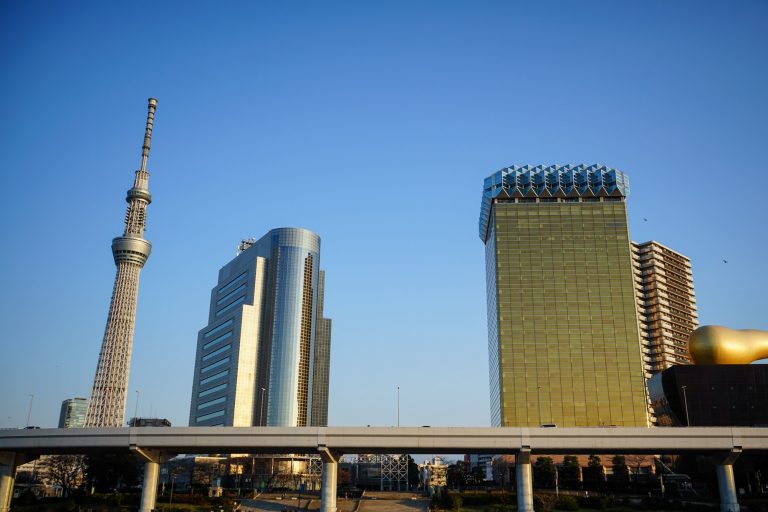
A First-Timer’s 5-Day Tokyo Model Course: The Highlights and a Plan to Follow
AuthorMIRUTOBE editors
Table of Contents10 items
- Itinerary
- DAY 1 From the quiet of the forest to a rooftop 229 metres up
- DAY 2 Asakusa to Akihabara is a straight line, none of it more than fifteen minutes
- DAY 3 Tsukiji from nine, Toyosu at the hour printed on your ticket
- DAY 4 Mt Fuji is one coach and one ropeway away
- DAY 5 The last day walks from Tokyo Station to the site of Edo Castle
- Alternatives
- Why we skipped the pandas at Ueno Zoo
- Where to stay
- What this trip costs
Four nights in Tokyo split five ways — Shibuya, Asakusa, Toyosu, a day out to Mt Fuji, the Imperial Palace — and no rental car. On the ground the two of you spend JPY 43,580. Buy SHIBUYA SKY and teamLab Planets first: both sell timed entry.
Itinerary
DAY 1From the quiet of the forest to a rooftop 229 metres up
Why this order: Meiji Jingu, Harajuku and Shibuya sit in a line outside the Yamanote loop and connect by walking south. The only fixed time is a ticket in the late afternoon, so the morning starts on the quiet end.
Morning: the closing time moves every month
Meiji Jingu has no fixed opening hours. The gates follow sunrise and sunset and are set month by month: 06:40 to 16:20 in January, 05:00 to 18:30 in June, 05:20 to 17:20 in September, 06:40 to 16:00 in December. Between summer and winter the closing time swings by two and a half hours, which is enough to decide whether this morning holds one thing or two.
There are three entrances, and from any of them the main shrine buildings are about ten minutes’ walk. The grounds cover the equivalent of fifteen Tokyo Domes. Worship itself is free; the only paid parts are the inner garden and the Meiji Jingu Museum.
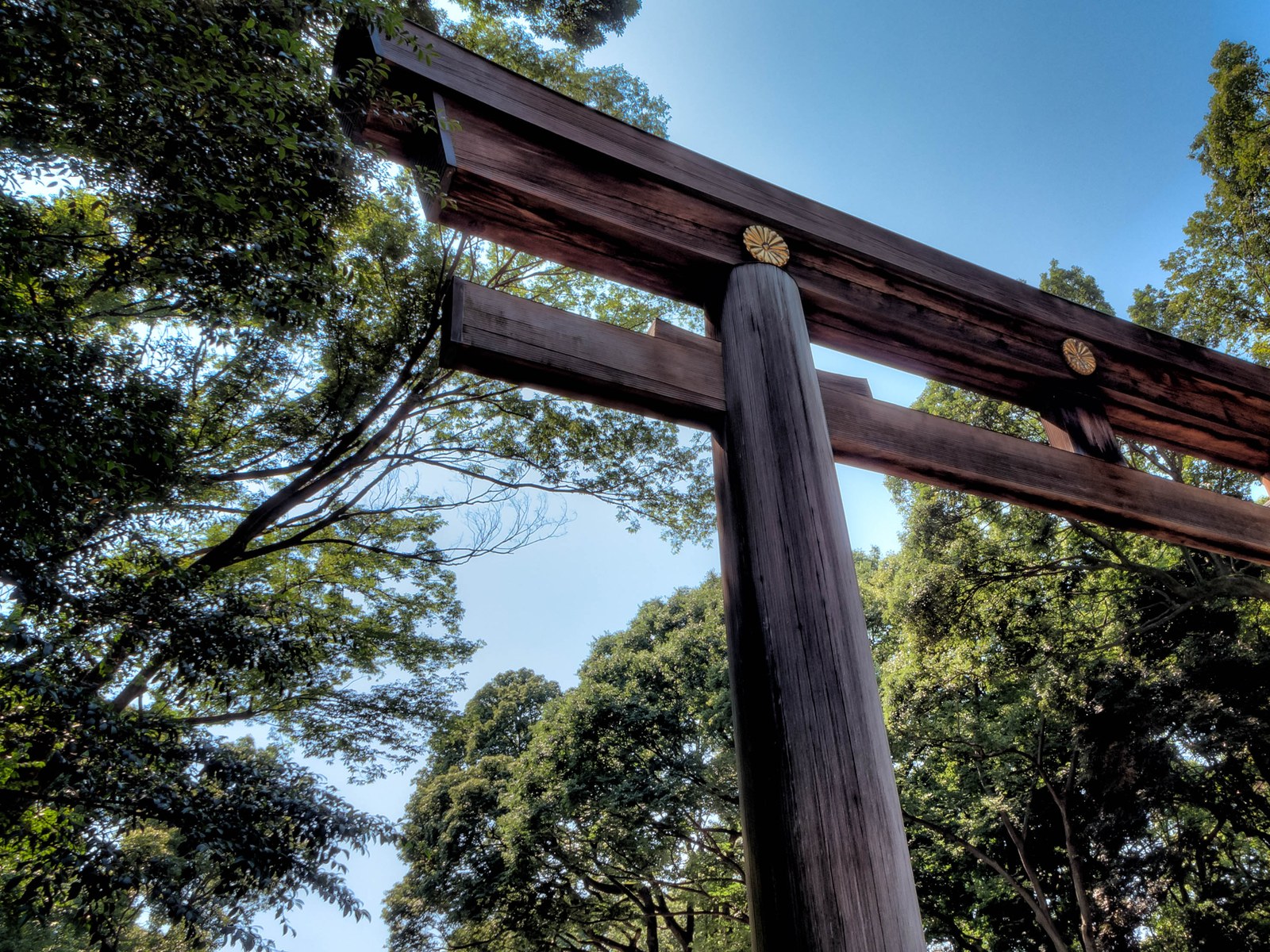
Highlights: the forest along the approach is not natural woodland. It was planted at the shrine’s founding from roughly 100,000 trees donated from across the country, and 110,000 young men worked on the construction as volunteers. A century on, the inner grounds that began with about 120,000 trees of 365 species held about 36,000 trees of 234 species when surveyed in 2013 — the forest replaced itself.
Practical note: the Inner Garden costs JPY 500. It opens 09:00–16:30 from March to October and 09:00–16:00 from November to February, and June alone extends to 08:00–17:00, or 18:00 at weekends. That June exception exists for the iris field, which holds about 1,500 plants of some 150 varieties. Kiyomasa’s Well inside the garden yields about 60 litres a minute and stays near 15 degrees all year; its water leaves the south pond, passes under the bridge on the southern approach and drains into the Shibuya River.
- Nearest
- JR Harajuku or Meiji-jingumae subway; three entrances, each about 10 minutes from the main buildings
- Hours
- Set monthly by sunrise and sunset (January 06:40–16:20; June 05:00–18:30)
- Admission
- Shrine free; Inner Garden JPY 500; museum JPY 1,000
- Official
- Official site ↗
Leave the forest on the Harajuku side and Takeshita Street is three minutes away. The street itself keeps no hours; its shops generally open from about 11:00. If shopping is the point, the first hour after opening is when you can actually walk down it.
Late afternoon: the same ticket costs JPY 700 more after 15:00
SHIBUYA SKY is the rooftop observation deck on Shibuya Scramble Square, 229 metres above the crossing. The price depends on the entry band you choose. Online, entry up to 14:59 is JPY 2,700 and entry from 15:00 is JPY 3,400. At the counter the same two bands are JPY 3,000 and JPY 3,700.
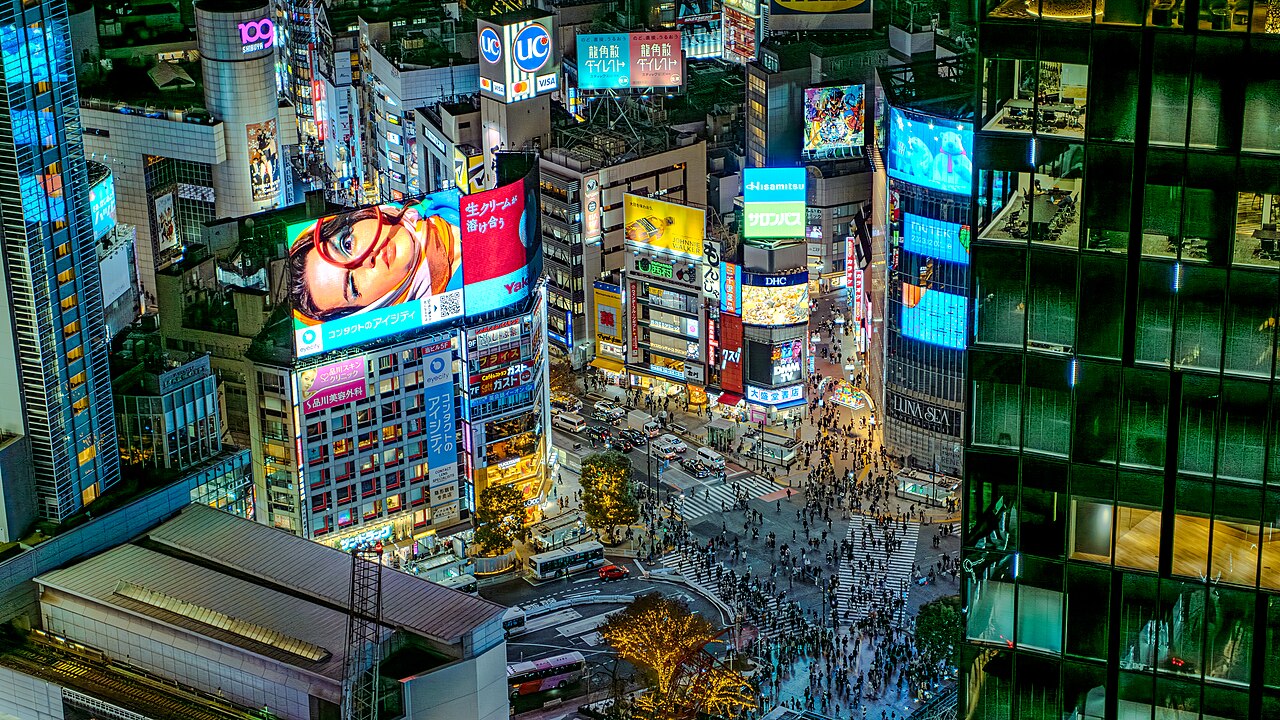
Highlights: an open rooftop and an indoor floor below it. The crossing is not directly underneath but off to one side. Take a slot about forty minutes before sunset and one admission gives you the city lit and the city dark.
Practical note: tickets are only sold two weeks ahead. Booking the moment your trip is fixed is impossible; you have to come back to the site a fortnight before you go. When the adult online allocation sells out for a date, the counter is sold out too. Children’s tickets, which include twelve-year-olds still in primary school, are sold at the counter on the day only, at JPY 1,200; under-sixes not yet in school go free. Sudden weather can close the roof without notice, and large bags including wheeled cases are not allowed up.
- Nearest
- Direct from Shibuya Station (Shibuya Scramble Square)
- Hours
- 10:00–22:30 (last entry 21:20)
- Admission
- Online adult JPY 2,700 up to 14:59, JPY 3,400 from 15:00 (counter JPY 3,000 / JPY 3,700)
- Booking
- Timed; on sale two weeks ahead only
- Official
- Official site ↗
Moving around the city on DAY 1 to DAY 3 runs on a 72-hour Tokyo Subway Ticket: JPY 2,000 for an adult, JPY 1,000 for a child, unlimited travel on Tokyo Metro and Toei subway lines. The catch is who may buy it. It is sold only to people arriving from outside Tokyo and the seven prefectures around it — Kanagawa, Saitama, Chiba, Ibaraki, Tochigi, Gunma and Yamanashi — which covers every overseas visitor and excludes anyone already living in the Kanto area. Outlets include convenience stores, Haneda and Narita airports, highway coach terminals, hotels and Tokyo Metro commuter pass offices.
DAY 2Asakusa to Akihabara is a straight line, none of it more than fifteen minutes
Why this order: Asakusa, Oshiage, Ueno and Akihabara stand in a row on the east side. The earliest opening of anything in the trip is the main hall at Sensoji, so the day starts there and works east, north, then south.
Morning: the hall opens at 06:00, or 06:30 in winter
This is the earliest you can start anywhere on this trip. The main hall of Sensoji opens at 06:00, and at 06:30 from October to March. It closes at 17:00 year round. The grounds and the hall are both free and nothing is booked.
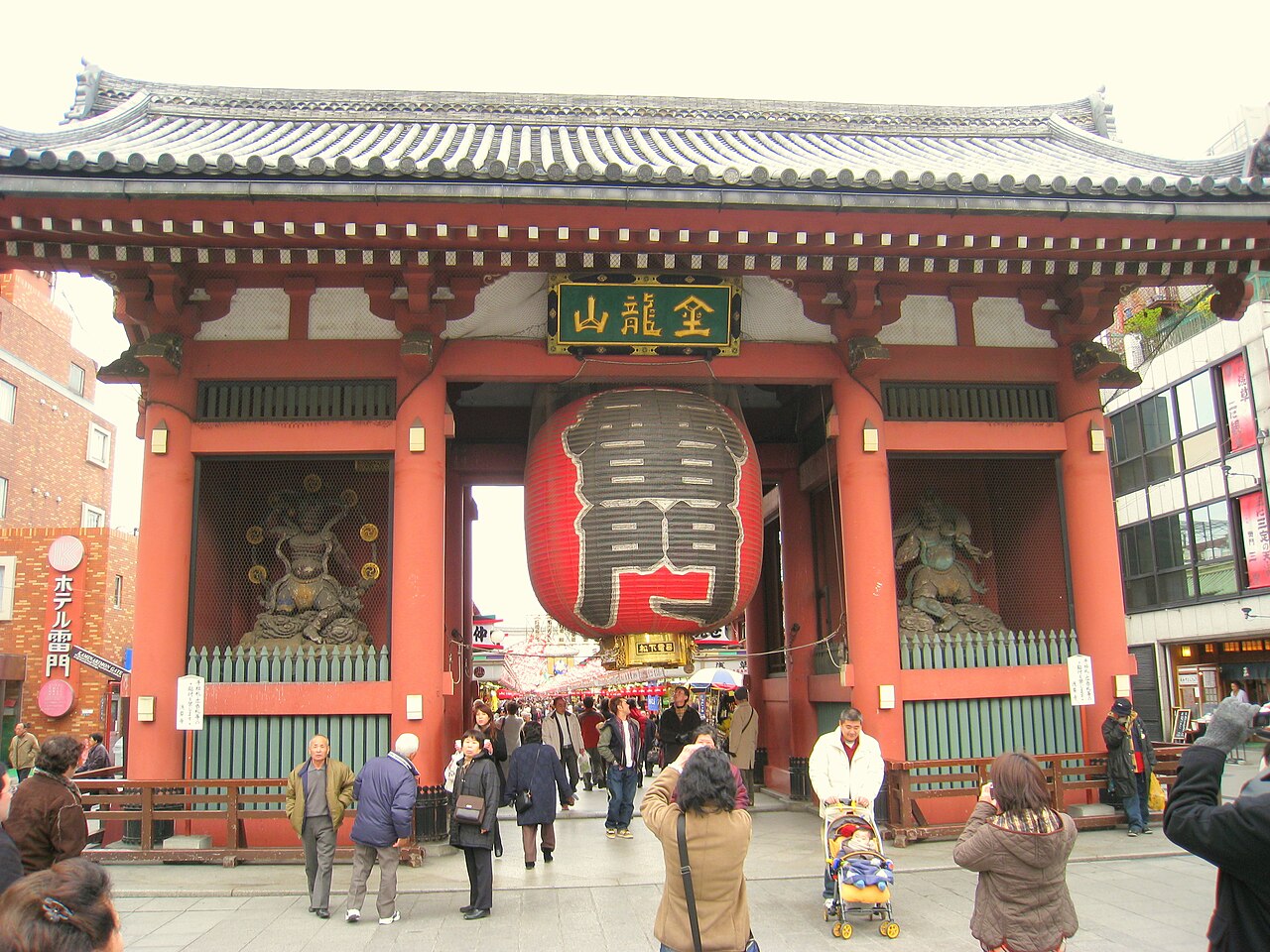
Highlights: Kaminarimon’s formal name is Furaijinmon, the gate of the wind and thunder gods. The lantern is 3.9 metres tall, 3.3 metres across and weighs 700 kilograms; it was replaced for the sixth time in April 2020, and a dragon is carved into its underside. The gate itself burned down in 1865 and stood unbuilt for 95 years until Konosuke Matsushita of Matsushita Electric paid for its reconstruction in 1960. The figures either side measure 2.18 metres for the wind god and 2.09 metres for the thunder god.
Practical note: Nakamise runs about 250 metres from Kaminarimon to the Hozomon gate. It dates from around 1685, which makes it one of the oldest shopping streets in Japan. Arriving before the shops open, go up to the main hall first and browse the street on the way back; the same hour then covers both. The hall is 34.5 metres across, 32.7 deep and 29.4 high, rebuilt in 1958 after the air raid of 10 March 1945. The temple’s founding is dated to 628.
- Nearest
- 5 minutes on foot from Asakusa Station (Ginza, Asakusa and Tobu lines)
- Hours
- Main hall 6:00–17:00 (from 6:30, October to March)
- Admission
- JPY 0
- Official
- Official site ↗
Afternoon: Skytree sells two decks, and only the upper one can be added on the day
There are two observation levels: the Tembo Deck at 350 metres and the Tembo Galleria at 450. Tickets come in two shapes, and that is where the money goes one way or the other.
Those are floor prices under a variable pricing system. The real figure for your date appears once you enter it on the booking site, so check it after the day is fixed. Buying at the fourth-floor counter or its machines adds JPY 500 per ticket — with one exception, the add-on for the Galleria, which carries no issue fee.
Which means that if you want to decide on the day whether to go up to 450 metres, buying the deck alone and adding on later is not the cheaper route. For an adult, JPY 1,800 plus JPY 1,400 comes to JPY 3,200 against JPY 3,000 for the combined ticket. Put the other way round: if you are undecided, the combined ticket saves you JPY 200 for deciding early.
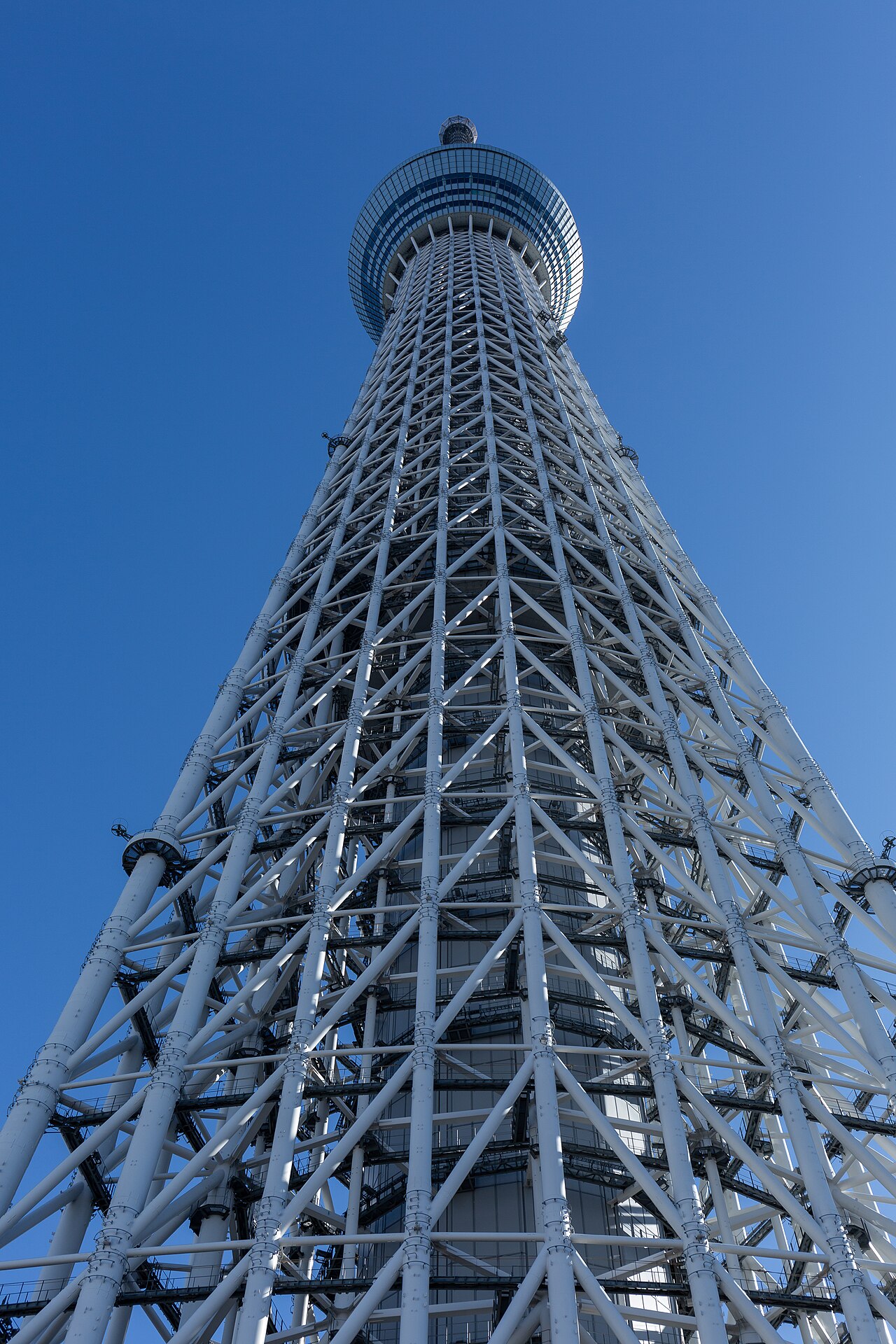
Highlights: the Tembo Deck is three storeys stacked at 350 metres. The Galleria at 450 is a gently rising glass-walled ramp that circles the tower once. Children of five and under, and under-sixes not yet at school, go free; child pricing runs to the end of junior high, and adult pricing starts at high school.
Practical note: opening hours change from day to day and are published as a calendar you check by date. The one constant is that last entry is an hour before closing. Turning up late intending to stay until the lights go out means not being admitted at all.
- Nearest
- Direct from Tokyo Skytree Station; one stop from Asakusa on the Tobu line
- Hours
- Published by date; last entry 1 hour before closing
- Admission
- Combined from JPY 3,000; deck only from JPY 1,800 (variable pricing)
- Booking
- Buying online is the safe route; the counter adds JPY 500 a ticket
- Official
- Official site ↗
Late afternoon: one attraction in Ueno, then one stop to Akihabara
Ueno Park holds both the Tokyo National Museum and Ueno Zoo, and at the end of a day one of them is enough. The museum’s regular exhibition is JPY 1,000 general and JPY 500 for university students, free for high school age and below and for anyone 70 or over, and it stays open until 20:00 on Fridays and Saturdays only. The zoo is JPY 600 general and JPY 200 for junior high pupils, free up to the end of primary school. Both close on Mondays.
Highlights: two halves, East Garden and West Garden, the latter holding the Panda Forest enclosure. There are no giant pandas: they went back to China in January 2026, which the next section deals with. What the zoo now puts forward is the shoebill, the western lowland gorillas, the red pandas and the golden pheasants. The main gate is five minutes from the Park Exit of JR Ueno.
Practical note: admission and ticket sales stop an hour before closing, so after 16:00 you cannot get in. In autumn the four evenings of 9 to 12 October 2026 run as Autumn Night Zoo with opening extended to 20:00, and those are the only dates on which arriving late in the afternoon works. Junior high pupils living or studying in Tokyo go free; over-65s pay JPY 300.
- Nearest
- 5 minutes from the Park Exit of JR Ueno (main gate)
- Hours
- 9:30–17:00 (admission until 16:00)
- Admission
- General JPY 600; junior high JPY 200; free to the end of primary school
- Closed
- Mondays (the next weekday if a public holiday); 29 December to 1 January
- Official
- Official site ↗
Ueno to Akihabara is one stop on JR. Come out of the Electric Town Exit and you are on Chuo-dori. The street is pedestrianised every Sunday from 13:00 to 18:00, or to 17:00 from October onwards, and it is cancelled in bad weather. Even while it is closed to traffic, bicycles have to be pushed rather than ridden.
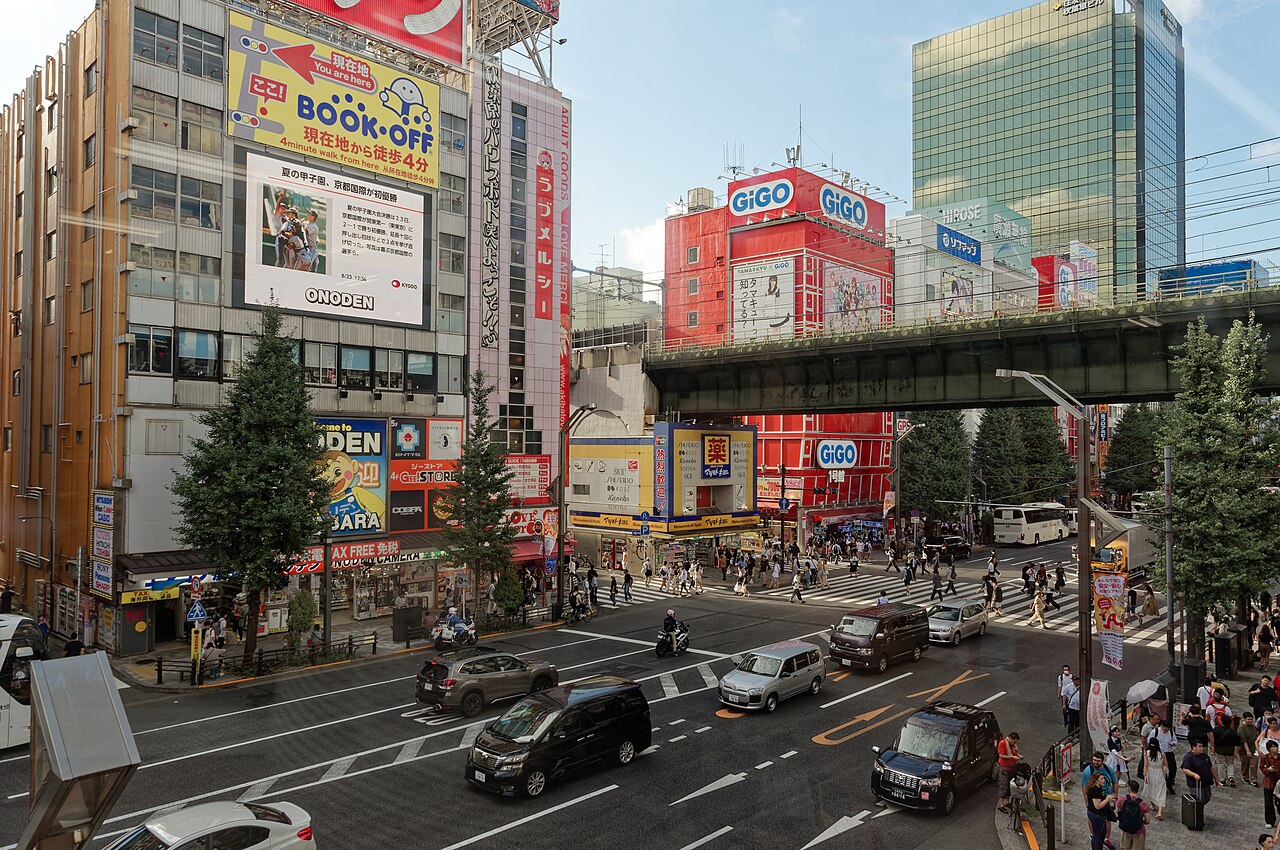
Highlights: electronics chains and anime and game specialists share the same street. Most buildings divide their stock by floor, so walking in without something specific in mind spends the hour on stairs and lifts.
Practical note: the pedestrian street runs Sundays 13:00 to 18:00, to 17:00 from October. If DAY 2 lands on a Sunday you can pull the Akihabara block into those hours. On a weekday, expect the pavements on Chuo-dori to be narrow.
- Nearest
- Straight out of the Electric Town Exit, JR Akihabara
- Walking
- JPY 0
DAY 3Tsukiji from nine, Toyosu at the hour printed on your ticket
Why this order: the bay side runs east to west in one line. At Tsukiji the rule is not to go as early as possible but to go after 09:00, so the morning does not need rushing.
Morning: before nine the market is not for visitors
The Tsukiji Outer Market divides its own day into three. From 06:00 to 09:00 the trade buys stock; 09:00 to 14:00 is ordinary retail; after 14:00 shops keep what hours they like. The first item on its published list of manners says it plainly: until nine, priority belongs to the people buying for their businesses.
The second is about eating as you walk: eating in the aisles is a nuisance to everyone else, so eat inside the shop or at the designated places. Look at the width of the lanes and the rule explains itself — these are not passages where two people and a skewer pass each other.
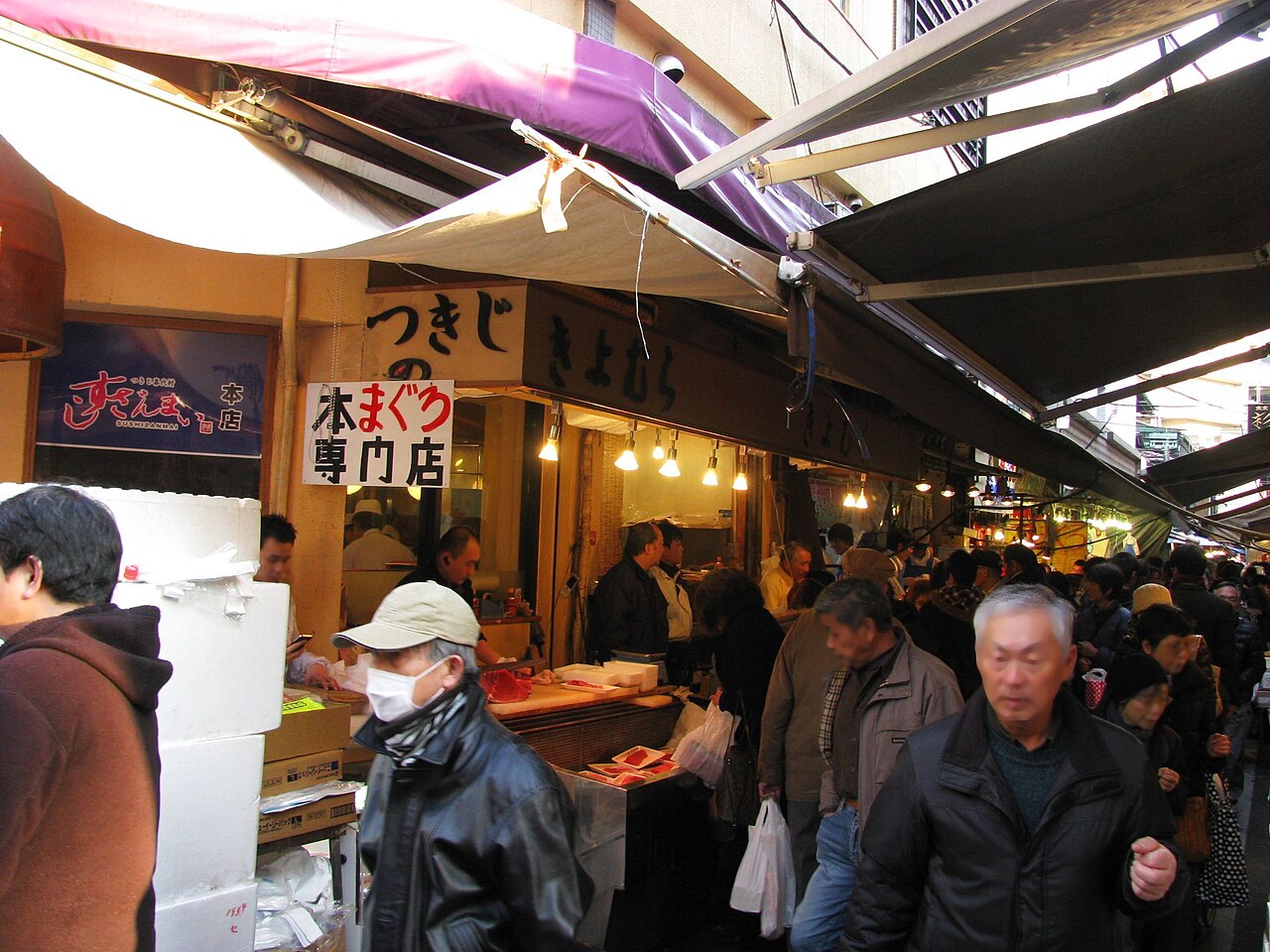
Highlights: fresh fish alongside tamagoyaki stalls, dried goods, knives and ceramics. Since what you buy has to be eaten inside a shop or at a designated spot, deciding where you will sit before you start buying makes the hour work.
Practical note: wheeled cases go in a coin locker. Pushchairs can be left at the Platto Tsukiji information centre. Closing days follow the Tokyo Metropolitan Central Wholesale Market calendar, so some weeks close on Wednesday as well as Sunday, and the market’s own guidance is to ask individual shops about their days.
- Nearest
- 1 minute from Tsukijishijo on the Toei Oedo line
- Hours
- 6:00–9:00 trade priority; 9:00–14:00 retail; 14:00 onwards as each shop chooses
- Entry
- JPY 0
- Official
- Official site ↗
Afternoon: you walk through water, so carry a spare pair of socks
The full name is teamLab Planets TOKYO DMM. It is in Toyosu, one minute on foot from Shin-Toyosu on the Yurikamome. The standard ticket is a timed Entrance Pass: JPY 4,000 for adults 18 and over, JPY 2,800 for junior and senior high pupils, JPY 1,500 for children aged 4 to 12, free at 3 and under, and JPY 2,000 for holders of a disability certificate.
There is also a Premium Pass with no fixed entry time, at JPY 12,000 for anyone aged 4 and over. Three times the price buys priority entry, and it exists for people who need certainty on a busy date rather than for ordinary visits.
Highlights: part of the route is walked barefoot through water, and it comes up to below the knee. Free lockers inside mean the big bags stay at the entrance rather than travelling with you.
Practical note: opening hours move by date — some days from 08:00, others not until 10:30 — so check the official calendar once you have a date. The museum states that it runs only to the end of 2027, which makes it one attraction you cannot leave for a future trip. A spare pair of socks makes the journey afterwards considerably better.
- Nearest
- 1 minute from Shin-Toyosu on the Yurikamome; 10 minutes from Toyosu on the Yurakucho line
- Admission
- Entrance Pass adult JPY 4,000; secondary pupils JPY 2,800; ages 4–12 JPY 1,500; 3 and under free
- Booking
- Timed entry required (variable pricing)
- Runs until
- End of 2027
- Official
- Official site ↗
One trap sits in the transport for this day. The Yurikamome is not covered by the Tokyo Subway Ticket. It charges by distance: JPY 190 to JPY 390 for an adult on a paper ticket, JPY 189 to JPY 388 on an IC card. The hop from Toyosu round to Odaiba is therefore paid separately from the pass. If you would rather fix the timed slots for this kind of attraction in advance and compare dates side by side, Klook lists Tokyo slots by day.
Evening: Odaiba, then Ginza, where the street closes at weekends
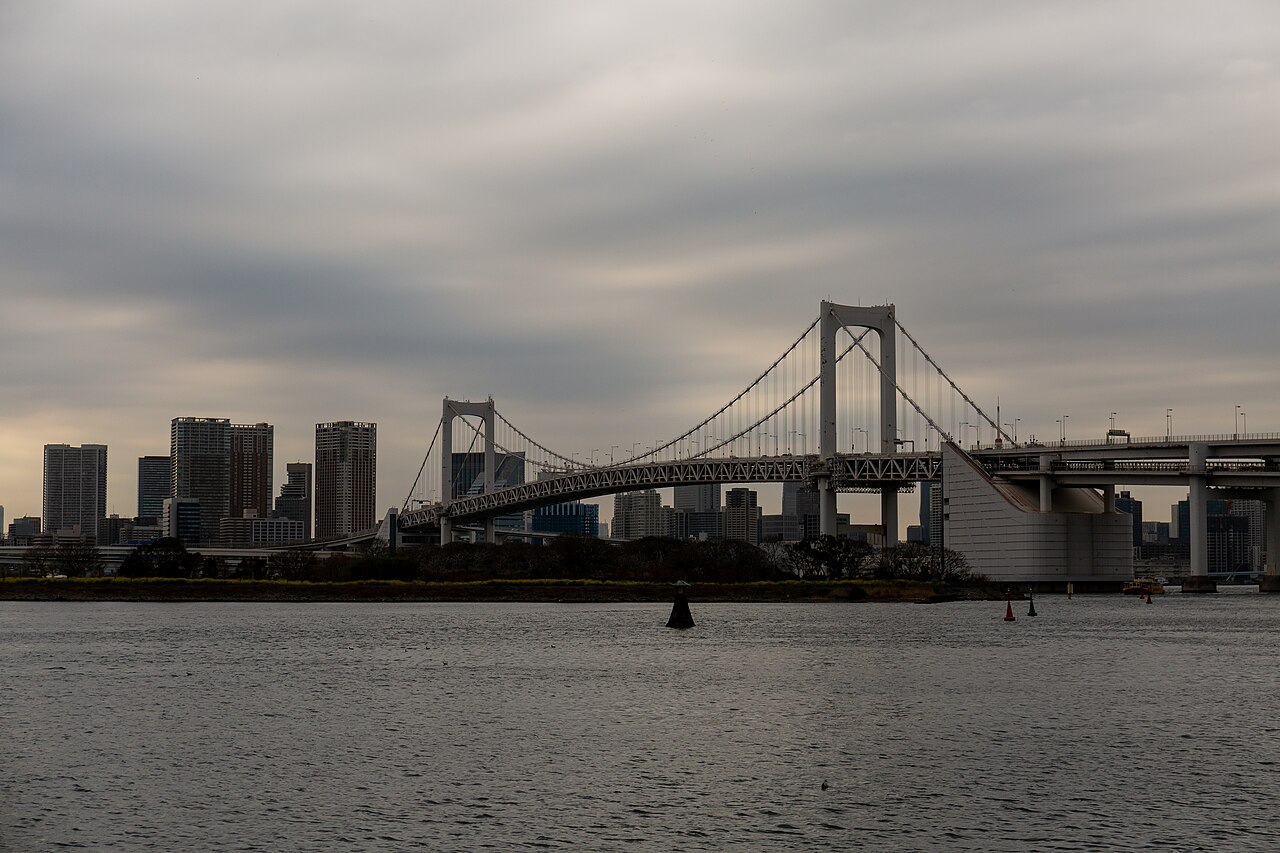
Highlights: the Rainbow Bridge and the towers on the far shore across the bay. The park is open at all hours and free. Arrive a little before sunset and the change from daylight to floodlighting happens without you moving.
Practical note: on an overcast day the far bank hazes over and only the outline of the bridge shows. When the weather turns, cutting this block and going on to Ginza early keeps the day dense rather than thin.
- Nearest
- Odaiba-kaihinkoen on the Yurikamome
- Entry
- JPY 0
Ginza’s pedestrian street is usually described as a Sunday thing. It actually runs on three kinds of day: Saturdays, Sundays and public holidays. The hours are 12:00 to 17:00 from October to March and 12:00 to 18:00 from April to September, along Chuo-dori from the 1st to the 8th block. While it is closed to traffic, events, selling goods and queueing in groups are all prohibited, and bicycles may not be ridden. The first one ran on 2 August 1970, proposed by the then governor Ryokichi Minobe and held in Ginza, Shinjuku, Ikebukuro and Asakusa on the same day.
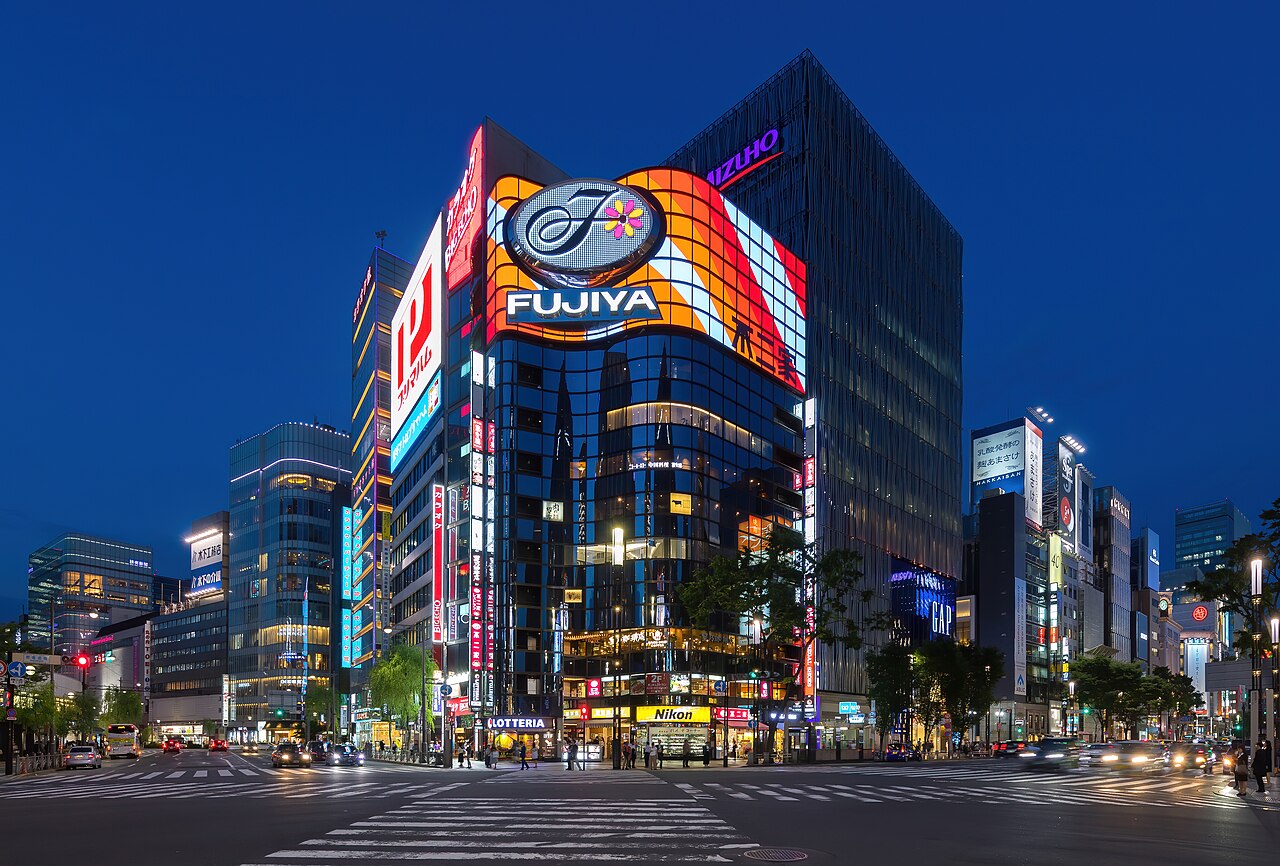
Highlights: the department stores mostly close at 20:00. If you are here to look at buildings, the pavements clear once they have shut. The run of older facades, Ginza Mitsukoshi among them, spreads north and south from the 4-chome crossing on Chuo-dori.
Practical note: walking slowly is hard during the pedestrian hours. For a quiet look, take a weekday evening. If DAY 3 does land on a weekend or holiday, the flip side is that from midday you can walk down the middle of the road.
- Nearest
- Walking distance from Ginza or Shimbashi stations
- Pedestrian street
- Saturdays, Sundays and holidays 12:00–17:00 (to 18:00, April to September)
- Walking
- JPY 0
DAY 4Mt Fuji is one coach and one ropeway away
Why this order: this is the only day that leaves Tokyo, so decide which of the five days it falls on after looking at the forecast. Spend it on a day when the mountain is in cloud and you have bought three and a half hours of travelling and nothing else.
Morning: Busta Shinjuku to Kawaguchiko, about 1 hour 45
The coaches are run by Fujikyu and Keio. Shinjuku to Fuji-Q Highland takes about 1 hour 40, and to Kawaguchiko Station about 1 hour 45. Adult one-way fares start at JPY 2,200, or JPY 2,000 paying online; children start at JPY 1,100. Online booking opens on the same date one month ahead and closes 30 minutes before the service leaves its first stop.
Once there, movement is by the Kawaguchiko sightseeing bus. One pass covers all three lines — the Red Line round Lake Kawaguchi including Oishi Park, the Green Line to Lake Sai, the Blue Line to Narusawa, Shoji and Motosu — at JPY 1,500 for one day or JPY 2,000 for two. Single rides are charged by section from JPY 180, so from the third ride onwards the day pass is the cheaper of the two.
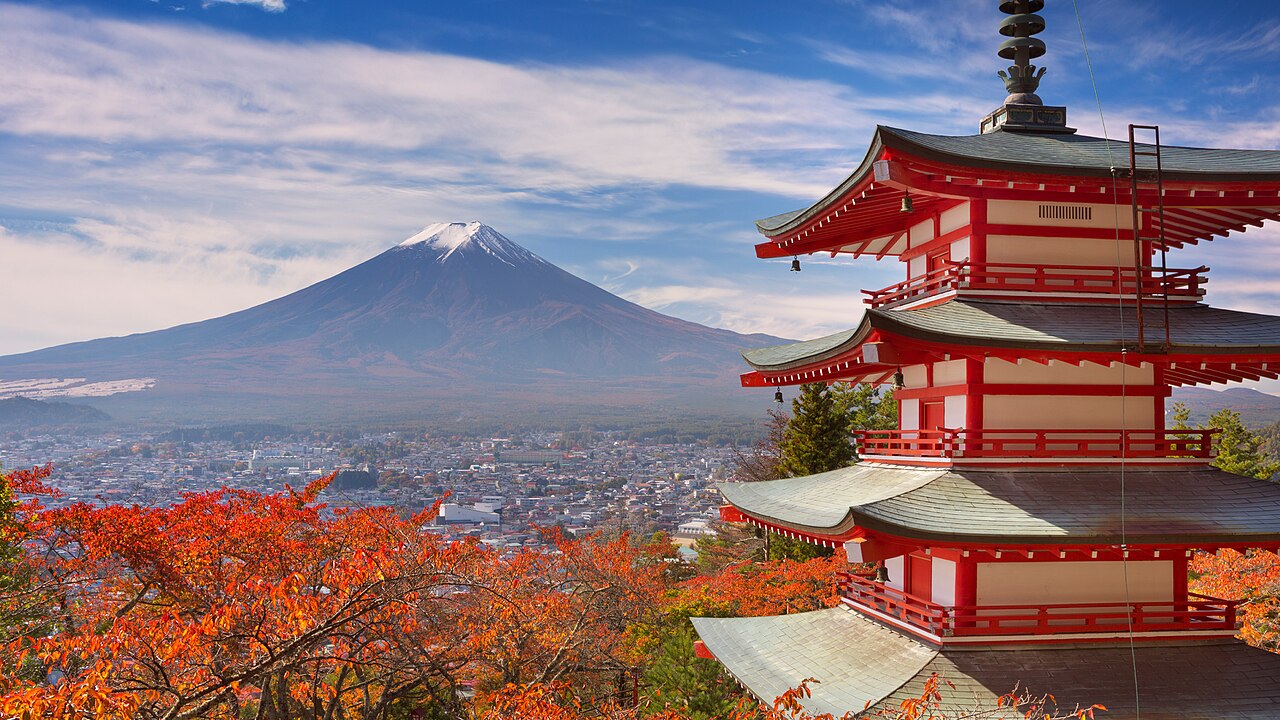
Highlights: a viewing deck that puts the pagoda and the mountain in one frame. The stone stairway up to it is called the Sakuya-hime Steps and runs to 398 of them. The risers are deep, and in the wrong shoes people stop part way up.
Practical note: the four municipal car parks began charging on 1 April 2025, at JPY 1,000 to JPY 1,500. Coaches and minibuses are not permitted near the park. Bears have been sighted around it this year and the city is asking visitors to be particularly careful at dawn and dusk. The pagoda is floodlit from dusk until 22:00, with the start time moving through the seasons.
- Nearest
- Walking distance from Shimoyoshida Station
- Steps
- Sakuya-hime Steps, 398 of them
- Parking
- Four municipal car parks, JPY 1,000–1,500 (charged since 1 April 2025)
- Official
- City of Fujiyoshida ↗
Afternoon: the ropeway return is JPY 1,000, and the JPY 2,700 ticket is something else
The ropeway lifts you from the lakeside to a viewpoint over the water and the mountain. A return is JPY 1,000 for an adult and JPY 500 for a child; one way is JPY 600 and JPY 300.
The figure that causes confusion is JPY 2,700, which belongs to a different product called the Fujikyu Rail & Rope Coupon: a ropeway return bundled with two days of unlimited travel on the Fujikyuko railway, sold online only and valid for two days. Riding the ropeway up and down does not cost JPY 2,700. In the same family, a ropeway return with the lake cruise is JPY 1,700, and the Kawaguchiko Pass, which adds two days of the sightseeing bus, is JPY 3,300.
Highlights: from the lakeside station up to Fujimidai, the viewing platform stands at 1,075 metres. There are 64 steps at the lower station and 112 at the upper one, so the route is not entirely level. Carrying on to Oishi Park on the north shore puts seasonal flowers and the mountain in the same frame.
Practical note: hours are 8:30 to 17:00 with the last descent at 17:20, extended to 18:00 from 20 July to 31 August, and the last ascent brought forward to 16:20 from 1 December to 28 February. It runs year round including the new year, but stops for high wind, lightning or hail. The Kawaguchiko Field Center inside Oishi Park is free to enter, with its shop open 9:00 to 17:45.
- Nearest
- Red Line sightseeing bus from Kawaguchiko Station to the lakeside
- Hours
- 8:30–17:00 (last descent 17:20); to 18:00 in high summer
- Fare
- Return adult JPY 1,000; child JPY 500 (one way JPY 600 / JPY 300)
- Closed
- Open year round; suspended in high wind, lightning or hail
- Official
- Official site ↗
Local trains via Otsuki are the other way to do this day. If the dates overlap with a period when the Seishun 18 ticket is valid, the whole arithmetic of getting there changes, so read the periods and the break-even on the Seishun 18 ticket before you price the coach.
DAY 5The last day walks from Tokyo Station to the site of Edo Castle
Why this order: leave the bags in a locker at Tokyo Station and build the day entirely out of what you can reach on foot, with no subway. Counting back from a train or a flight home then does not break it.
Morning: the gardens close two days a week, Monday and Friday
The Imperial Palace East Gardens are free to enter, and they close twice a week: Mondays and Fridays. Put the last day of the trip on a Friday without knowing that and you turn round at the gate. They also close from 28 December to 3 January and on days when ceremonies are held.
Opening hours run through five seasonal settings. From 1 March to 14 April, 09:00 to 17:00 with last entry at 16:30; 15 April to the end of August, 09:00 to 18:00 with last entry at 17:30; September, 09:00 to 17:00; October, 09:00 to 16:30; 1 November to the end of February, 09:00 to 16:00. Between summer and winter the closing time differs by two hours.
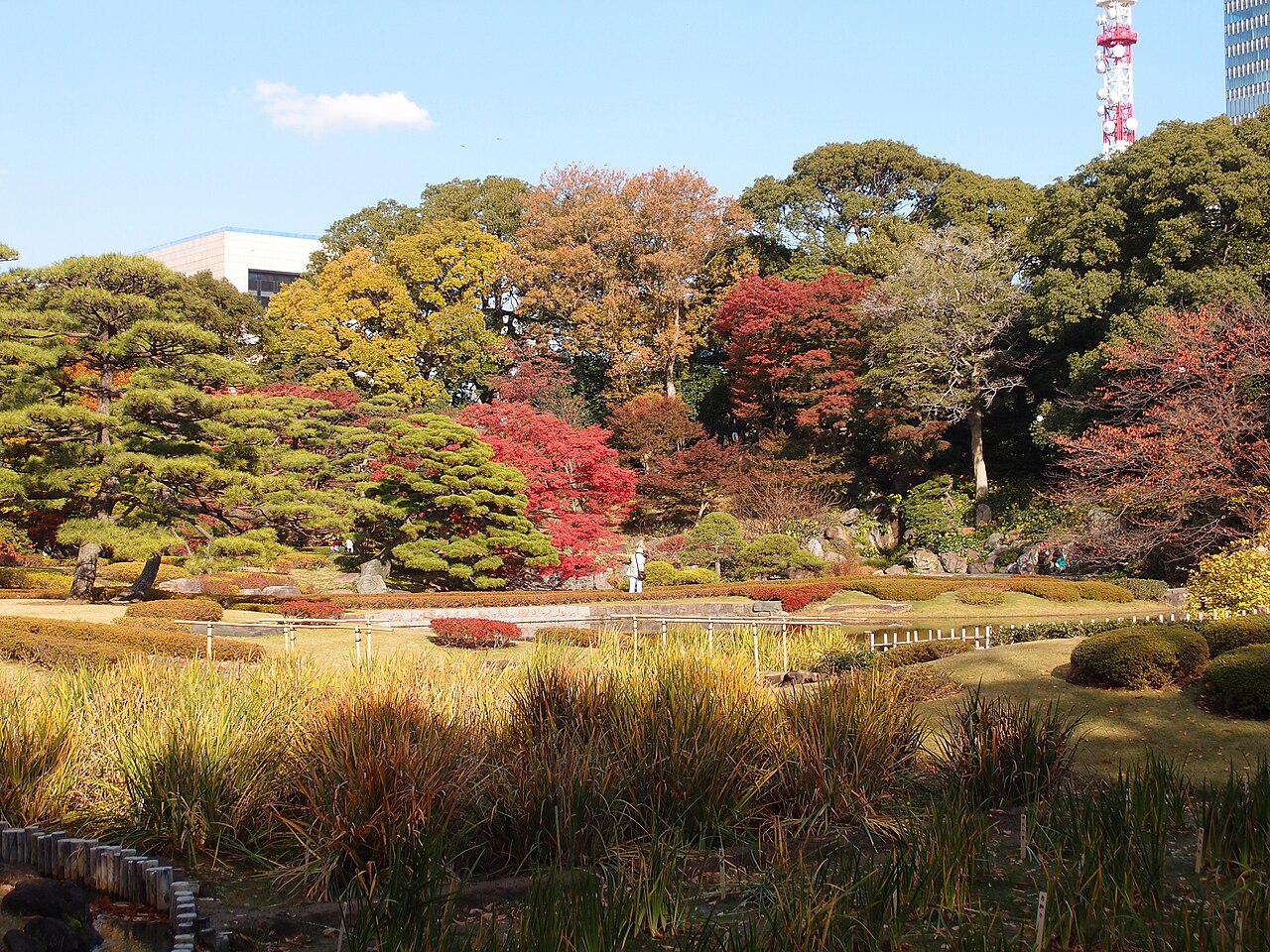
Highlights: this is the ground the honmaru, ninomaru and sannomaru enclosures of Edo Castle stood on. Climb the keep base and the whole honmaru site opens out, which is the only way to feel how large the castle was. The Ninomaru garden is a stroll garden built around a pond.
Practical note: three gates admit visitors — Otemon, Hirakawamon and Kitahanebashimon. Otemon is about five minutes from exit C13a at Otemachi and about fifteen from the Marunouchi North Exit of Tokyo Station, so the bags can stay at the station and you can walk there and back. The guided tour of the palace grounds proper is also free, but not on Sundays, Mondays or public holidays, nor on afternoons from 1 July to 30 September. Same-day places are given out at the Kikyomon gate at 09:00 and 12:30, 300 per session, first come first served.
- Nearest
- About 5 minutes from Otemachi exit C13a; about 15 minutes from the Marunouchi North Exit of Tokyo Station
- Hours
- Five seasonal settings (15 April–end August 9:00–18:00; 1 November–end February 9:00–16:00)
- Admission
- JPY 0
- Closed
- Mondays and Fridays; 28 December to 3 January; ceremony days
- Official
- Imperial Household Agency ↗
The afternoon is souvenirs at Tokyo Station Ichibangai and then home. Shop hours differ unit by unit, so do not plan on arriving just before closing. There are also souvenir shops inside the Shinkansen gates, which means passing through the barrier first still leaves the option open.
Flying home adds one more number to count back from. Since 1 September 2026 the checked-baggage deadline on Haneda domestic services is 30 minutes before departure, and the detail is in the note on the Haneda baggage cut-off.
Alternatives
Rainy-day swap
Rain damages the late afternoon of DAY 1 and the whole of DAY 4. SHIBUYA SKY closes its roof without notice in bad weather, and when it does you are left with the indoor floor. On DAY 4, a mountain in cloud means three and a half hours of travel for nothing.
Two free substitutes exist for getting up high. The South Observatory of the Tokyo Metropolitan Government Building sits 202 metres up, costs nothing, opens 09:30 to 22:00 and stops admitting at 21:30; there is no advance or group booking, you simply turn up. The other is the eighth-floor terrace at the Asakusa Culture Tourist Information Center, also free, 09:00 to 22:00, directly opposite Kaminarimon, which makes it something you can drop into the middle of DAY 2.
To move indoors instead, teamLab Planets and the Tokyo National Museum both work. On a wet DAY 4, pushing Mt Fuji to the following day and pulling those two forward saves the day rather than salvaging it. Building the trip so that the date of DAY 4 can still be moved when you see the forecast is the single most useful thing about this plan.
If the flight is delayed by an hour or more
A late arrival on DAY 1 threatens the timed SHIBUYA SKY ticket first. Meiji Jingu and Harajuku carry no fixed times, so the morning is what gets cut. The evening ticket only changes price at 15:00 and admits within a band rather than at an exact minute, so a moderate delay is absorbed.
On DAY 3 the exposure is teamLab Planets, bought for a specific entry time and not usable if you miss it. Tsukiji is placed before it precisely because it has no clock on it, so on a disrupted day drop the market and go straight to Toyosu.
Missing the coach on DAY 4 means waiting for the next departure. Since booking closes 30 minutes before a service leaves its first stop, on a morning when your arrival time is uncertain it is faster to rebook one departure later than to run for the one you hold. DAY 5, by contrast, does not even use the subway, which makes it the most delay-proof day of the five.
When you’re tired
The order is clear. First out is the Mt Fuji day trip on DAY 4: three and a half hours of travelling plus a lot of walking at the other end makes it the heaviest of the five. Cutting it removes JPY 8,000 of coach fares, JPY 2,000 of ropeway and JPY 3,000 of bus passes, JPY 13,000 for the two of you.
Shinjuku Gyoen fits well in its place. General admission is JPY 500, JPY 250 for over-65s and for students from high school upwards, free below that. From 11 June to 31 July it opens 09:00 to 19:00 with last entry at 18:30, which is long enough to spend half a day sitting on the grass. It closes on Mondays, except during the cherry season from 25 March to 24 April and the chrysanthemum exhibition from 1 to 15 November, when Mondays stay open.
Next to go is Ueno on DAY 2: choosing either the museum or the zoo rather than both frees an hour and a half. What should not be cut is teamLab Planets on DAY 3, because the timed ticket was bought in advance and dropping it simply loses the money.
Why we skipped the pandas at Ueno Zoo
You cannot build this itinerary on the assumption that Ueno Zoo means giant pandas, because there are no longer any giant pandas at Ueno Zoo.
Xiao Xiao, a male, and Lei Lei, a female, were returned to the Ya’an base of the China Conservation and Research Center for the Giant Panda over 27 and 28 January 2026. The giant panda breeding research project run jointly by the Tokyo Metropolitan Government and the China Wildlife Conservation Association ended on 20 February 2026. The zoo’s own site states plainly that it does not currently keep giant pandas.
So leaving an afternoon clear for the queue at the panda house is planning for something that no longer exists. What the zoo itself puts forward instead is the shoebill, the western lowland gorillas, the red pandas and the golden pheasants. On 25 October 2026 it holds a commemorative lecture, “Fifteen Years With Ri Ri and Shin Shin”, free, by advance application, capped at 100 places and streamed online. If pandas were the reason for going to Ueno, changing the destination is quicker than changing the plan.
Where to stay
Tokyo’s rail network is dense enough that anywhere inside or on the Yamanote loop keeps this itinerary intact. What decides it is the first morning and the last.
The earliest start here is DAY 4, leaving from Busta Shinjuku. Staying in Shinjuku reduces that morning’s travel to nothing. DAY 5, on the other hand, walks from Tokyo Station to the East Gardens, so a room near Tokyo Station puts the luggage and the train home in the same building. Which of the two matters more depends on whether you leave by Shinkansen or by air.
Budgeting four nights off the displayed rate alone leaves the Tokyo lodging tax unaccounted for. As things stand it is charged per person per night on the room-only rate before tax: nothing below JPY 10,000, JPY 100 from JPY 10,000 to under JPY 15,000, and JPY 200 at JPY 15,000 and above. Four nights in a JPY 12,000 room therefore comes to JPY 400 each, JPY 800 for two.
That changes on 1 April 2027. The amending ordinance passed on 27 March 2026, received the Minister for Internal Affairs and Communications’ consent on 30 June and was promulgated on 1 July. Three things move: the exemption threshold rises from under JPY 10,000 to under JPY 13,000 per person per night, the flat amounts become a rate of 3 per cent, and guests at simple lodgings and private accommodation become taxable for the first time. The same JPY 12,000 room becomes exempt afterwards, while a JPY 15,000 room goes from JPY 200 to JPY 450. How much the charge adds per night in other cities is worked out in the recalculation across five cities.
Book in three stages: the room, SHIBUYA SKY, then teamLab Planets. SHIBUYA SKY cannot be bought the moment the trip is fixed because it only sells two weeks out, whereas teamLab Planets releases dates well in advance and can be secured as soon as the calendar is settled. If you are willing to widen the search as far as Yokohama, the new Yokohama hotels for 2026 are also in range.
What this trip costs
Assumptions: two adults, four nights in Tokyo, no rental car, all movement by subway and coach. Getting to Tokyo in the first place — a flight or the Shinkansen — is left out of the total because it depends entirely on where you start, and rooms and meals are out because they move with the dates. The lodging tax is the one exception and is calculated on a room-only rate of JPY 12,000 a night.
Every figure above is the published rate as of 2026-09-20. Skytree and teamLab Planets both use variable pricing, and the table is built on the floor prices they publish. The lodging tax is at the rate now in force.
Split it and admissions and experiences come to JPY 25,000, transport to JPY 17,780 and lodging tax to JPY 800. With five paid attractions in five days, the entry side carries the weight.
Three places give. Moving SHIBUYA SKY to a slot before 14:59 saves JPY 700 each, JPY 1,400 for two. Taking the Skytree deck alone rather than both levels saves JPY 2,400 for two. Those two alone bring the total down by JPY 3,800 to JPY 39,780. Drop the Mt Fuji day as well and JPY 13,000 goes, leaving JPY 26,780.
It moves the other way too. Skytree and teamLab Planets are both variable priced and the table uses their floor. Choose dates in a peak period and those two alone add several thousand yen. If height is what you wanted and the budget is not there, the South Observatory at the Metropolitan Government Building is 202 metres up, free, and takes no booking.
Two kinds of traveller should not take this plan as written. Anyone living in Tokyo, Kanagawa, Saitama, Chiba, Ibaraki, Tochigi, Gunma or Yamanashi cannot buy the Tokyo Subway Ticket, which removes the basis of the city transport line entirely. And nobody should put the final day on a Friday, because the Imperial Palace East Gardens close on Mondays and Fridays and the whole of DAY 5’s morning disappears with them.
On season: the normal daily maximum is 31.3 degrees in August and 29.9 in July. This itinerary spends a lot of its hours outdoors, so trips in those two months should shift weight towards the indoor attractions. September carries the year’s highest normal rainfall at 224.9 millimetres, which is the month in which deciding the wet-weather substitutes in advance matters most. For a second option to get out of the city when Mt Fuji does not work, the Kamakura day trip from Tokyo slots into DAY 4 without changing anything else.
Durations and visit lengths here are estimates built from official distances and typical viewing times.
Sources: Meiji Jingu; Sensoji; Tokyo National Museum; Ueno Zoological Gardens (Tokyo Zoo Net); Imperial Household Agency; Ministry of the Environment and the National Gardens Association (Shinjuku Gyoen); Tsukiji Outer Market; teamLab Planets TOKYO DMM; Shibuya Scramble Square (SHIBUYA SKY); Tobu Tower Skytree; Tokyo Metro; Yurikamome; Fujikyu Bus; Mt Fuji Panoramic Ropeway; City of Fujiyoshida; Fujikawaguchiko Town; Ginza Street Association; Akihabara Electric Town Organization; Tokyo Metropolitan Bureau of Taxation; Tokyo Metropolitan Bureau of Finance; Taito City; Japan Meteorological Agency normals / Checked on 2026-09-20 / Photographs: Mustang Joe, David Kernan, Daderot, Balon Greyjoy, Jakub Hałun, Aimaimyi, Basile Morin, Dang Son, Guilhem Vellut (Wikimedia Commons, CC0 / Public domain / CC BY 2.0 / CC BY 4.0 / CC BY-SA 3.0 / CC BY-SA 4.0) / Featured image: Luke Ma, CC BY 2.0 (Wikimedia Commons)
Other sales ending soon
 4 days leftuntil Oct 24Air Busan Takamatsu-Busan Coupon: Up to 9,000 Yen Off Until October 24
 5 days leftuntil Oct 25JAL Hong Kong Campaign: Tokyo–Hong Kong Round Trip from 75,800 Yen (until 25 Oct)
 11 days leftuntil Oct 31Jin Air Kobe–Seoul: 5,000 yen off a round trip with code KTOUKB1, until 31 October
 11 days leftuntil Oct 31Jin Air to Busan: 4,000 yen off a round trip with code KTOPUS, first 300 only