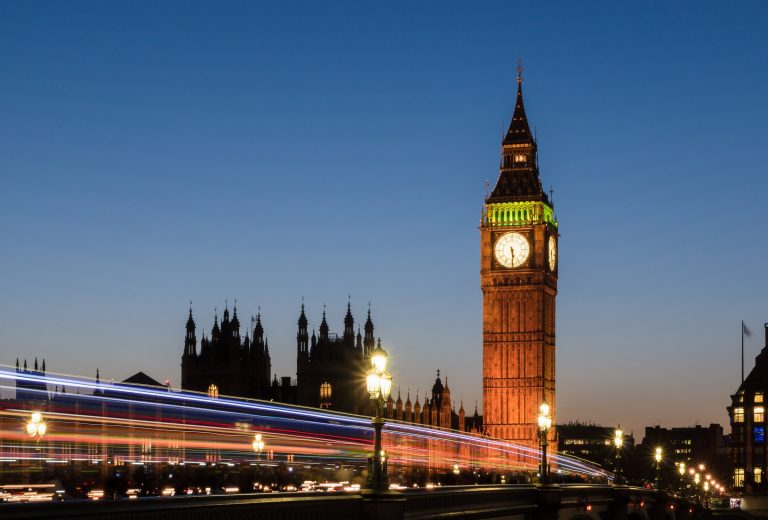
London 4-Night, 6-Day Model Plan: Big Ben, the British Museum and the Markets
AuthorMIRUTOBE editors
Table of Contents10 items
- Itinerary
- DAY 1 Settle how you touch in on day one and the transport bill stops moving for the rest of the trip
- DAY 2 The guard changes on Monday, Wednesday and Friday only, which is where your departure weekday bites
- DAY 3 A free museum and a GBP 37 fortress, pushed into the same day
- DAY 4 The markets change their stock and their closing time with the day of the week
- DAY 5-6 Four nights and six days gives you three full days and no more
- Why we skipped the National Gallery and Tate Modern
- Alternatives
- Where to stay
- What this trip costs
Four nights in London: Westminster, then the museum and the fortress, then the markets. On the ground the two of you spend GBP 247.40. What binds this route is weekdays, not price. The guard changes on Monday, Wednesday and Friday; Borough Market shuts on Mondays.
Itinerary
DAY 1Settle how you touch in on day one and the transport bill stops moving for the rest of the trip
Why this order: nothing with a fixed time goes on day one. Deal with entry, the journey in and how you are going to pay, and keep the evening inside walking distance.
The UK is outside the Schengen area. A Japanese passport needs no visa for a tourist stay, but an ETA, the electronic travel authorisation, has to be obtained before departure. It costs GBP 20 and lasts two years or until the passport expires, whichever comes first, with no limit on trips inside that. Apply through the GOV.UK page or the dedicated app.
Scandinavia works the other way: Denmark, Norway and Sweden all belong to the Schengen Area, so the 7-day rail itinerary from Copenhagen through Oslo to Stockholm can be planned as one trip. Sweden has reintroduced border control on its internal borders, including the land border with Denmark, so keep your passport with you on the train.
Once you are in from the airport, the first thing to do is not to buy a ticket. Without an Oyster card, a contactless credit card or a phone from home taps through the gates directly, and the fares and daily caps are treated exactly as Oyster’s are.
One discipline applies: use the same device all the way through. Tap in with the card on the way out and the phone wallet on the way back and the system reads two separate users, so the daily cap never triggers. Two people cannot tap one card twice either. It is one tap per person at the gate.
That cap is what determines the shape of transport spending in London.
The Tube has peak hours, 06:30 to 09:30 and 16:00 to 19:00 on weekdays outside public holidays, and everything else is off peak, with weekends and holidays off peak all day. But the zones 1–2 daily cap is GBP 8.90 at peak and off peak alike. On any day with three or more journeys, which is any day that reaches the cap, the hour you travel makes no difference to the total. Shifting your times only saves money on a day that ends with two journeys or fewer.
Heathrow is the exception. Tube and Elizabeth line journeys to or from the airport through zone 1 are charged at the peak rate whatever the hour, so leaving early for a morning flight buys nothing there.
Power is 230 V and the plug is the type G three rectangular pins, BS 1363. A Japanese two-pin will not go in, so an adapter is needed. Phone and camera chargers generally take 240 V, which means no transformer. Where the line falls is set out in the difference between an adapter and a converter.
The time difference is eight hours during British Summer Time, from the last Sunday in March to the last Sunday in October, and nine in winter. Leave Japan at midday and the clock gives back the flying time, so you land in London the same evening. That leaves about three hours on the first night.
Spend those three hours in a pub near the hotel and nothing is wasted. Pubs are order and pay at the bar, which is why there is no tipping custom in them. Sit down and wait and nobody comes, so the first round is fetched.
DAY 2The guard changes on Monday, Wednesday and Friday only, which is where your departure weekday bites
Why this order: build around the 11:00 guard change, put the abbey, which has no timed slot, in the afternoon, and put the wheel at the hour the sun goes down.
Changing the Guard at Buckingham Palace does not happen daily. It is carried out by the army’s Household Division, and the King’s Guard pattern is Monday, Wednesday and Friday. At Windsor Castle it is Tuesday, Thursday and Saturday, so do not mix the two sets of days.
Morning: arrive at 11:00 and the railings are already taken
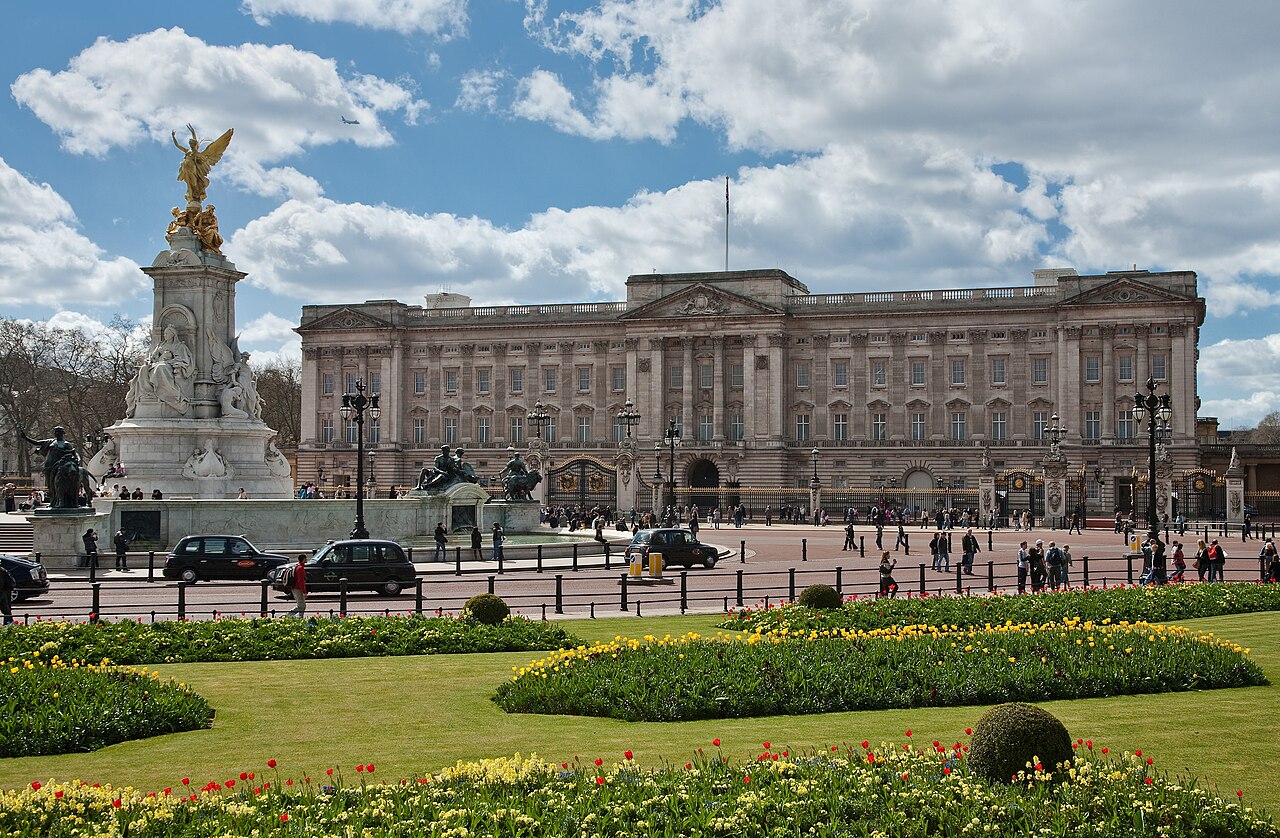
Highlights: guardsmen in red tunics and bearskin caps hand over in the palace forecourt to a military band. The ceremony itself starts at 10:45 and runs about 45 minutes, but the movement begins earlier: out of Wellington Barracks at 10:30 and into the palace at 11:00.
Practical note: at the railings you see nothing without the front row. The steps of the Victoria Memorial sit a level higher and let you follow the column from behind, so aiming for those means being on site in the first half of the ten o’clock hour. To avoid the crush altogether, wait along the marching route from Wellington Barracks or St James’s Palace. Bad weather can cancel it, and reading the notice for the day before leaving the hotel is what lets you rearrange.
- Days
- Monday, Wednesday, Friday (the King’s Guard pattern)
- Times
- Wellington Barracks 10:30; Buckingham Palace 11:00
- To watch
- GBP 0
- Nearest
- Green Park or St James’s Park
The State Rooms inside the palace open only in summer. The 2026 season runs from 9 July to 27 September. The Royal Day Out, combining the State Rooms, the Royal Mews and the King’s Gallery, is GBP 65.70 booked ahead and GBP 69.30 on the day, GBP 42.70 for ages 18 to 24 and GBP 32.80 for 5 to 17. That is GBP 131.40 added for two, which is why this route stays outside.
Back to the weekdays. Borough Market on day four closes on Mondays, and the guard changes only on Monday, Wednesday and Friday. With day one as the departure from Japan, day two the next day and day four three days later, each departure weekday resolves like this.
The bad one is Friday. Add a day of leave to a weekend and the Friday flight is what falls out naturally, and that is the single line where both things go. The easiest day for anyone with a job is the weakest day for this route.
If Friday is the only departure available, swap the contents of days two and four wholesale. Borough Market on the Saturday gives you the weekend version with its 9:00 opening, and the British Museum and the Tower on the Monday both open regardless. Push the guard change to the Sunday or Tuesday, or give it up if neither lands on a Monday, Wednesday or Friday. Almost nothing is lost in the exchange, so the order absorbs it even after the tickets are bought.
Afternoon: Westminster Abbey goes up by GBP 3.87 in September
Highlights: a working church where every monarch has been crowned and state occasions still take place. The floor of the nave is paved with the grave markers of poets and scientists, so walking it is itself an act of reading names. It is a few minutes on foot from the palace and the Houses of Parliament, which lets the morning run straight into it.
Practical note: admission moves with the season. From 2 to 30 September it is GBP 31 for an adult; in the period immediately before, 25 June to 1 September, it was GBP 27.13. Sundays it opens for worship only, with no visiting. Last admission is 15:30 on weekdays and 15:00 on Saturdays, so anything else in the afternoon pushes you past it.
- Admission
- Adult GBP 31; over 65 and students GBP 28; ages 6–17 GBP 14; under 5 free
- Hours
- Weekdays 9:30–16:30 (last admission 15:30); Sat 9:00–16:00 (last admission 15:00); Sunday worship only
- Nearest
- Westminster
The Houses of Parliament, the Palace of Westminster, on the same block can be visited too. The 90-minute guided tour is GBP 40 for an adult booked ahead and GBP 43 on the day, GBP 30 for ages 16 to 24 and GBP 20 for 5 to 15. Going round at your own pace with an audio guide starts at GBP 31. There is a free tour called Inside UK Parliament, but it is for UK residents only and applied for through your own MP. Visitors take the paid side.
Climbing Big Ben, the Elizabeth Tower, is a separate proposition at GBP 55 for an adult and GBP 35 for ages 11 to 17. There is an age limit of 11, and the 334 spiral steps take up to 90 minutes. No lift. Tickets are released in a single batch at 10:00 on the second Wednesday of each month, three months ahead, so wanting this means looking at that date before you look at flights.
Evening: ride the London Eye 30 to 60 minutes before sunset and you get two views in one rotation
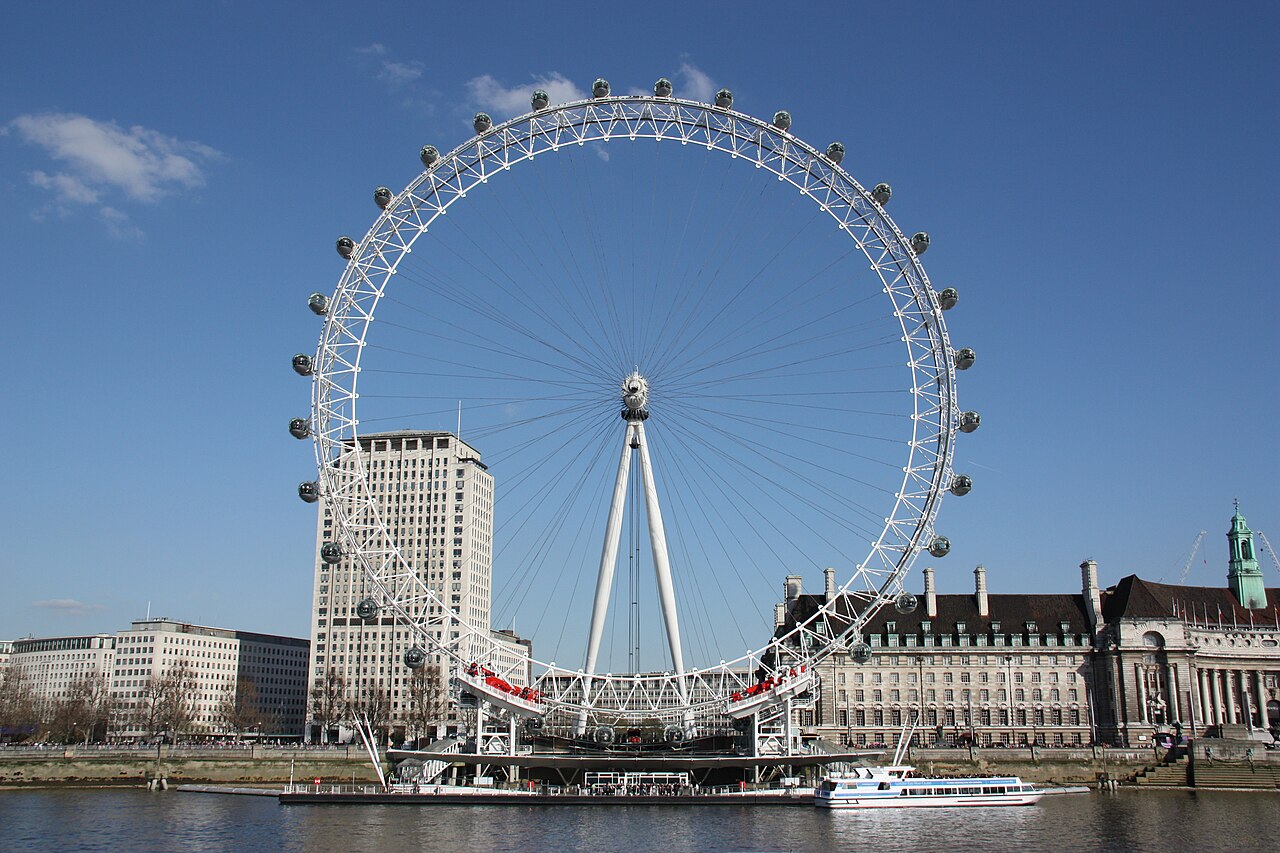
Highlights: 32 capsules take 30 minutes to go round once. It puts you level with the Houses of Parliament and Big Ben across the water, and in daylight the towers of the City are in view as well. The rotation is fixed, so the only variable is what is out there when you are up.
Practical note: take a slot 30 to 60 minutes before sunset and one rotation carries you from the daylight view through dusk to the first lights coming on. London sits at a high latitude: it is still light past 21:00 in summer and dark before 16:00 in winter, so “ride it in the evening” is not a usable instruction. Look up the sunset time for your date and book the slot 30 to 60 minutes before it.
- Admission
- Adult from GBP 29 online; GBP 39 at the window; ages 2–15 from GBP 26
- Fast track
- From GBP 49 (GBP 54 at the window)
- Rotation
- 30 minutes
- Nearest
- Waterloo or Westminster
In winter the early sunset works in your favour. Finish the night view before 17:00 and the whole evening is still ahead of you. In summer, waiting for it takes you past 21:00 and pushes dinner back.
Winter does strain this arrangement, though. Westminster Abbey stops admitting at 15:30 and December sunset is around 16:00, which leaves you running from the abbey to the wheel. On winter dates, put the abbey in the morning and move the guard change to day three.
DAY 3A free museum and a GBP 37 fortress, pushed into the same day
Why this order: give the morning to the British Museum, which opens at 10:00, and the afternoon to the Tower, which stops admitting at 16:30. Finish on a bridge that costs nothing to cross.
Neither place today cares what day of the week it is. The British Museum closes only on 24, 25 and 26 December, and the Tower of London has no closing day at all. This is a day that cannot break, wedged between days two and four, which can.
Morning: pick three things at the British Museum and you are out in two hours
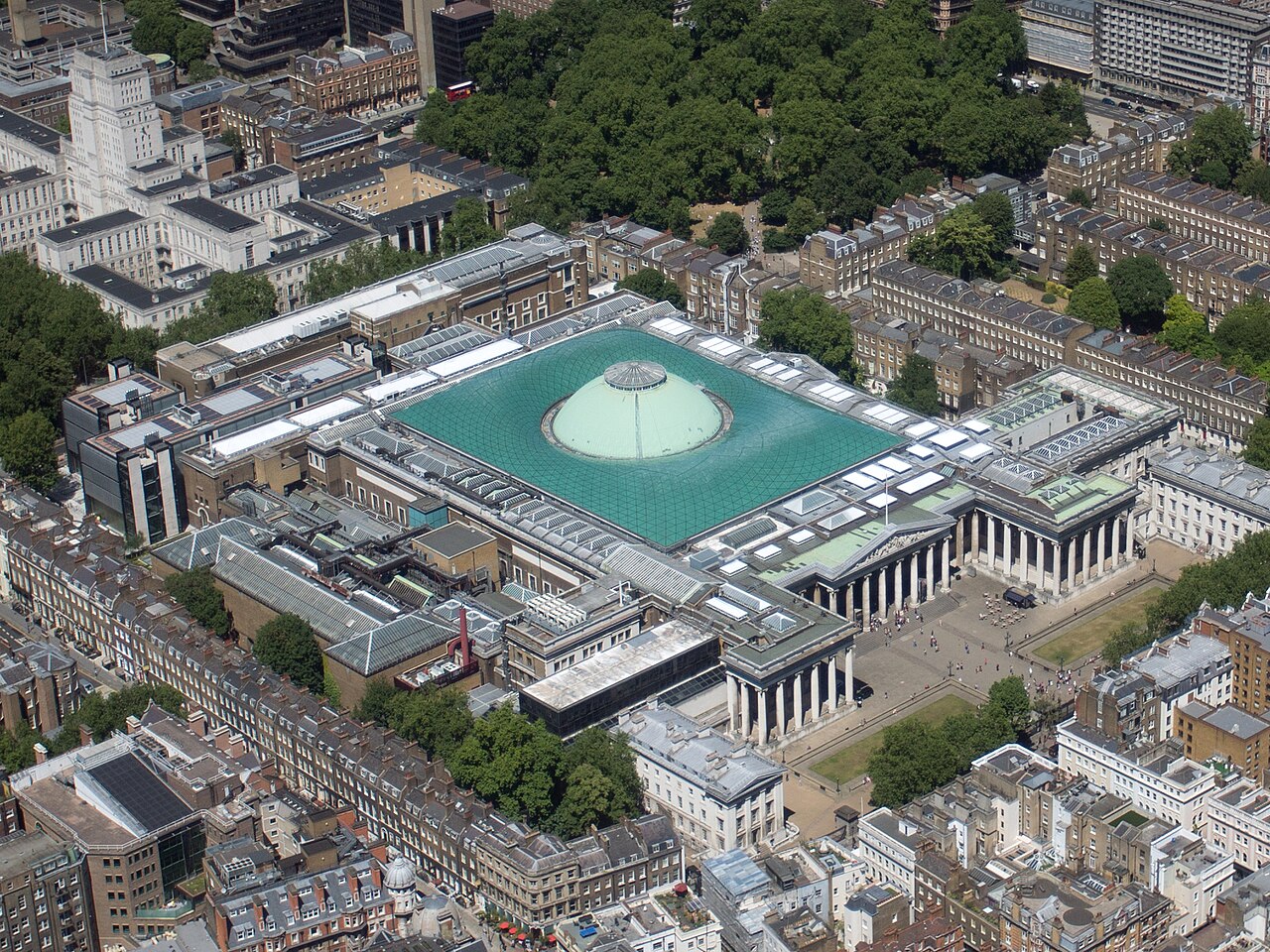
Highlights: the permanent collection is free, and the Rosetta Stone, the Parthenon sculptures and the Egyptian mummies are all under the same roof. The glass canopy over the Great Court makes the entrance hall itself one of the sights. The displays run across eight departments, so trying to see everything will not finish in a day.
Practical note: a free timed ticket gets you priority entry, though walking in without one works too. Fridays it stays open to 20:30, which lets a busy itinerary move it to a Friday evening. Being free, the bag check at the entrance builds a queue, and the peak of that is around midday.
- Admission
- Permanent collection GBP 0 (special exhibitions charged)
- Hours
- Daily 10:00–17:00; Fridays to 20:30
- Closed
- 24 to 26 December only
- Nearest
- Tottenham Court Road or Holborn
With the Tower waiting in the afternoon, there is no budget for exhausting yourself here. Narrow it to the Rosetta Stone, the Parthenon sculptures and the Egyptian mummies and two hours is enough. The rest is the reason to come back.
Afternoon: at the Tower, adding the donation changes the price by GBP 3.70
Highlights: an eleventh-century fortress still standing, which has been palace, stronghold, prison and place of execution in turn. The Crown Jewels room holds some of the largest cut diamonds in the world, and the tour led by a Yeoman Warder, the Beefeaters, is included in the admission. The ravens are still kept, under the belief that the kingdom falls if they leave.
Practical note: tickets come in two forms, without the donation and with an optional 10% added, GBP 37 and GBP 40.70 for an adult. Either gets you in. The Crown Jewels queue alone can take an hour, so going straight there on entry makes the rest easier. It opens at 10:00 on Mondays, 9:00 Tuesday to Saturday and 10:00 on Sundays, with last admission 16:30 and closing at 17:30. A departure that puts day three on a Sunday or Monday starts the morning an hour later.
- Admission
- Adult GBP 37.00 (GBP 40.70 with donation); ages 5–15 GBP 18.50 (20.40); over 65 and students GBP 29.50 (32.50)
- Opening
- Mon 10:00; Tue–Sat 9:00; Sun 10:00 (last admission 16:30, closes 17:30)
- Closed
- Never
- Nearest
- Tower Hill
Residents of the borough of Tower Hamlets get in for GBP 1 a year. A World Heritage site charging locals one thirty-seventh of the visitor rate is itself a statement about a city that lays tourist attractions and housing on the same ground.
Evening: crossing the bridge is free, and the lift times are published
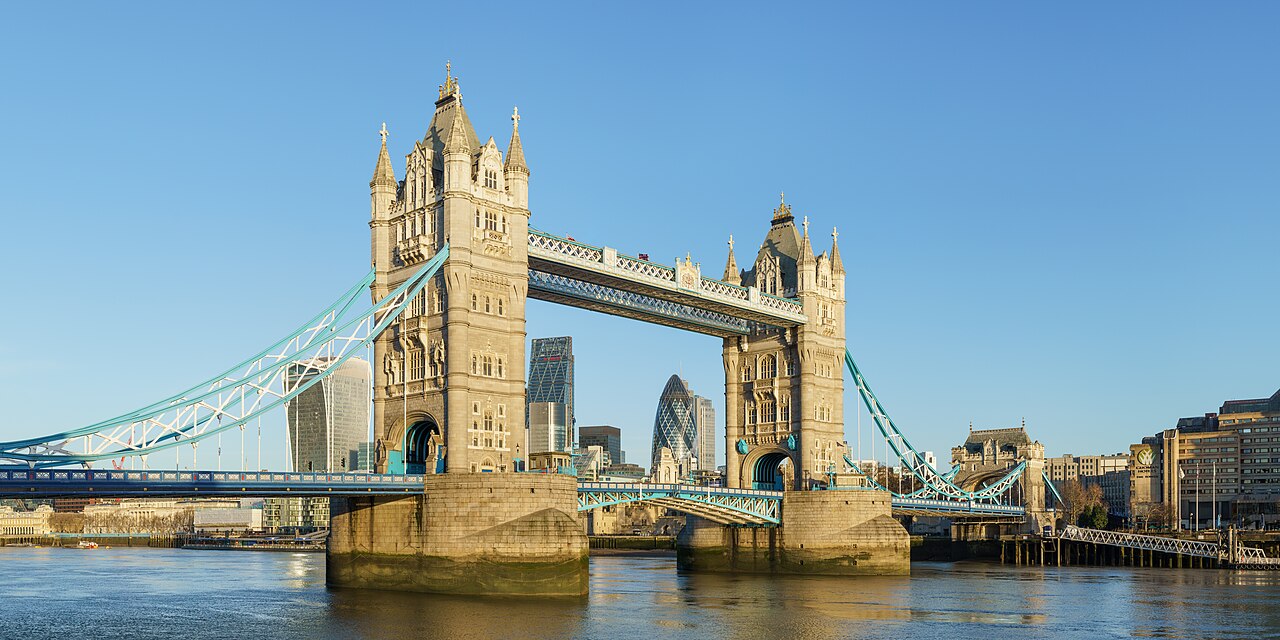
Leave the Tower and walk along the river to Tower Bridge. Crossing it costs nothing; only the exhibition with the high-level walkways, the glass floor and the engine rooms is charged. That opens daily 9:30 to 18:00 with last admission at 17:00, closes 24 to 26 December, and opens at 10:00 on 1 January.
The bridge still lifts for shipping. How often and at what time changes by the day, and the bridge lift times are published on the official site date by date. Where one falls in the afternoon of day three, build the walk from the Tower around it. A lift is over in a few minutes, so leaving it to chance means not seeing it.
DAY 4The markets change their stock and their closing time with the day of the week
Why this order: hit Borough Market just after it opens, turn to Camden in the afternoon because it never closes, and end at a pub within walking distance of the room.
Morning: Saturday is the fullest and the hardest to move through
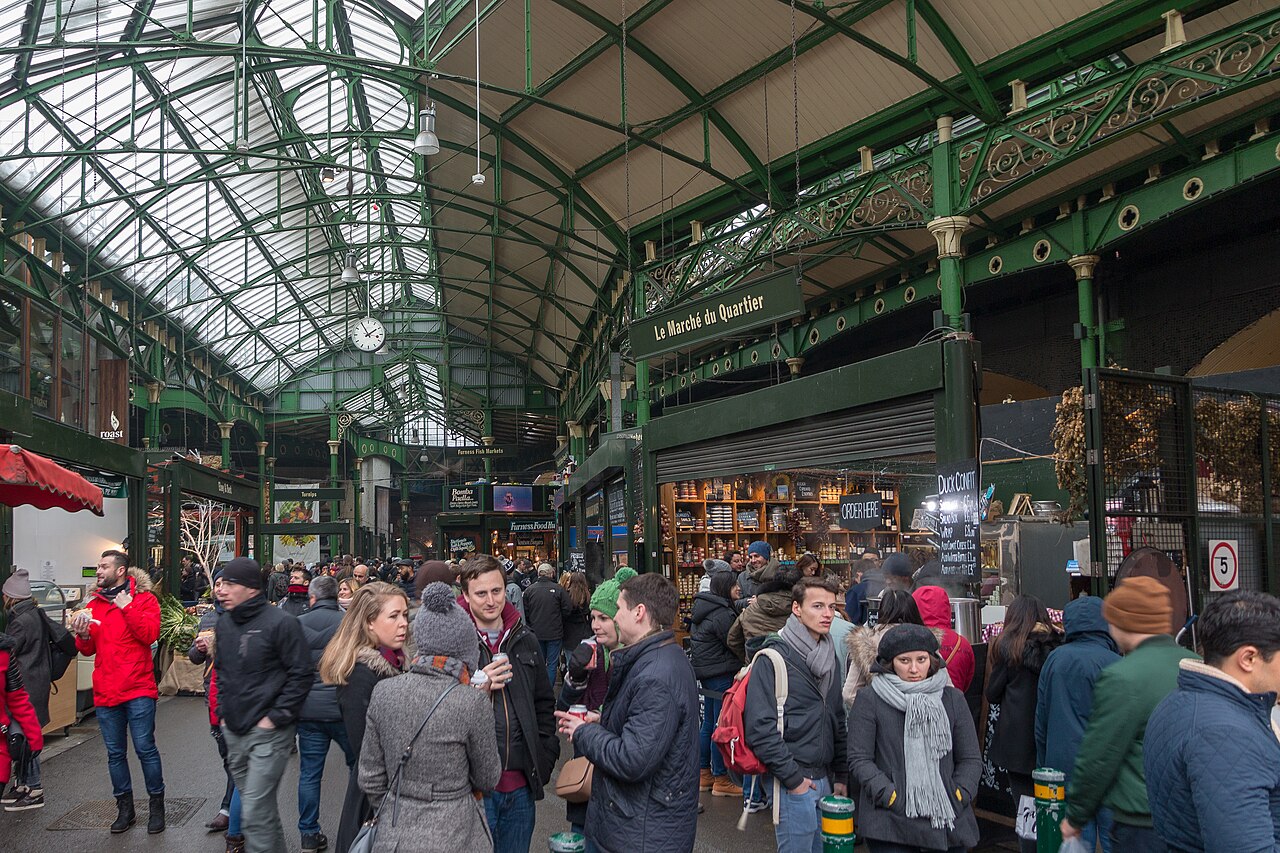
Highlights: cheese, pies, fresh produce and stalls from everywhere, packed under a roof. Buying and eating as you walk finishes lunch, so this morning runs out of the food budget rather than the admissions one. It sits at the south end of London Bridge beside Southwark Cathedral, and the riverside path from here reaches Tower Bridge.
Practical note: it closes on Mondays. Saturday opens at 9:00 and carries the most traders and the most customers of the week, to the point where the aisles stop moving. Tuesday to Friday the crowd is local shoppers and people working nearby taking lunch, so the queues are short and the traders have time to talk. Sunday closes at 16:00, so anything else in the morning eats into the visit.
- Entry
- GBP 0 (buying is not)
- Hours
- Tue–Fri 10:00–17:00; Sat 9:00–17:00; Sun 10:00–16:00; closed Monday
- Note
- Bank holidays and the Christmas period run to different hours
- Nearest
- London Bridge
For eating your way through, a weekday is more comfortable. For the market at full tilt, Saturday. Those two cannot be had at once.
Afternoon: Camden is the one market where the weekday does not matter
Highlights: vintage clothes, records, oddments and food stalls spread across the old horse stables beside the canal. The shopfronts are buried under projecting sign sculpture, which makes the walk itself the point. The Regent’s Canal lock is right there, and water buses run from here towards Little Venice.
Practical note: it opens every day of the year including bank holidays, 10:00 to 19:00. Whatever weekday day four lands on, the afternoon works here. Different areas keep different hours, and the food hall at Hawley Wharf alone runs 11:30 to 23:00, which lets dinner happen here as well.
- Entry
- GBP 0
- Hours
- Daily 10:00–19:00 (bank holidays included)
- Food hall
- Hawley Wharf 11:30–23:00
- Nearest
- Camden Town
Portobello Road in Notting Hill is tempting to add, and this route does not state which day its antiques market runs. The Saturday claim circulates widely; neither the borough nor the market publishes it in a form worth quoting, so it stays out. One more thing about that street: portobelloroad.co.uk, once cited as the market’s address, is now an unrelated gambling site. Leave it alone however high it ranks in a search.
Evening: read the line above the total before you reach for your wallet
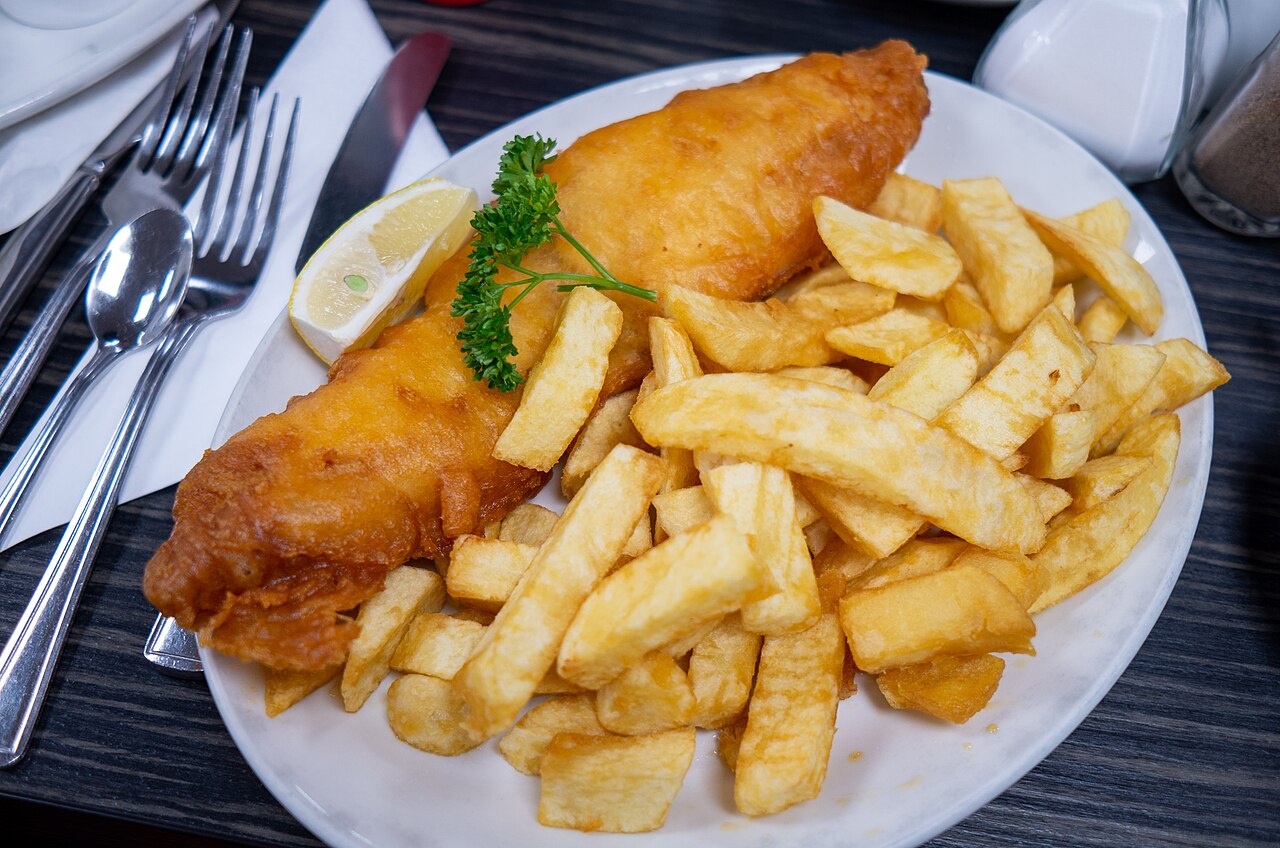
Pubs run to fish and chips, meat pies and fish pies. Sundays add the Sunday roast, beef with Yorkshire pudding and vegetables on one plate, served only from midday into the evening on that day. A Thursday departure puts day four on a Sunday, which is the arrangement that gets you one.
Restaurants usually put a service charge on the bill already, generally marked discretionary. The rate is the restaurant’s own and nothing sets it in law. Miss it and add a tip and you have paid twice, so read the line above the total before the wallet comes out. Pubs take payment at the bar, which means the question never arises.
Almost everything takes cards. Card-only places are common enough that changing money is not worth much effort, and most market stalls take cards too.
DAY 5-6Four nights and six days gives you three full days and no more
Why this order: build backwards from the time you have to be at the airport. Nothing heavy on the last morning, and the jet lag gets paid for after you are home.
The outbound flight runs the clock backwards, which makes the first night feel long, and the return swallows a whole day in the air. Recounting “four nights, six days” in working hours gives this.
Three full days, and each one already holds Westminster, the museum and fortress, or the markets. Nothing is left over for a contingency. Which is why the British Museum, free and indoors and open every day but three, doubles as the spare. Having one item you can move without losing money is what free buys you here.
With one more night available, the day to add goes between days three and four. That unties the strain of running the British Museum and the Tower on the same date, and splits them into a museum day and a fortress-and-bridge day. Lose an hour to the Crown Jewels queue and the museum still does not become a march. Extending day one or day five adds only three or four hours, so the extra night belongs in the middle.
Get to the airport on the Tube or the Elizabeth line through zone 1. That stretch is charged at peak whatever the hour, so leaving early does not reduce it. With a bag to check, work on leaving the hotel three hours before departure.
Why we skipped the National Gallery and Tate Modern
London’s large museums are almost all free. The National Gallery, Tate Modern, the Victoria and Albert. Every permanent collection is GBP 0, and each takes half a day. Leaving out something free needs an explanation in this city.
The reason is on the time side. Four nights gives three full days, and putting another museum into one of them drops either Westminster or the markets. Free looks like nothing lost, and what is actually lost is the admission and the travel of whatever fell out.
Anyone who wants three galleries in depth will be happier rebuilding the trip around the galleries rather than around this route. The British Museum’s Friday extension to 20:30 makes two collections in one Friday possible. The National Gallery faces Trafalgar Square, within walking distance of Westminster, so swapping the abbey for it on the afternoon of day two works on its own.
The Tower Bridge exhibition is out for the same reason. What is worth seeing about the bridge is the outside of it and the moment it lifts for a ship, and both of those read better from off the bridge than on it.
Alternatives
Rainy-day swap
Day two is the weak one. Changing the Guard is entirely outdoors and can be cancelled in bad weather. The queue for the London Eye is outdoors too, and with a low cloud base there is nothing to see from the top. The morning and the evening go together.
What it swaps with is the British Museum on day three: free, indoors, open every day but 24 to 26 December. Where the forecast is readable the night before, move the whole morning of day two to the museum and send the guard change to the next day it runs, whichever of Monday, Wednesday or Friday is left. The guard change cannot be manufactured on another date, so the thing that moves is the museum, not it.
Day four holds up reasonably well. Borough Market is under a roof, and Camden is mostly the old stables and the indoor food hall, walkable with an umbrella. Only the Tower on day three suffers, where a long stretch of the visit is courtyards and walls, and rain turns three hours into two.
If the flight is delayed by an hour or more
A late outbound costs one pint on day one. Nothing timed sits on the first day, so no money goes with it.
What bites is the morning of day two. The guard change starts at 11:00 and a good position means being there in the first half of the ten o’clock hour. Land in the middle of the night and making that is hard. To build in the possibility of a delay, put the guard change on day three or later, on whichever day it runs. The London Eye slot is the same problem: 45 minutes before sunset cannot be brought forward.
A late start out of the city on the way home is a different matter. Heathrow is about an hour from the centre, with check-in and security on top. For a morning flight you are leaving the city before dawn.
When you’re tired
The first thing to drop is Camden on the afternoon of day four. Borough Market to Camden Town is close to 30 minutes on the Tube, and that round trip takes the most out of you. Clear the whole afternoon and the main event of the day has already happened.
The London Eye goes next, returning GBP 58 to the two of you. Looking at the Houses of Parliament from the far bank of the Thames costs nothing and needs no sunset timing.
What must not be cut is the morning of day two. The guard change exists only on Monday, Wednesday and Friday, with no guarantee of another day inside the same trip, so it needs the morning while you still have legs. Who this route does not suit is anyone who feels 10,000 steps the following day. Day three walks the British Museum, then climbs the walls of the Tower, then crosses Tower Bridge. To hold the step count down, split day three in two and take five nights.
Where to stay
Two conditions for a room here: within walking distance of a Tube station, and inside zone 1 or 2. Go out to zone 3 or beyond and the GBP 8.90 daily cap stops applying, so the transport bill accumulates every day. A room GBP 10 a night cheaper in zone 3 can disappear into two people’s through fares.
Around Victoria station, the whole of day two falls inside walking distance. Buckingham Palace is about 15 minutes on foot, which makes being on site in the first half of the ten o’clock hour the easiest it gets. The airport rail comes in here too, so the arrival day is short. Rooms cost more for it than they do further east.
Bloomsbury and King’s Cross put the British Museum on foot. The morning of day three starts at the front door, and swapping plans on a wet day needs no journey at all. It is a district of universities and bookshops, and quiet at night.
Southwark, on the south side of London Bridge, starts the morning of day four outside the door. Borough Market is a few minutes away, and the riverside path leads to the Tower and Tower Bridge. It is the only district where both day three and day four begin on foot.
Book in three stages: the weekday of the flight, the London Eye slot, then the room. The weekday comes before the room because the guard change and Borough Market run on days of the week rather than dates, and noticing after the ticket is bought does not help. To add the Elizabeth Tower climb, that 10:00 release on the second Wednesday three months out comes before everything else. Connectivity is split by party size in the eSIM and pocket Wi-Fi break-even.
What this trip costs
Assumptions: two adults, moving inside zones 1 and 2, paying to enter three places, Westminster Abbey, the London Eye and the Tower of London. The British Museum, the guard change and both markets are free, and Tower Bridge is only crossed. The Tube reaches the daily cap on days two to four, and days one and five sit inside the airport journeys. Flights, rooms, meals and the Heathrow fares are out of the total.
Every figure above is the published rate as of 2026-09-14. The yen conversion uses the Bank of England spot rate of 2026-09-11, JPY 207.65 to the pound.
Of the GBP 247.40, admissions are GBP 194 and transport GBP 53.40. Transport stays in the low twenties as a share because the zones 1–2 daily cap tops out at GBP 8.90. Unlike Paris or Rome, where each journey adds to the bill, how much you move around London does not change the total.
There are two places to cut. Dropping the London Eye returns GBP 58 to the two of you and leaving Westminster Abbey to its exterior GBP 62. Do both and the total falls to GBP 127.40, with the Tower as the only paid entry left, and the shape of the trip survives. In a city where free institutions carry the structure, cutting does not thin the trip much.
Adding gets heavy fast. The 90-minute Parliament tour is GBP 80 for two, the Elizabeth Tower climb GBP 110, and the Royal Day Out at Buckingham Palace GBP 131.40. All three takes the total to GBP 568.40 and more than doubles what you spend on the ground. The State Rooms open only from 9 July to 27 September, so the dates that allow it are limited to begin with.
Who this route does not suit is anyone who needs the plan to hold in the rain. Day two runs the guard change and the London Eye outdoors, and bad weather takes the morning and the evening at once. The only indoor substitute is the museum, and there is one day of that.
Three things sit outside the table on purpose: the Tower Bridge exhibition and the Buckingham Palace State Rooms, neither of which is in the route, and the fares between Heathrow and the city. Durations are built from each site’s published opening hours. For another European city across four nights, the Paris four-night plan is shaped by museum closing days and the Amsterdam three-night plan by ticket release dates. To add a castle and mountains, Munich and Neuschwanstein over four nights is the closest in scale.
Sources: the Household Division (Changing the Guard); Borough Market; Camden Market; Transport for London; Historic Royal Palaces (the Tower of London); Tower Bridge; the London Eye; the British Museum; Westminster Abbey; UK Parliament; the Royal Collection Trust; GOV.UK (ETA); the Bank of England (exchange rate, series XUDLJYS) / Cover photograph: Colin (CC BY-SA 4.0, Wikimedia Commons) / Checked on 2026-09-14 / Photographs: Diliff, Khamtran, Luke Massey & the Greater London National Park City Initiative, Colin, Øyvind Holmstad, Matthias Meckel (Wikimedia Commons, CC BY 2.0 / CC BY-SA 3.0 / CC BY-SA 4.0)
Other sales ending soon




 4 days leftuntil Oct 24Air Busan Takamatsu-Busan Coupon: Up to 9,000 Yen Off Until October 24
 5 days leftuntil Oct 25JAL Hong Kong Campaign: Tokyo–Hong Kong Round Trip from 75,800 Yen (until 25 Oct)
 11 days leftuntil Oct 31Jin Air Kobe–Seoul: 5,000 yen off a round trip with code KTOUKB1, until 31 October
 11 days leftuntil Oct 31Jin Air to Busan: 4,000 yen off a round trip with code KTOPUS, first 300 only