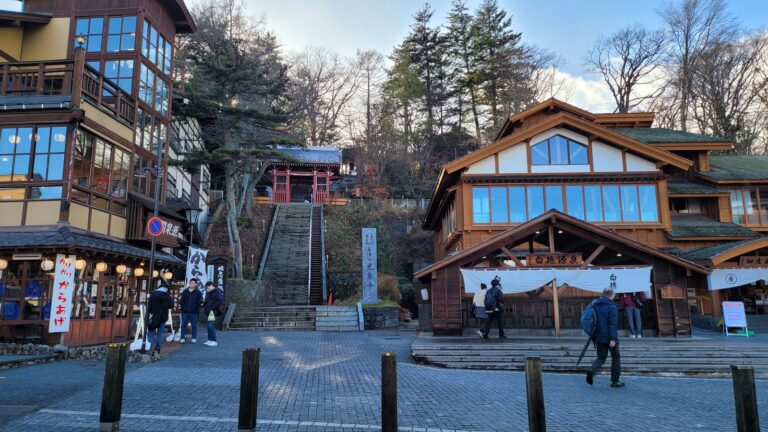
A Guide to Solo Trips to Fine Hot Spring Inns: Quiet Hidden Waters and Meals in Your Room
AuthorMIRUTOBE editors
Table of Contents4 items
On a solo night at a Japanese onsen inn, the stay is decided by the order in which you check things, not by the grade of the inn. The notice posted in the bathhouse tells you on the spot whether the water is diluted, heated, recirculated or disinfected.
Where you eat — in the room or in a private dining room — changes how comfortable a table for one feels, and bathing is capped at 41°C for 10 minutes. Hold those three and the gap between what you paid and how you spent the time gets small. What follows is Japanese law and Japanese agency guidance, so the rules apply to inns inside Japan.
Check first: are the conditions for staying alone in place?
- The rate you are looking at accepts single occupancy, rather than being for two or more
- You know where dinner and breakfast are served — your room, a private dining room, or a communal hall
- If you want a private bath, you have seen how it is booked and what it costs
- On a late arrival, you can still make the last dinner sitting
- For more than one night, you have asked whether the meals change on consecutive nights
The second line is where the difference shows. At an inn that lays out trays in a communal hall, a table for one tends to be put at the edge, with everyone else’s conversation arriving at it. Where a private dining room or in-room service is an option, that never becomes a problem. The price difference is usually a few thousand yen a night, and on a solo trip paying it does more than upgrading the room by one grade. If the bathing itself is what you are unsure of, the onsen etiquette guide sets out the sequence and how tattoos are handled.
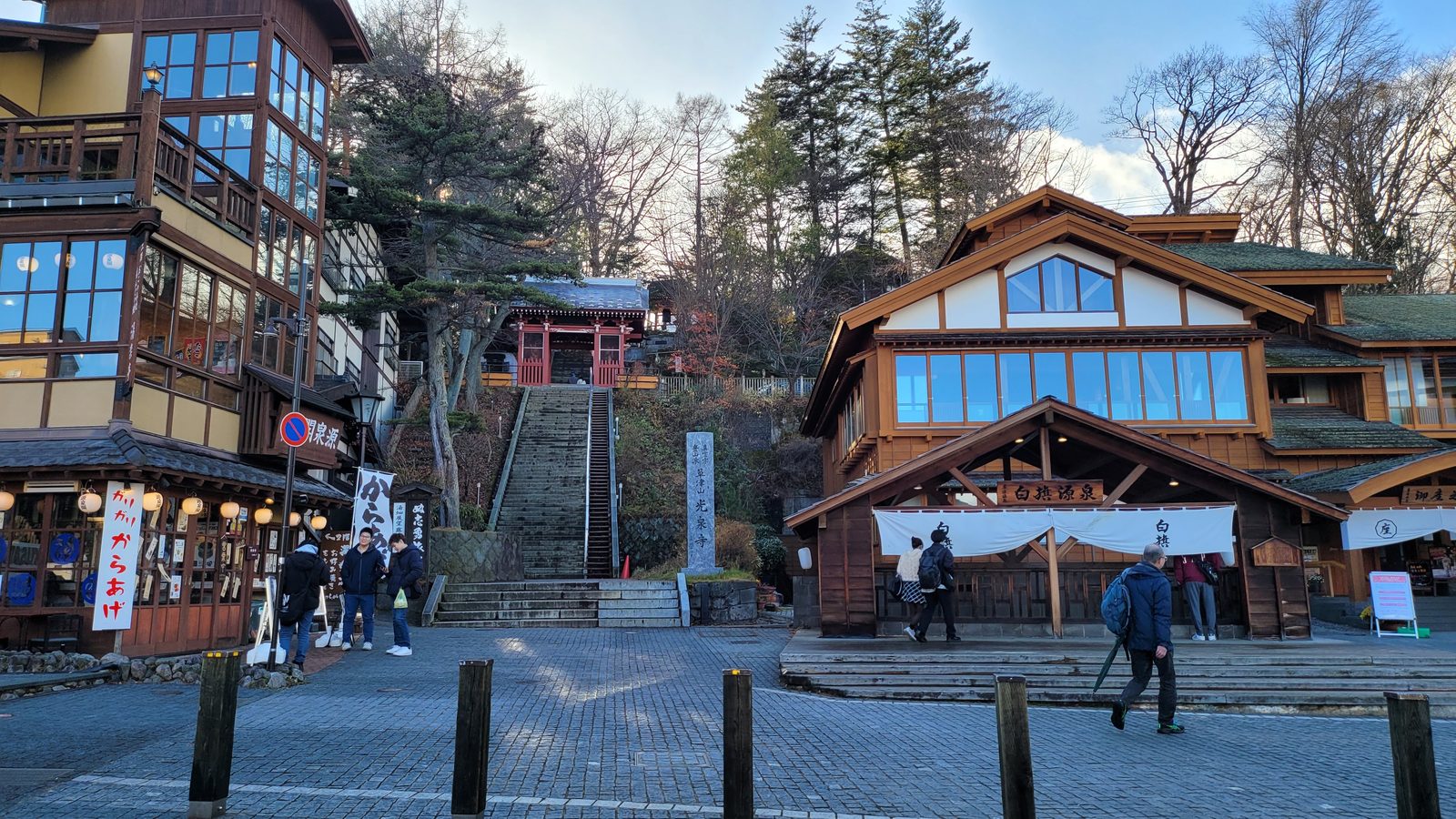
The notice in the bathhouse contains the whole character of the water
Japan’s Hot Springs Act requires any facility supplying hot spring water for public bathing to post a notice somewhere conspicuous inside it. Alongside the source name, the spring type, the temperature, the constituents and the date of analysis, the way the water is handled was added to the list of items from 24 May 2005. Reading that notice is faster than reading the inn’s own description of itself.
Based on the Ministry of the Environment’s outline of the Hot Springs Act under “Protection and use of hot springs”, and on the items added by the 2005 amendment to the Act’s enforcement regulations, in force from 24 May 2005.
What counts as a hot spring at all is also fixed in law. It is hot water, mineral water, steam or other gas emerging from the ground which is either at 25 degrees Celsius or above when drawn, or contains one of the designated substances above a set threshold — total dissolved solids of 1,000 mg or more per kilogram, for instance. Cold mineral springs below 25 degrees still qualify if they meet one of the conditions, such as 1 mg or more of lithium ion or 250 mg or more of free carbon dioxide. A facility advertising “an onsen, though the water is cold” is meeting the requirement on composition rather than temperature.
Where people trip up
“Free-flowing from the source” is not a legal term
The Hot Springs Act contains no definition of the phrase. What it requires to be posted is whether the water is diluted, heated, recirculated and filtered, or treated with additives or disinfectant, and why — and if every one of those is marked “no”, the water is free-flowing in substance. The reverse also happens: an inn’s own copy can say “free-flowing from the source” while the notice has ticks against heating and recirculation. Travelling alone, nobody is waiting for you, so you have a minute in the changing room to read it. That is a real, usable difference from travelling with company.
A single-occupancy rate is set by the room, not by the head count
Ryokan pricing is built as a rate per room divided by the number of people, which makes single occupancy the most expensive way in per person. A room at JPY 20,000 for two commonly falls no further than JPY 15,000 for one. If that feels unfair, it is worth remembering how many inns decline single bookings altogether; the ones that accept them have priced in the cost of an empty second place. To pay less on a solo trip, look for inns with rooms designed for one person from the outset rather than for a large tatami room.
In a bath you have to yourself, nobody notices anything going wrong
The Consumer Affairs Agency gives 41°C as the upper guideline for the water and 10 minutes for how long to stay in it. In 2023, 8,270 people aged 65 or over died from accidental drowning or immersion, and 6,541 of those deaths happened in a bathtub — about eight in ten of the total occurred while bathing. The causes given are the sharp swing in blood pressure between a warm room and a cold changing room or bathroom, and loss of consciousness from the rise in body temperature caused by staying too long in hot water. A private bath or a room with its own open-air bath is exactly where the conditions for going unnoticed are strongest. Avoid bathing straight after a meal or after drinking, warm the changing room, and do not stand up out of the water suddenly. Alone, keeping to those three is entirely down to you.
Three things to settle before booking
First, where you will eat. Find in-room service, a private dining room or a communal hall in the description of the rate. Where it is not stated, telephoning is quicker, and the call also tells you how used the inn is to single guests. Second, how you are counting the baths: decide in advance how many of the indoor, open-air and private baths you will use and how often, and the shape of the stay follows. Third, the arrival time. Dinner sittings have a last slot, and missing it means either being served in the room or eating nothing until morning.
Settle those three before looking at inns and the field narrows sharply. Do it the other way round — choose on photographs and then check the conditions — and you come back to the start because single occupancy is not accepted. Searching for a solo stay should begin from the moment you set the party size to one.
The season shifts the decision as well. The bathtub accidents the Consumer Affairs Agency describes are concentrated in the winter months, November to April, and of the 6,541 people aged 65 or over who died in a bathtub in 2023, 6,073 were in a home or residential facility. In raw numbers, the domestic bathroom accounts for more of them than the inn’s bathhouse. Even so, a long soak in an open-air bath on a winter solo trip puts you in a sharper temperature difference than your own bathroom does. Whether the changing room is warm, and whether there is a handrail on the way out of the water, is something to look at during the first bath of the stay.
The notice is not the only way to check the water itself. Supplying hot spring water for public bathing or drinking requires permission from the prefectural governor, or from the mayor of a city that operates its own public health centre. Permission is refused where the composition is found to be harmful to health, among other grounds, and the posting requirement falls on facilities that hold it. A bathhouse with no notice anywhere may not be registered as a hot spring at all, which is worth weighing against whatever part of the room rate is being charged for the word.
It does not suit everyone. A ryokan with fixed times for dinner and breakfast is confining if you want to move at your own pace. Take check-in to check-out as a single day and the hours you can actually do as you like are shorter than they look. If holding your own time matters, a room-only rate or a stay-focused property fits better. Building a longer stay with work in it is covered in the guide to long stays in hot spring country.
One more approach is to pick a town with public baths. Rather than keeping everything inside the inn, slotting in one or two of the town’s baths gives you a reason to go out alone. Where the external baths are part of daily life, as at Kusatsu or Nozawa, that rhythm comes naturally. To start from a destination instead, a plan with well-known waters built into the route — Kanazawa and Kaga Onsen over two nights — makes a workable base.
At Kurokawa Onsen in Kumamoto, the town’s baths come on one ticket: the Nyuto Tegata bathing pass, JPY 1,500 for an adult, lets you choose three baths from 25 ryokan, and a 40th-anniversary design of 50,000 passes went on sale on 1 July 2026.
- Ministry of the Environment — the definition of a hot spring ↗Checked on 2026-09-14
- Ministry of the Environment — outline of the Hot Springs Act (notices, analysis of constituents) ↗Checked on 2026-09-14
- Ministry of the Environment — items added to notices at hot spring facilities (in force 24 May 2005) ↗Checked on 2026-09-14
- Consumer Affairs Agency — take care over bathing accidents among older people, which peak in winter ↗Checked on 2026-09-14
Source: the reference block above / Photo: Wikimedia Commons / Checked on 2026-09-14
Other sales ending soon




 4 days leftuntil Oct 24Air Busan Takamatsu-Busan Coupon: Up to 9,000 Yen Off Until October 24
 5 days leftuntil Oct 25JAL Hong Kong Campaign: Tokyo–Hong Kong Round Trip from 75,800 Yen (until 25 Oct)
 11 days leftuntil Oct 31Jin Air Kobe–Seoul: 5,000 yen off a round trip with code KTOUKB1, until 31 October
 11 days leftuntil Oct 31Jin Air to Busan: 4,000 yen off a round trip with code KTOPUS, first 300 only