Fukuoka 2-Day, 1-Night Model Plan After a Late-Night Budget Flight: Avoiding an Airport Overnight
AuthorMIRUTOBE editors
Table of Contents7 items
Two days in Fukuoka without a car. A subway day pass reaches Kushida Shrine, Ohori Park and the gold seal; the room goes in Hakata or Tenjin. Since April 2026 the last trains run later, so a midnight landing no longer means a night at the airport.
Itinerary
DAY 1From a midnight arrival, across Hakata from east to west
Why this order: the arrival day does nothing but travel, and from the next morning the plan moves west along one subway line. With no changes to make, a first day on little sleep does not fall apart.
What makes Fukuoka easy without a car is that the airport, the entertainment districts and the museums all sit on the same line. The Kuko subway line starts at Fukuoka Airport in the east and runs west through Hakata, Nakasukawabata, Tenjin, Ohorikoen and Nishijin. Of the places in this itinerary, Kushida Shrine and the Kawabata arcade are Nakasukawabata, the Fukuoka Art Museum and Ohori Park are Ohorikoen, and the Fukuoka City Museum and Momochihama are Nishijin. Nearly all the movement over two days is a straight line with no changes, and with so little to get wrong, even a first day that starts short of sleep holds together.
Plans for a city divide into two shapes: splitting it by district, the way the Kyoto plan by area does, or threading it along a single line, which is what this one does. Cities where one subway line reaches the airport suit the second shape, and Fukuoka is the clearest example of it.
After midnight: three ways from the airport to the hotel
Fukuoka Airport sits close to the city, with the subway station underneath the domestic terminal. That much has always been true; what changed in 2026 is how a midnight arrival works. In a notice dated 11 March 2026, the Fukuoka City Subway announced the Midnight Train — extended last-train times across the whole network from Monday to Saturday, to improve access late at night — running from 1 April 2026.
There are three options for a late landing: the subway into town, a taxi, or waiting at the airport for morning. On the days the Midnight Train runs, the first is cheapest by a distance, and only on Sundays, when it does not, do the other two come back into play. Taxi fares change with distance and hour, so no flat figure can be quoted.
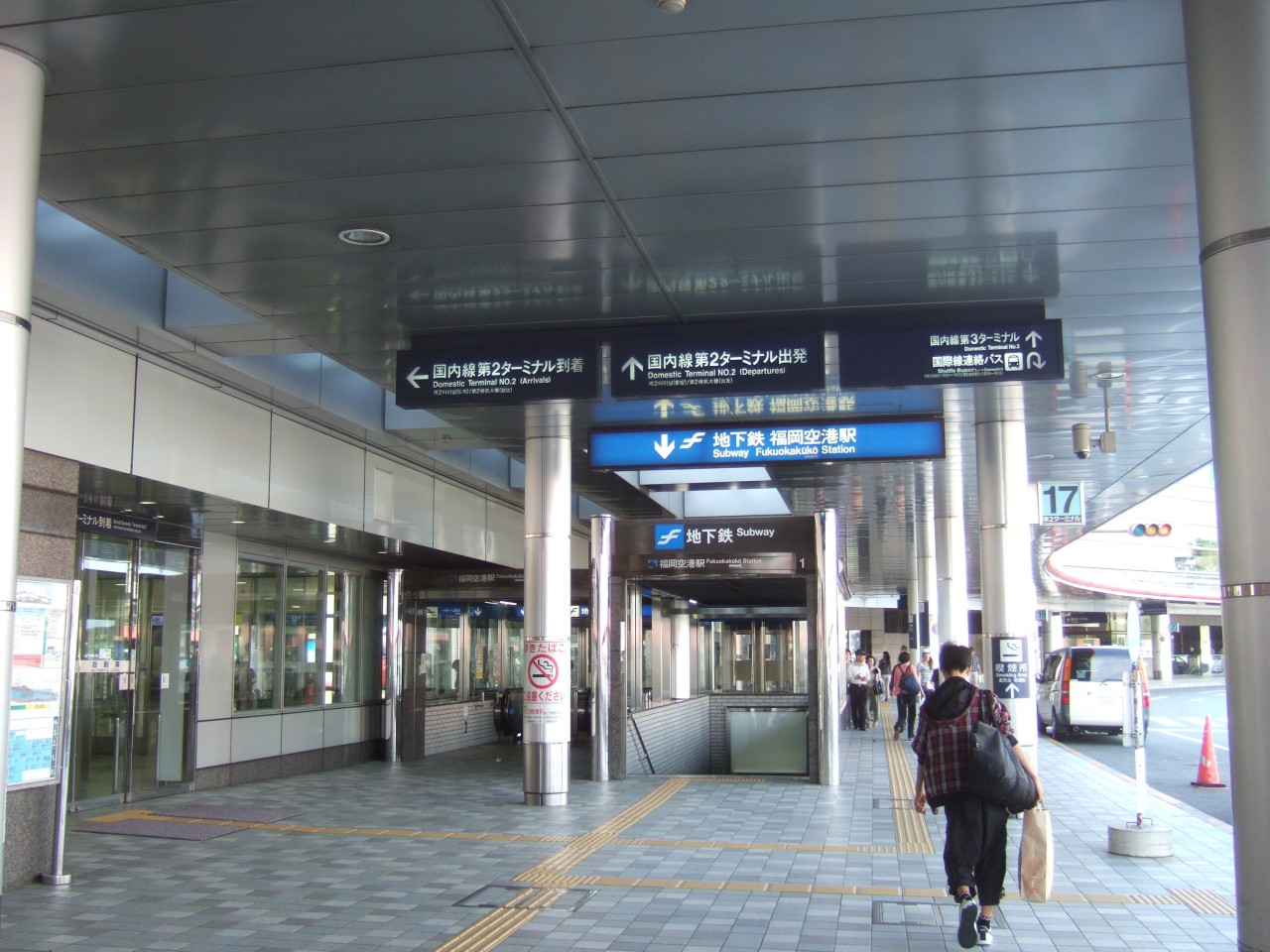
The dividing line is the day of the week. The extension covers Monday to Saturday and does not include Sunday. Book a late-night arrival on a Sunday and you are working to the old last train. Whether your flight lands on a Sunday is the very first thing to check before building anything else.
The actual last-train times differ by station and are published as the platform timetable PDFs on the official site. Two timetable revisions landed in succession, on 14 March and 1 April 2026, and the times move with each one. Before booking, put your arrival time and the last train from Fukuoka Airport station on that date side by side. If you are choosing to wait at the airport, check the terminal’s opening hours first: some airports are open 24 hours and some are not, and at the ones that close you wait outside the building. That single point is worth looking up before booking a flight that lands after midnight.
The day pass covers the whole subway network for the calendar day only, and a ride taken after midnight cannot be carried into the next morning. If you land past midnight, pay the single fare that night and start the pass the following morning. Landing in the 23:00 hour, buy it that day and start using it on the evening’s journey.
The room goes near Hakata Station or in Tenjin. Whether a hotel takes a late check-in depends on the hotel, and many have a cut-off. Not giving your arrival time when you book can leave you unable to get in, so putting the flight number and the arrival time in the notes field is the reliable move.
Arriving after midnight, the only things you need are what you use between the airport and the room. Nobody opens a suitcase during a late-night transfer. Packing what you need in the morning separately from that means you can sleep as soon as you arrive. On an LCC with hold baggage, the case comes to the hotel on the arrival night and goes into a locker at Hakata Station on day two before you head west. Checked baggage on domestic flights has a deadline, and at Haneda it moved to 30 minutes before departure on 1 September 2026; how to count back from it is in the note on the Haneda baggage cut-off.
Walking comes to roughly 4 to 6 kilometres a day. Circling Ohori Park and then walking out to Momochihama can leave nothing in your legs for the second afternoon. Shoes you have already broken in do more work than usual on this itinerary.
Morning: Kushida Shrine runs straight into the Kawabata arcade
The first morning gets off at Nakasukawabata. The shrine approach leads directly into the arcade, so the two go together as one block.
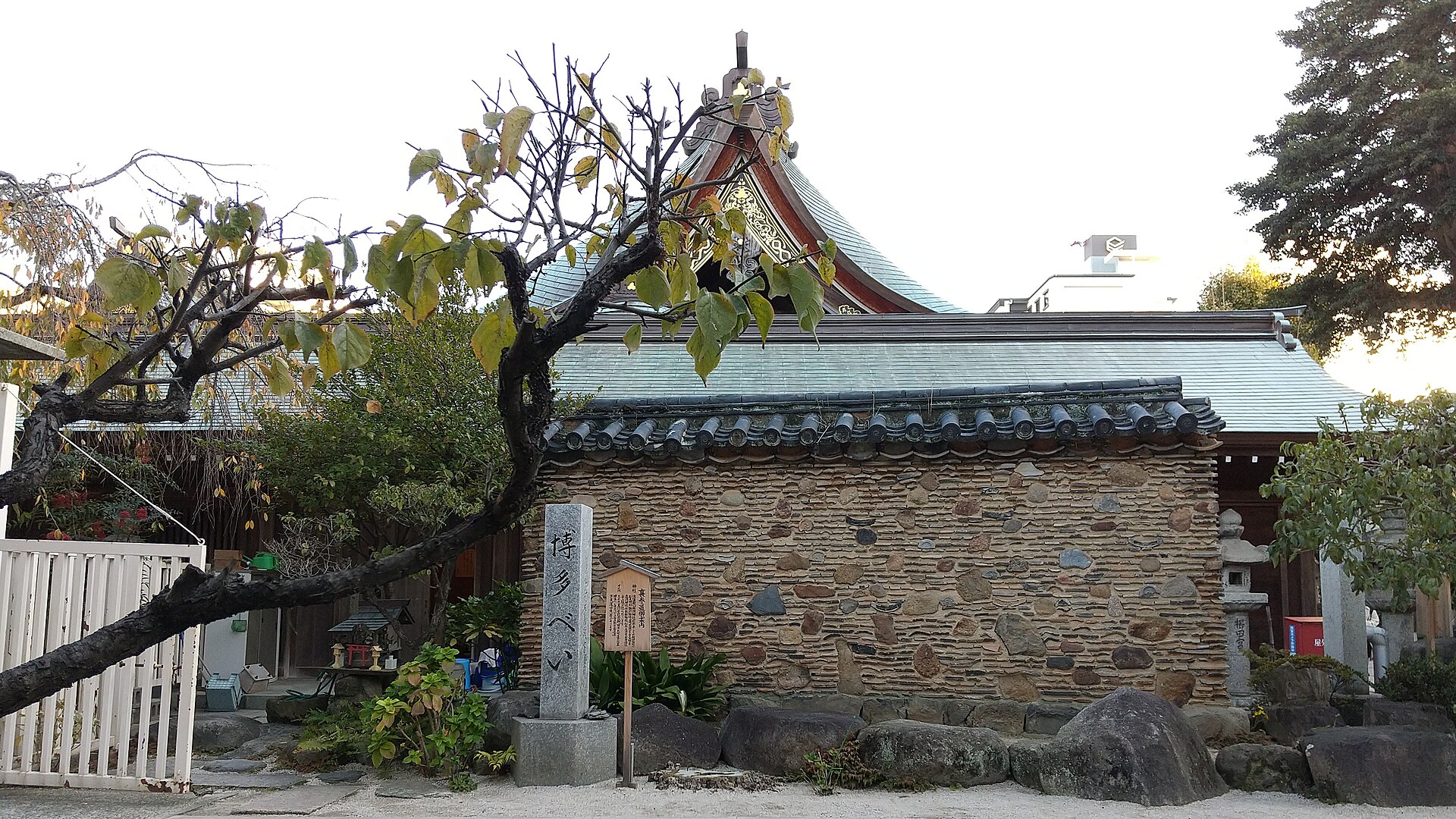
Highlights: the shrine keeps a decorated Hakata Gion Yamakasa float on display all year. The grounds are not large, so thirty minutes covers them even stopping for photographs. There are also surviving stretches of what is called Hakata wall — earthen walling packed with burnt stone and roof tile, with a texture nothing else has. It is not showy, but it is the history of a city rebuilt after it burned, standing there as a wall, so leaving after only looking at the float wastes the visit.
Practical note: come early and there are few people, which lets you photograph the float head on.
- Nearest
- Gion or Nakasukawabata on the subway
- Entry
- JPY 0
Highlights: being covered, it keeps the day moving in the rain. It is five minutes from Kushida Shrine and continuous with the approach. Arriving before midday, some shops will not be open yet.
Practical note: you can enter the arcade from Nakasukawabata station without coming up to street level, so on a wet day you reach Kushida Shrine without stepping outside once. Knowing that route or not is the difference between two quite different first days in the rain.
- Nearest
- Nakasukawabata on the subway; continuous with Kushida Shrine
- Entry
- JPY 0
Afternoon: walk Ohori Park and carry on into the art museum
Nakasukawabata to Ohorikoen is one ride on the subway. The park and the museum adjoin, so those two are the whole afternoon.
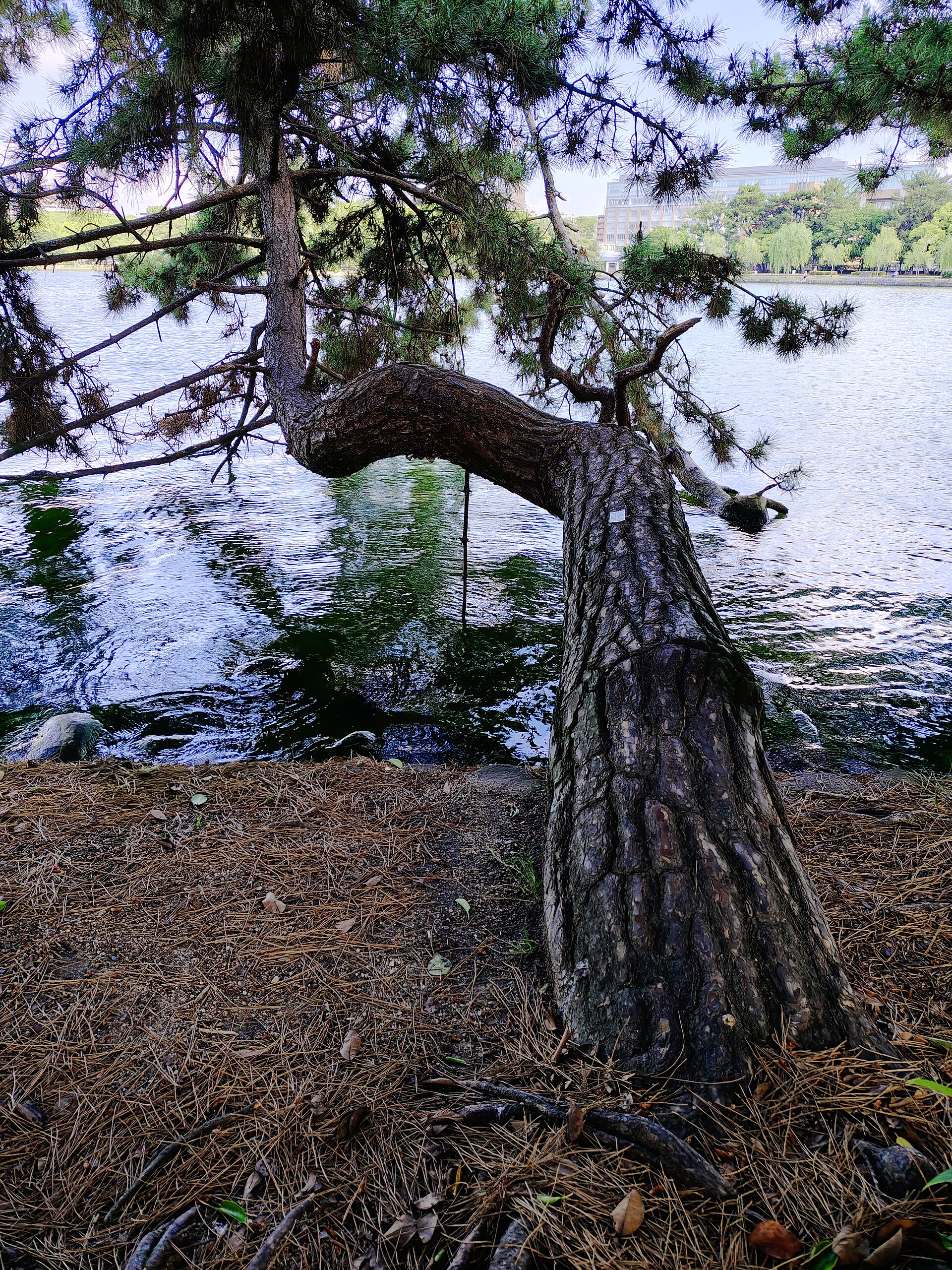
Highlights: the path around the pond runs about two kilometres. A chain of islands crosses the middle of the water, linked by bridges you can walk. In places you can get down close to the surface, so taking the route through the islands gives a photographer more to work with than the outer path.
Practical note: walking the whole way round takes about forty minutes, so if you are behind, going along the south side and cutting through to the museum still works.
- Nearest
- Ohorikoen on the subway
- Entry
- JPY 0
Highlights: it adjoins the southern side of Ohori Park, so you walk out of the park and straight into it. Not many museums let you see a permanent collection at this price, which also makes it the place to retreat to on a wet day. Special exhibitions are charged separately.
Practical note: the collection exhibition is JPY 200 general, which makes it easy to price as somewhere to drop into when time is left over.
- Nearest
- South side of Ohori Park, five minutes from the park
- Hours
- 9:30–17:30 (entry to 17:00)
- Admission
- Collection exhibition, general JPY 200
- Official
- Official site ↗
Evening: have one indoor option for dinner in Nakasu or Tenjin
The first evening goes back towards the hotel. Whether you build the yatai stalls into it changes what you have to prepare.
Highlights: how many yatai open varies with the weather and the season. Planning a wet evening around them means arriving and then hunting for one that is trading.
Practical note: holding one indoor option in reserve keeps the first evening from collapsing. Some stalls take cash only, so if they are in the plan, decide in advance whether you are carrying cash. Some hotels settle the lodging tax on the spot, so counting that into the same allowance keeps you from running short.
- Nearest
- Nakasukawabata or Tenjin on the subway
Payment is largely card-friendly here, since the subway accepts contactless. The two places cash is actually needed are the yatai and hotels that collect the lodging tax at the desk.
DAY 2See the gold seal, then one subway line back to the airport
Why this order: go all the way west, then come back to the airport on one line. Set it up so the luggage can sit in a locker at Hakata Station.
Morning: the gold seal takes minutes, so see the whole gallery
Day two gets off at Nishijin. The museum and the sea are next to each other, so the western side is finished in a morning.
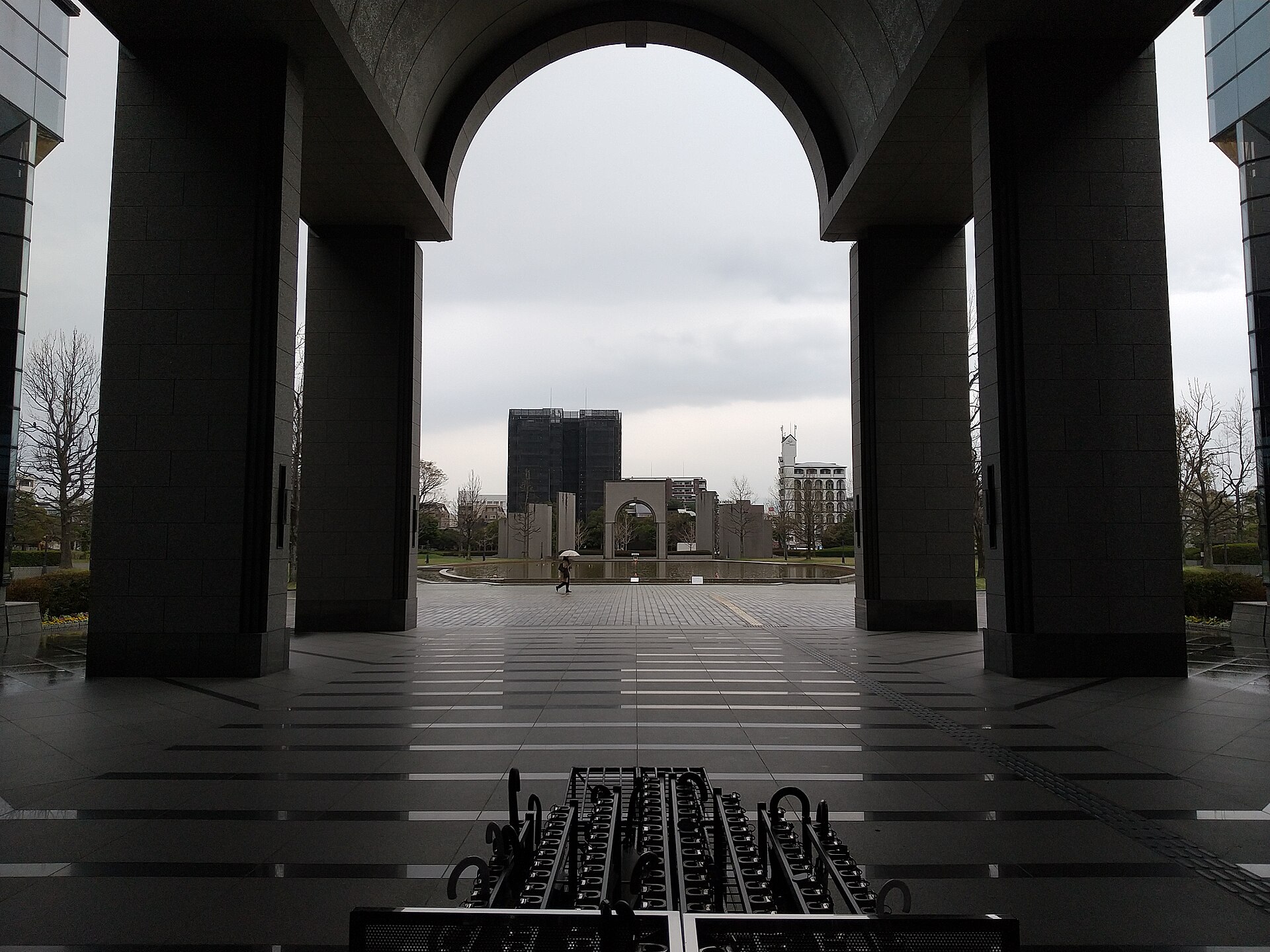
Highlights: the National Treasure gold seal, inscribed King of Na of Wa under the Han, sits in section 1 of the permanent display. It was found on Shikanoshima in 1784, about 240 years ago, and the five characters on its face are taken as evidence of Japanese diplomacy around the first century. The object itself is startlingly small, and coming only for the seal means being finished in a few minutes, so budgeting about ninety for the rest of the gallery as well is what makes the visit worth it.
Practical note: it is placed on the second morning because that avoids both the closing day and the admission cut-off. On an itinerary whose second day falls on a Monday, this disappears entirely.
- Nearest
- On foot from Nishijin on the subway
- Hours
- 9:30–17:30 (entry to 17:00)
- Closed
- Mondays (the next weekday when a Monday is a public holiday)
- Admission
- Permanent display, general JPY 200; senior high and university JPY 150; free for junior high age and under
- Official
- Official site ↗
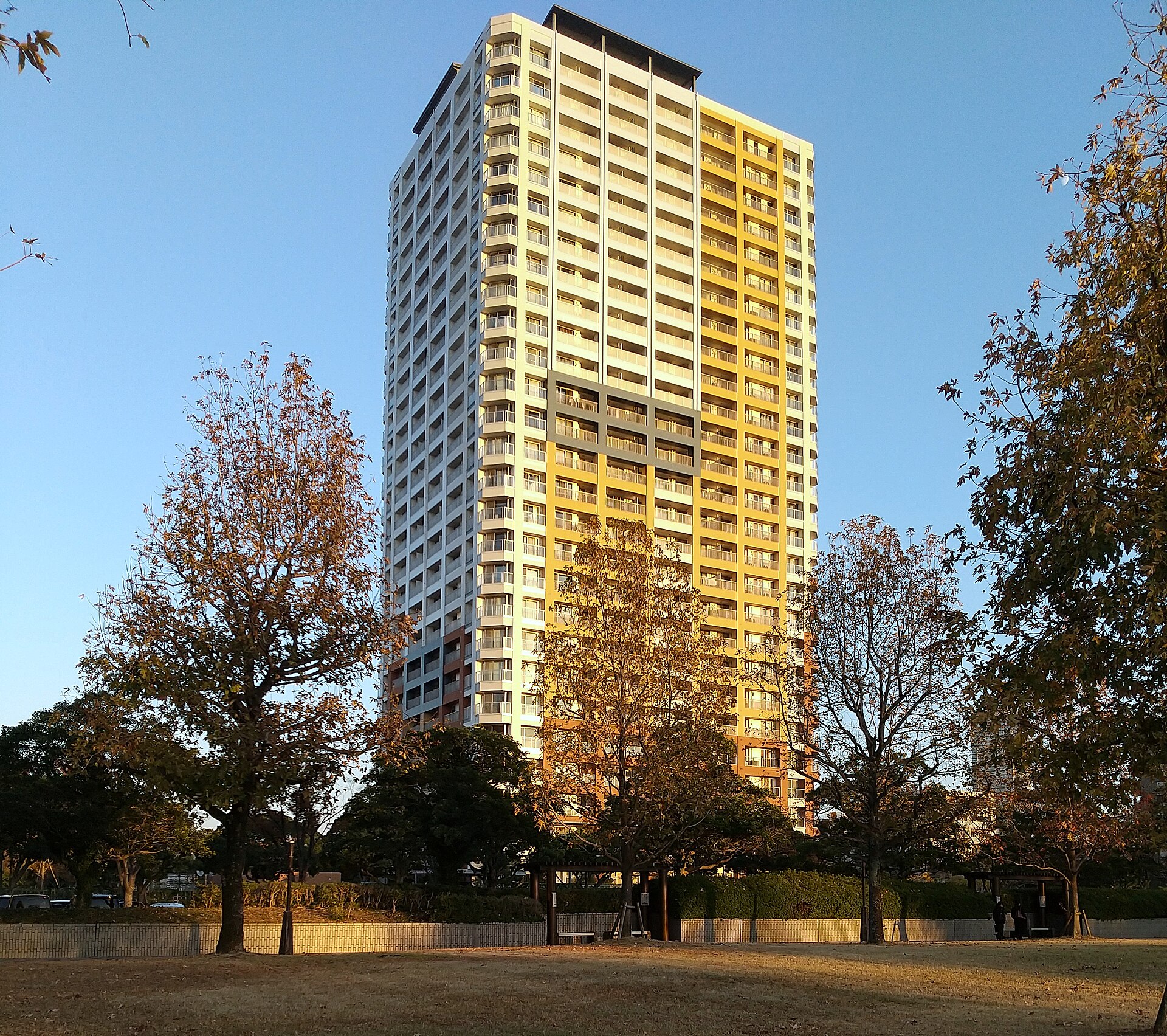
Highlights: an artificial beach and a promenade along the water, about ten minutes on foot from behind the museum, with the path running from the museum side out to the sea. On a clear evening it is worth spending time here, but the second afternoon has to get back to the airport, so the morning is where it fits without strain.
Practical note: Fukuoka Tower is in this area too, and whether you go up changes how long you stay. The observation deck is not a city facility and is run separately, with prices on the operator’s own site. Not going up, forty minutes covers the area comfortably.
- Nearest
- 10 minutes on foot from the Fukuoka City Museum towards the sea
- Walking
- JPY 0
Afternoon: Hakata to the airport is short, so you can stay in the station
Nishijin to Hakata is about twenty minutes on the subway. Put the luggage in a locker at Hakata Station in the morning and you simply collect it on the way through to the airport. With no return trip to the hotel, day two runs all the way west and folds straight back east in one line.
Highlights: Hakata to Fukuoka Airport is a few stops on the subway. With the airport this close to the centre, you can stay in the station building until shortly before departure.
Practical note: staying at Hakata Station until two hours before boarding still works at this distance.
- Nearest
- Hakata on the subway; about 20 minutes from Momochihama
What to work from is the journey time from Hakata or Tenjin to the airport station plus the security cut-off on top. Boarding at Nishijin, it is still a straight run with no changes, which keeps it predictable. Sightseeing in the city until 17:00 and taking a flight in the 19:00 hour is a realistic plan. How far the second morning can stretch depends on the museum’s admission hours, and since this itinerary enters in the morning, that is not the constraint. The constraint is the Monday closure.
Alternatives
Rainy-day swap
This itinerary handles rain fairly well. Kushida Shrine connects to the Kawabata arcade under cover, and dropping Ohori Park still leaves two indoor destinations in the Fukuoka Art Museum and the Fukuoka City Museum. Only two things vanish in the wet, the path round the pond at Ohori Park and Momochihama, and both are free, so nothing changes financially. Cut those two on a fine day, though, and what remains is indoors and monotonous.
Those same two outdoor blocks are also the only parts the season touches. The two museums and the covered Kawabata arcade run identically all year. In summer, stretches of the Ohori Park path have little shade, so planning on a full circuit wears you down; walking only the south side and escaping into the Fukuoka Art Museum leaves more in reserve for the afternoon. In winter the light goes early, and putting Momochihama in the late afternoon means arriving after dark. Moving the seaside to the second morning and giving the afternoon to the indoor sites fits better.
The Hakata Gion Yamakasa period needs rearranging for a different reason. Kushida Shrine keeps a decorated float on display year round, but during the festival the crowding in the grounds is a different thing entirely. If the point is photographing quiet grounds, that period does not work. Avoiding the dates and arriving first thing is the reliable answer.
If the flight is delayed by an hour or more
Missing the last train on the way in leaves a taxi or a night at the airport. Anyone landing late on a Sunday is in the same position and cannot use this itinerary as written, because the Midnight Train extension covers Monday to Saturday and Sunday keeps the old last train. In that case the choice is a room near the airport for the first night only, or a flight that lands in time for the last train. From the following morning the plan is unchanged either way.
Spending the night at the airport and starting on the first service is another way to do it. This plan does not choose that, and the reasons are worth setting out. The largest is that it takes time out of the next day. Beginning day one after a few hours dozing on an airport bench means concentration going in the afternoon. DAY 1 covers Kushida Shrine, the Kawabata arcade, Ohori Park and the Fukuoka Art Museum, and the second two involve the most walking, which is what gets dropped when energy has gone. Saving the price of a room and losing two of the places you came for makes the balance doubtful.
The second is luggage. A night at the airport means meeting the morning with your bags, so after taking the first train into the city you spend time looking for a locker. With a room booked, the bags go down in the small hours and you leave empty-handed the next morning, which makes the whole of day one lighter. And in Fukuoka there is, in the first place, a way into the city late at night. In a city where you cannot move from the airport after midnight, sleeping there has a logic; in Fukuoka you can move, so one of the reasons for choosing it has gone.
There are conditions under which it does make sense: landing late on a Sunday with no last train, and going straight out to another city on the first Shinkansen or coach in the morning. Not staying in Fukuoka, a room is of little use and the bags do not move. This article is written for someone using the city for two days, and the conditions there are different.
The return leg works the same way. Some LCC services close early, and the counter deadline for hold baggage varies by airline and by flight. How many minutes before departure is something only the official notice will tell you. Travelling without hold baggage buys slack; with it, count back from the deadline to decide when you leave the city. The reasoning is exactly the Haneda case set out in the note on baggage closing 30 minutes before departure. Coming home through Fukuoka Airport, being relaxed because the airport is close is how people get caught in the same way.
When you’re tired
The first thing to cut is the full circuit of Ohori Park, and the second is Momochihama. Walking only the south side of the park and cutting through to the Fukuoka Art Museum frees forty minutes without changing the shape of the day. Momochihama disappears together with the walk out and back from the museum, so that is what goes if the afternoon needs room. Both are free, so cutting them changes nothing in the budget.
If the second day falls on a Monday, the Fukuoka City Museum is closed. In that case move the second morning to Ohori Park and the Fukuoka Art Museum and give the first afternoon to walking Nakasu and Tenjin, which raises the share of free attractions and brings the cost down further.
With children, admissions get lighter. The permanent display at the Fukuoka City Museum is free for junior high age and under, and the cultural exchange exhibition at the Kyushu National Museum is free under 18. Only the adults pay, so a family of four still pays two adult admissions in total. The walking, on the other hand, is set for adults, so cutting either the circuit of Ohori Park or Momochihama is the realistic adjustment.
Taking a late flight home empties the whole of the second afternoon. In that case there are three ways to use it: extend the walk at Momochihama, go back to Tenjin and shop, or add the Kyushu National Museum. The trip out to Dazaifu and back only fits in this late-flight version.
Why we skipped Dazaifu
Dazaifu Tenmangu, the standard addition, is left out of this itinerary. On two days that begin with a midnight arrival, the journey there and back runs to around forty minutes each way, and on a schedule with a short first night, this is what gets cut. The two city museums take its place.
The Kyushu National Museum goes for the same reason. Its cultural exchange exhibition is JPY 700 general, open 09:30 to 17:00 with entry to 16:30, and free for under-18s and for anyone of 70 and over — on price alone it is easy to add. But it is in Dazaifu, and the journey out and back costs time. Forcing it into two days means the second day is nothing but travel, so if you want it, extend to three. Anyone who can add a third day will find Dazaifu works best as a day of its own: the Kyushu National Museum and Dazaifu Tenmangu are in the same area and, with the approach to walk, make up half a day to a full day. Splitting it as two city days from this article plus Dazaifu on the third means neither day loses hours to travel.
Because admissions are so light here, there is still room to add inside the city. Fukuoka Tower is at Momochihama, within walking distance of the Fukuoka City Museum, and whether you go up changes the second day’s timing, so check the operator’s site before you go. To add something without spending, the seaside walk is there: the Momochihama promenade runs from the museum side out to the water.
Where to stay
On a night with a late landing, the only condition is being close to a subway station. How far you walk after arriving matters more to the next day than the hotel’s facilities or its breakfast. After that, only the choice of station is left.
Fukuoka has two centres: Hakata, which connects to the Shinkansen and the airport, and Tenjin, the commercial and nightlife district. They are two stops apart on the Kuko line, and as places to book a room they behave differently.
The reason to choose Hakata is the shortness of the journey. A few subway stops from the airport, lockers in the station for the bags on the way home, and a straight continuation if you are connecting to the Shinkansen. It is the shortest distance to cover on a late-arrival night and it matches an itinerary built around sleeping as soon as you get in. What it gives up is the evening: Tenjin and Nakasu are far richer for walking at night, and around Hakata Station things go quiet once the station building shuts.
The reason to choose Tenjin is the reverse — the evening options, and a first morning that already faces west. Both days in this plan move west, so a room in Tenjin shortens the first morning by one stop. Against that, the late-night journey from the airport is two stops longer, so when the arrival is tight against the last train, getting off at Hakata is safer. Gion and Gofukumachi sit between the two and are within walking distance of Kushida Shrine, which makes those two stations the shortest route for anyone who wants the float first thing in the morning. Rates there are often calmer than in front of Hakata Station, which puts them in the running when the first night needs to be cheap. From anywhere within five minutes of a subway station, this itinerary works unchanged.
Rates move even for identical dates, which is why no room figure appears in the table below. If you want to fix timed activities around the stay, Klook lists Fukuoka slots by date.
Whether a hotel accepts a late check-in differs from place to place. Where the desk is not staffed around the clock, arriving past the stated hour means not getting in. If the arrival is going to be after midnight, confirming the reception hours before booking is the only protection.
Book in this order: the flight, the room, then anything on the ground. Secure the late-night flight first, check the hotel’s reception hours against that arrival time, and think about admissions last. Reverse it and you book a room only to discover it cannot take a late check-in, and have to book again. Admissions can be bought on the day, so they belong at the end.
What this trip costs
Assumptions: two adults, no car, landing at Fukuoka Airport after midnight, one room near Hakata Station or in Tenjin. Airfares vary too much by flight to belong in the total, so what is listed is what you spend on the ground. The room and meals are also out, because their prices move even for the same dates — put a figure from one day in and it is a different number the following week. What is listed is the part that barely moves: published rates.
Every figure above is the published rate as of 2026-08-25.
That JPY 3,360 is fixed. What sits on top of it is the flight, the room and the food, and all three answer to your own choices. Rebuilding the budget goes fastest if you settle the widest-ranging item first.
The widest is the airfare. There is a several-fold gap between an LCC sale fare and a standard one, and whether you check a bag moves it again. Late-night flights are generally cheaper than daytime ones, which is the whole reason this itinerary is built around a midnight arrival. Where those fares come from, and how to think about seat selection and baggage charges, is set out in the guide to booking cheap flights.
Next is the room, whose nightly price moves with the day of the week and the season. Fix the single condition of being within five minutes of a subway station and everything else can be chosen on price. Where a municipality levies a lodging tax, there may be tax to settle locally on top of the displayed rate. Those rates differ by municipality, so when totalling everything up, the comparison of what the lodging tax adds per night across five cities stops it being a surprise at the desk.
Food changes character depending on whether the yatai are in the plan. Their per-head spend is hard to predict and the number trading moves with the weather, so if you want a figure in advance, holding an indoor place in reserve makes it calculable. The other way round, you can set what you will spend at a stall as a ceiling and work to that.
Four things add up to the total and only three of them move. Transport and admissions do not shift unless the itinerary does, so what to touch when tightening the budget is decided for you. No fare arithmetic is needed on the day either.
Admissions come to JPY 800 for two because Kushida Shrine, the Kawabata arcade, Ohori Park and Momochihama are all free, and the only charges are the two museums. Building the skeleton of the trip out of free attractions and narrowing the paid part to the gold seal and a collection exhibition is what produces that figure.
There is also a way to avoid buying a ticket at all. The Fukuoka City Subway caps the charge: when the day’s total on one contactless card exceeds JPY 640, the amount billed is reduced to JPY 640, the same as the day pass. Tapping through the gates with one card applies the cap on its own and removes the queue at the machine. The one thing to confirm beforehand is that you need a separate card per person.
This itinerary is costed assuming the JPY 640 cap is reached on both days: three rides on DAY 1 and three on DAY 2, over distances whose single fares add up past JPY 640. If DAY 1 stays around Hakata instead, there are days when paying individually beats buying a pass. Where the plan is shortened, count that day’s boardings before you buy.
Two kinds of traveller should not use this plan as written: anyone landing late on a Sunday night, and anyone whose second day falls on a Monday. The first is outside the Midnight Train extension and faces the earlier last train; the second finds the Fukuoka City Museum closed. Either way, take a room near the airport for the first night, or move the second morning to Ohori Park and the Fukuoka Art Museum. The same single-line approach applied to a day trip is the day out from Hiroshima to Miyajima. Durations and visit lengths here are estimates built from official distances and typical viewing times.
Sources: Fukuoka City Subway; Fukuoka City Museum; Fukuoka Art Museum; Kyushu National Museum / Checked on 2026-08-25 / Photographs: Atsasebo (CC BY-SA 3.0), Hirho (CC BY-SA 4.0 / CC BY 4.0), Wikimedia Commons / Featured image: tsuna72, CC BY 2.0 (Wikimedia Commons)
Other sales ending soon




 4 days leftuntil Oct 24Air Busan Takamatsu-Busan Coupon: Up to 9,000 Yen Off Until October 24
 5 days leftuntil Oct 25JAL Hong Kong Campaign: Tokyo–Hong Kong Round Trip from 75,800 Yen (until 25 Oct)
 11 days leftuntil Oct 31Jin Air Kobe–Seoul: 5,000 yen off a round trip with code KTOUKB1, until 31 October
 11 days leftuntil Oct 31Jin Air to Busan: 4,000 yen off a round trip with code KTOPUS, first 300 only