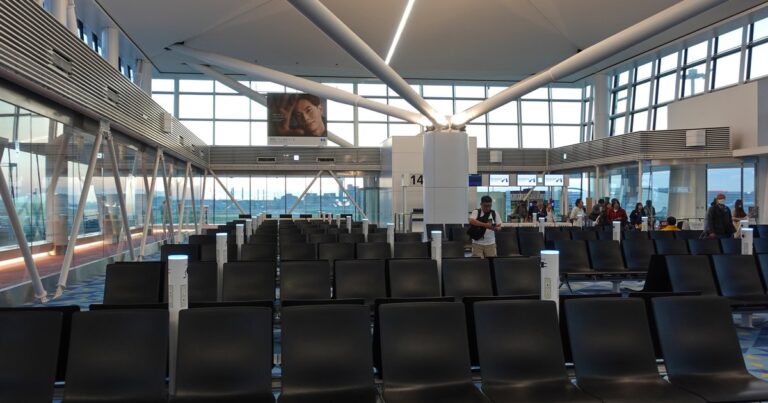
Haneda & Narita Airports Baby & Kids Guide: Nurseries, Stroller Rental & Play Areas
AuthorMIRUTOBE editors
Table of Contents5 items
Traveling by air with infants or young toddlers can be challenging, especially during transit or long layovers between flights. Navigating large airport terminals, finding hot water for formula, locating quiet nursing rooms, or managing heavy strollers are common concerns for traveling families. As explored in our analysis of why connecting flights are cheaper than direct flights, transiting through major hubs requires careful time management to ensure safety and comfort.
This article provides an objective, factual guide to baby and child-friendly facilities at Tokyo’s two major international hubs—Haneda Airport (Tokyo International Airport) and Narita International Airport. Based on official terminal information and civil aviation guidelines from Japan’s Ministry of Land, Infrastructure, Transport and Tourism (MLIT), here is a complete breakdown of services, access rules, and transit logistics.
Haneda Airport: Facilities and Operational Rules
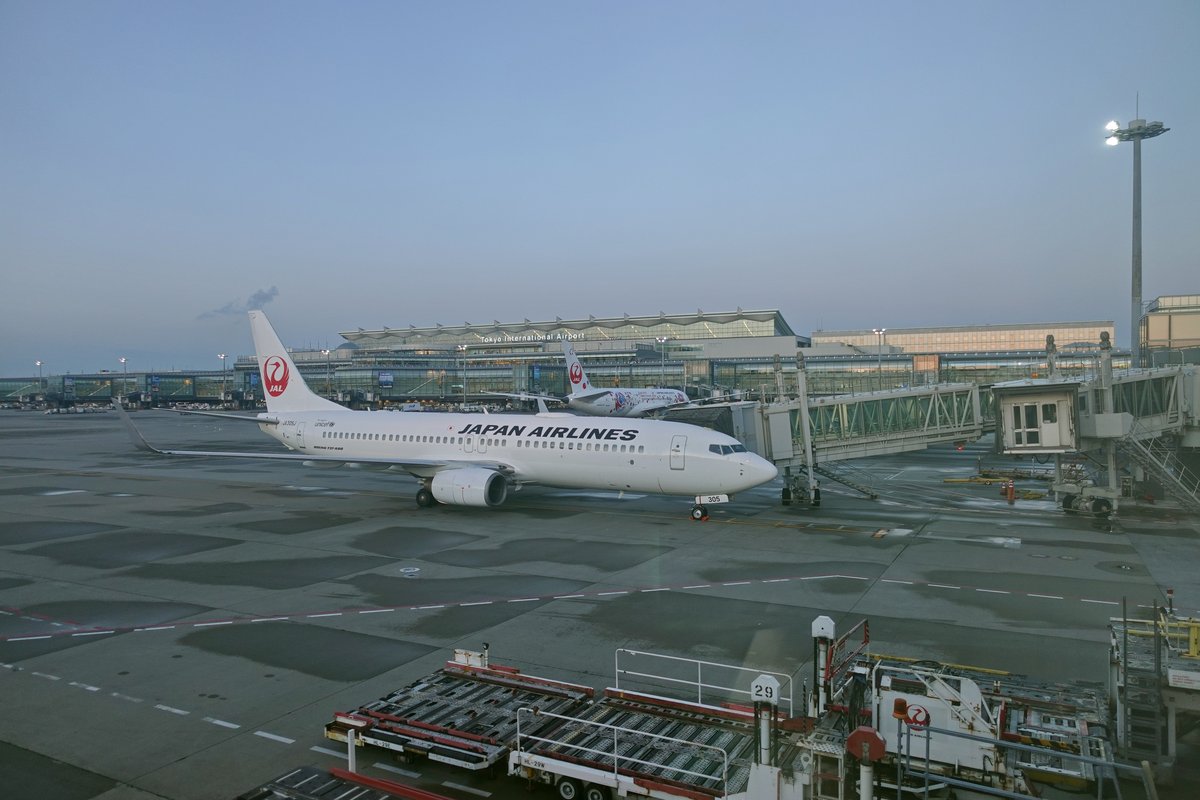
Haneda Airport operates three passenger terminals: Terminal 1, Terminal 2, and Terminal 3. Every terminal features dedicated baby rooms and comprehensive family services, designed to meet strict standards alongside broader airline flight rules across Japan.
Baby Room Amenities and Paternal Access
Baby rooms at Haneda Airport are equipped with private nursing booths, baby changing tables (diaper changing stations), washbasins, and hot water dispensers for baby formula. The hot water provided is maintained according to strict health and safety standards for instant baby formula preparation.
Importantly, official airport regulations explicitly state that “Male passengers and fathers are welcome to enter all areas of the baby room except the private nursing booths.” While the private nursing booths are reserved exclusively for women to protect privacy, fathers can freely access the diaper changing stations, washbasins, and hot water facilities. This design allows parents to share infant care duties without restriction.
Locations: Landside and Airside Gate Distribution
A major advantage of Haneda Airport is the widespread availability of baby rooms both before security (landside public areas) and after security (airside departure gate areas). For passengers connecting between flights, baby rooms are situated along the transit corridors and near departure gates, eliminating the need to exit the secure area. In Terminals 1 and 2 (domestic), baby rooms are evenly distributed across all gate blocks. In Terminal 3 (international), multiple fully equipped baby care rooms are accessible throughout the post-security departure concourse.
Free Airport Stroller Rentals
Free terminal strollers are available near information counters and check-in desks across all terminals. When checking in personal strollers as hold luggage at the airline counter, parents can transfer their child directly into an airport-provided stroller. These strollers can be used through security checkpoints and right up to the aircraft boarding gate, where airline ground staff collect them before boarding.
Narita Airport: Facilities and Operational Rules
Narita International Airport covers a vast geographical area across Terminals 1, 2, and 3. Each terminal provides robust support facilities for families with infants.
Baby Room Availability
According to Narita International Airport Corporation, baby rooms are available across all three passenger terminals. Facilities include diaper changing tables, private nursing rooms, temperature-regulated hot water dispensers, and washbasins. Similar to Haneda, common diaper-changing and formula-preparation areas are open to male caregivers, while private nursing cubicles are reserved for nursing mothers.
Complimentary Stroller Service
Complimentary strollers are available at information desks throughout Narita Airport. Given the considerable walking distances—particularly along the corridor connecting Terminal 2 and low-cost carrier Terminal 3, as well as the long satellite piers in Terminal 1 and 2—utilizing an airport stroller significantly reduces physical fatigue for parents.
Kids Parks and Play Spaces
Both Narita and Haneda airports offer dedicated children’s play areas (“Kids Parks”) in both public and secure departure zones. These carpeted, shoe-free spaces allow toddlers to expend energy safely before boarding, contributing to a calmer flight experience. Parental supervision is required at all times.
Comparison: Transit Dynamics for Families
| Feature | Haneda Airport (Domestic & International) | Narita Airport (Primarily International & LCC) |
|---|---|---|
| Baby Room Placement | Extensively placed landside and airside | Available across Terminals 1, 2, and 3 |
| Father / Male Access | Permitted in all areas except nursing booths | Permitted except in private nursing cubicles |
| Stroller Rental | Free; usable up to the departure gate | Free; available at information counters |
| Hot Water for Formula | Provided in all baby rooms (sanitary standard) | Provided in all baby care facilities |
| Inter-Terminal Transit | Free accessible shuttle bus (frequent service) | Shuttle buses and pedestrian walkways |
Transit Time Management and Buffer Planning
When connecting through major Japanese airports with young children, factoring in generous connection buffers is essential. Unexpected delays, terminal transfers, or emergency schedule changes can impact itineraries, as detailed in our guide on flight disruption and refund policies. Extra time must be allocated for diaper changes, baby feedings, and inter-terminal shuttle bus transit.
Aviation Regulations and Security Guidelines
In addition to airport terminal amenities, international and domestic security regulations govern liquids and baby equipment.
Liquid Restrictions Exemption for Baby Milk and Food
While strict limits apply to liquids on international flights, MLIT and aviation security protocols provide a specific exemption for passengers traveling with infants. Formula milk, breast milk, boiled water for formula preparation, and baby food are permitted through security checkpoints in quantities reasonably required for the journey. Parents should declare these items to security officers for separate inspection.
Stroller Gate-Check and Hand Baggage Policies
Standard full-size strollers exceed cabin baggage dimensions and must be checked as hold luggage. Most full-service and budget airlines accept one stroller per infant free of charge, outside standard baggage allowances. Compact, folding strollers compliant with airline cabin baggage dimensions may be brought onboard, subject to individual airline rules and cabin overhead locker availability.
Summary
Tokyo’s Haneda and Narita airports offer top-tier accessibility and dedicated facilities for families traveling with babies. By understanding terminal layouts, leveraging free stroller rentals, and utilizing airside baby rooms, parents can ensure a smooth, comfortable transit experience.
Explore our related travel and transit resources for your journey:
- Why Connecting Flights Are Cheaper
- Actual Airline Sale Discount Rates
- International Rail and Transit Planning
Official Reference Links
- Haneda Airport Official: Baby Nurseries Information
- Narita Airport Official: Services for Passengers with Children
- Ministry of Land, Infrastructure, Transport and Tourism (MLIT) Civil Aviation Bureau
Image Attribution
Header photo: Wikimedia Commons Gate 141 of Terminal 3 at Tokyo International Airport by 颐园居 (Licensed under CC BY 4.0, cropped and optimized).
Body photo: Wikimedia Commons Tokyo International Airport T3 by 颐园居 (Licensed under CC BY 4.0, cropped and optimized).
Disclaimer: The airport facility descriptions and regulatory guidelines detailed in this article are based on officially published information as of October 2026. Facility locations, stroller availability, and airline operational procedures may change due to terminal renovations or regulatory updates. This article has not been supervised by a licensed professional. Please consult the official websites of the relevant airport operator and your operating carrier prior to travel.
Other sales ending soon




 4 days leftuntil Oct 24Air Busan Takamatsu-Busan Coupon: Up to 9,000 Yen Off Until October 24
 5 days leftuntil Oct 25JAL Hong Kong Campaign: Tokyo–Hong Kong Round Trip from 75,800 Yen (until 25 Oct)
 11 days leftuntil Oct 31Jin Air Kobe–Seoul: 5,000 yen off a round trip with code KTOUKB1, until 31 October
 11 days leftuntil Oct 31Jin Air to Busan: 4,000 yen off a round trip with code KTOPUS, first 300 only